006 / From the Walks
Made on these streets.
Photographs from real walks in Leeds and Manchester — daylight, night, rain and neon. This is the kind of seeing we practise together.
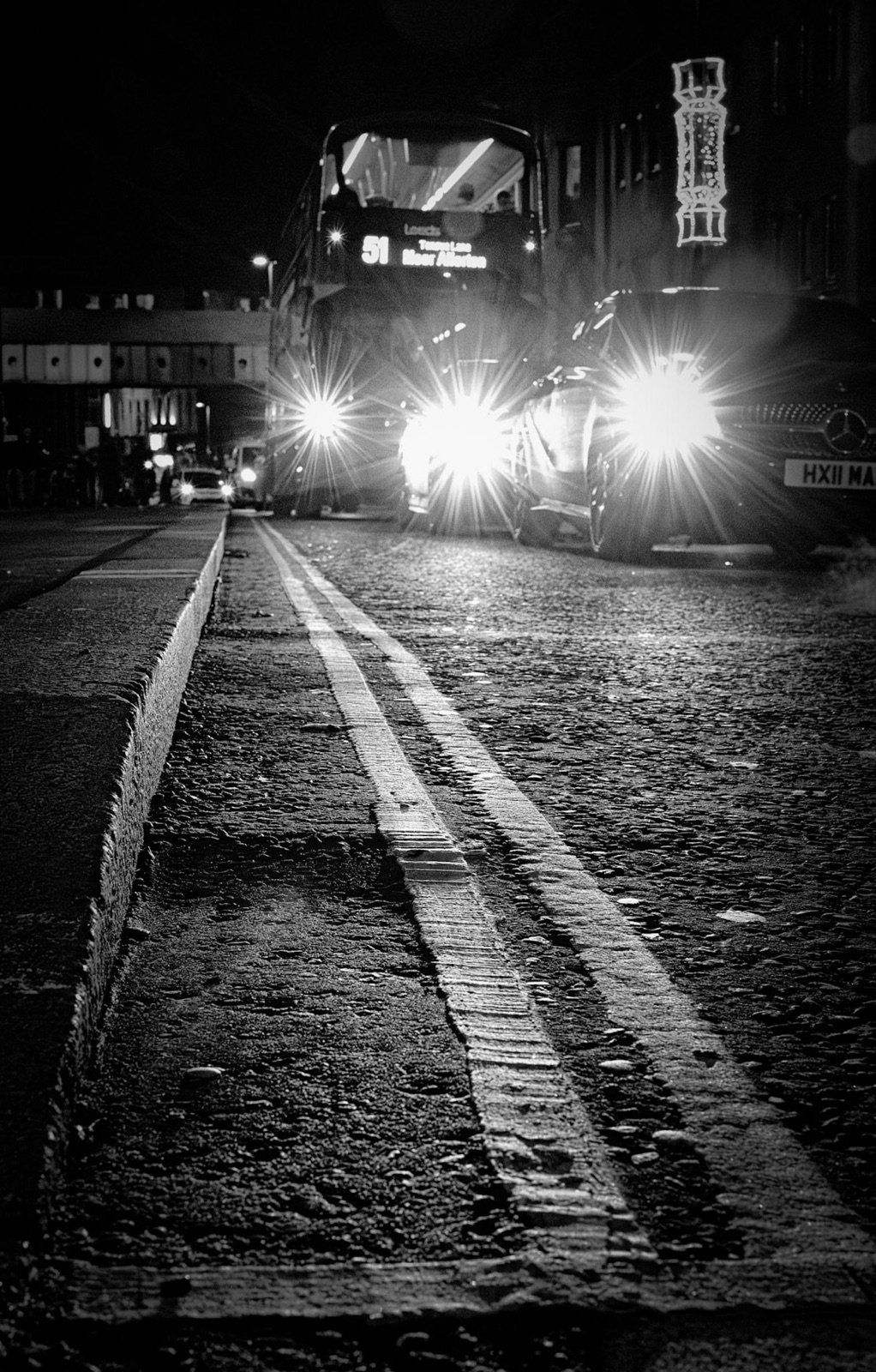
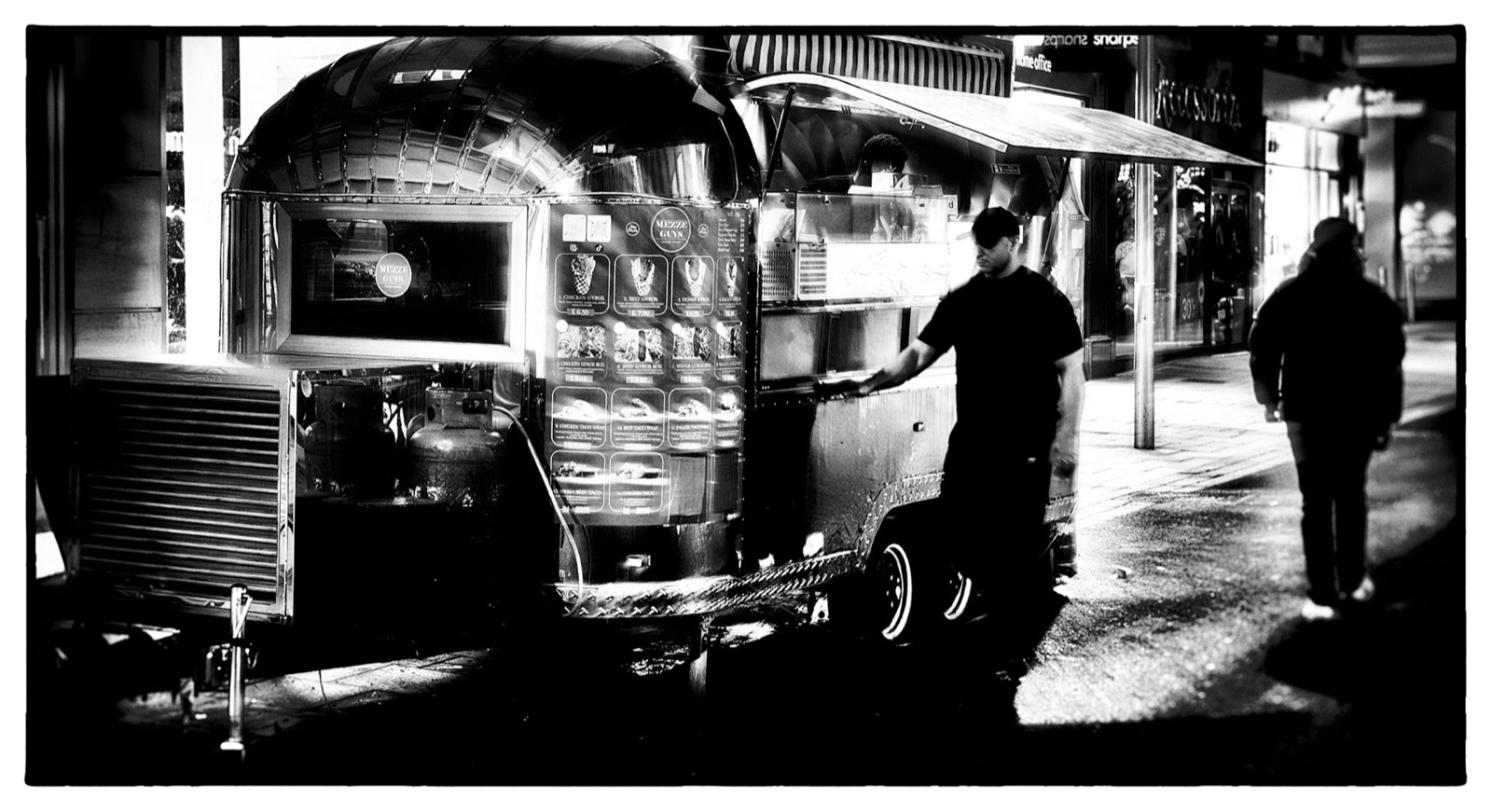
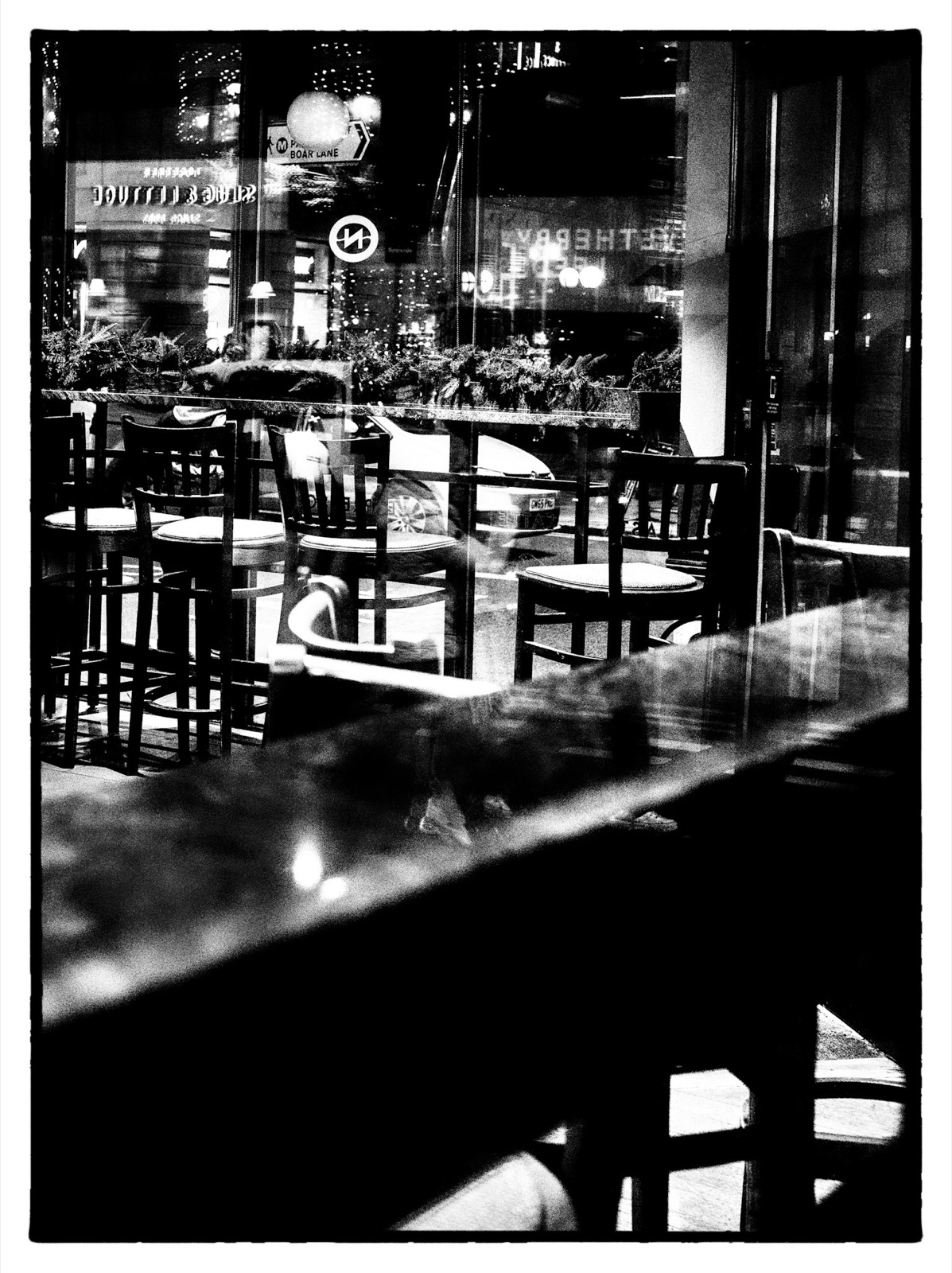
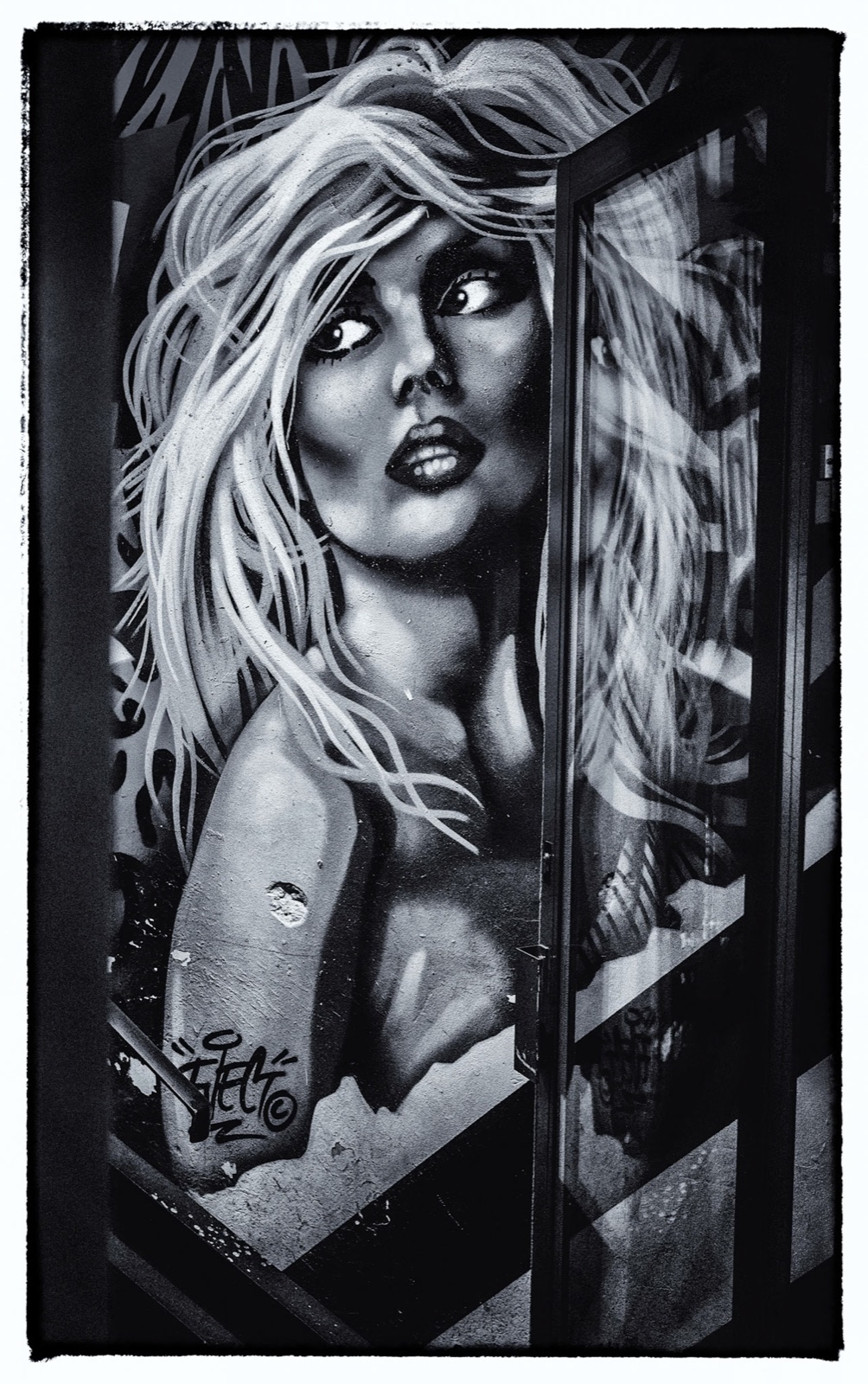
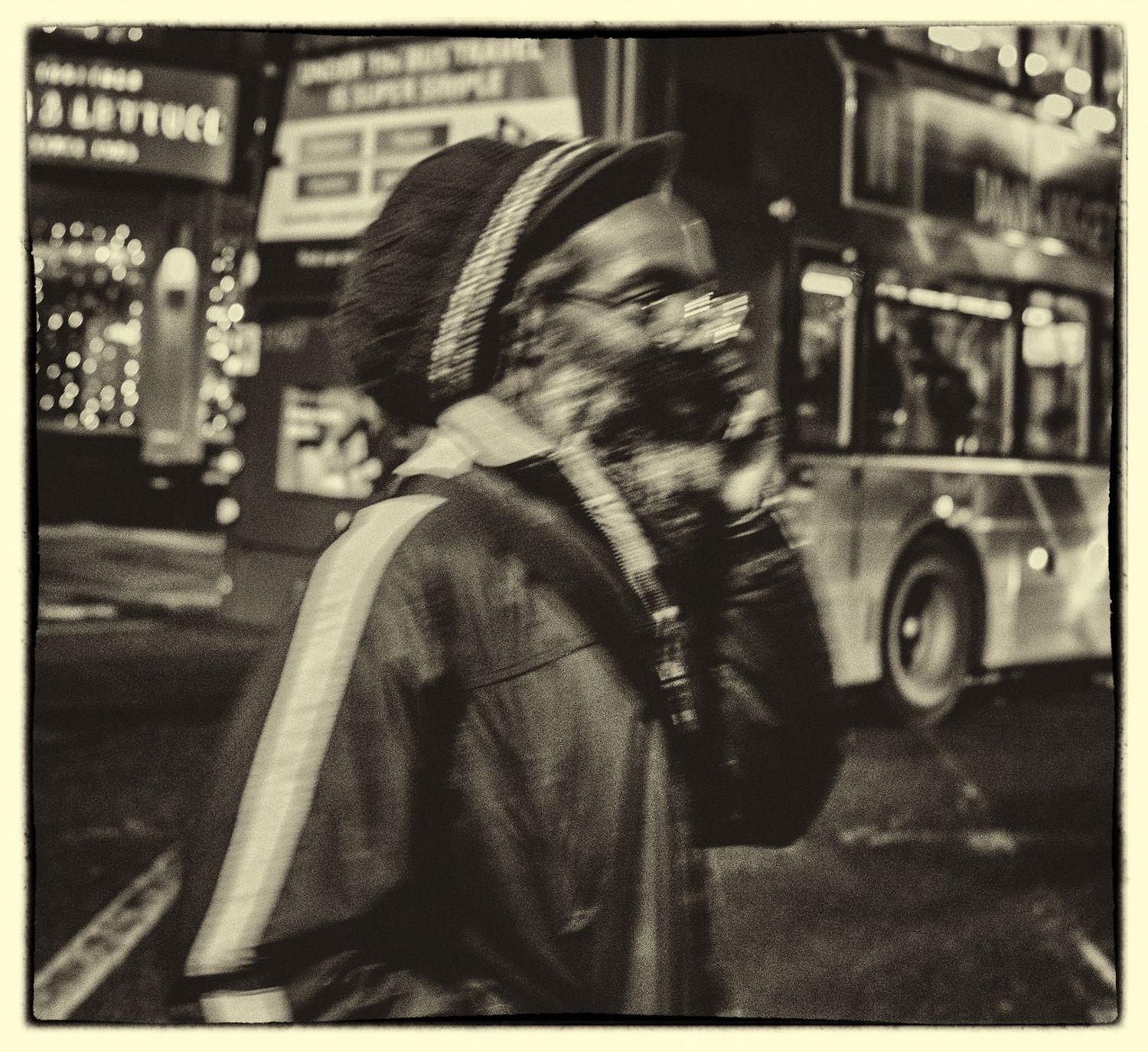
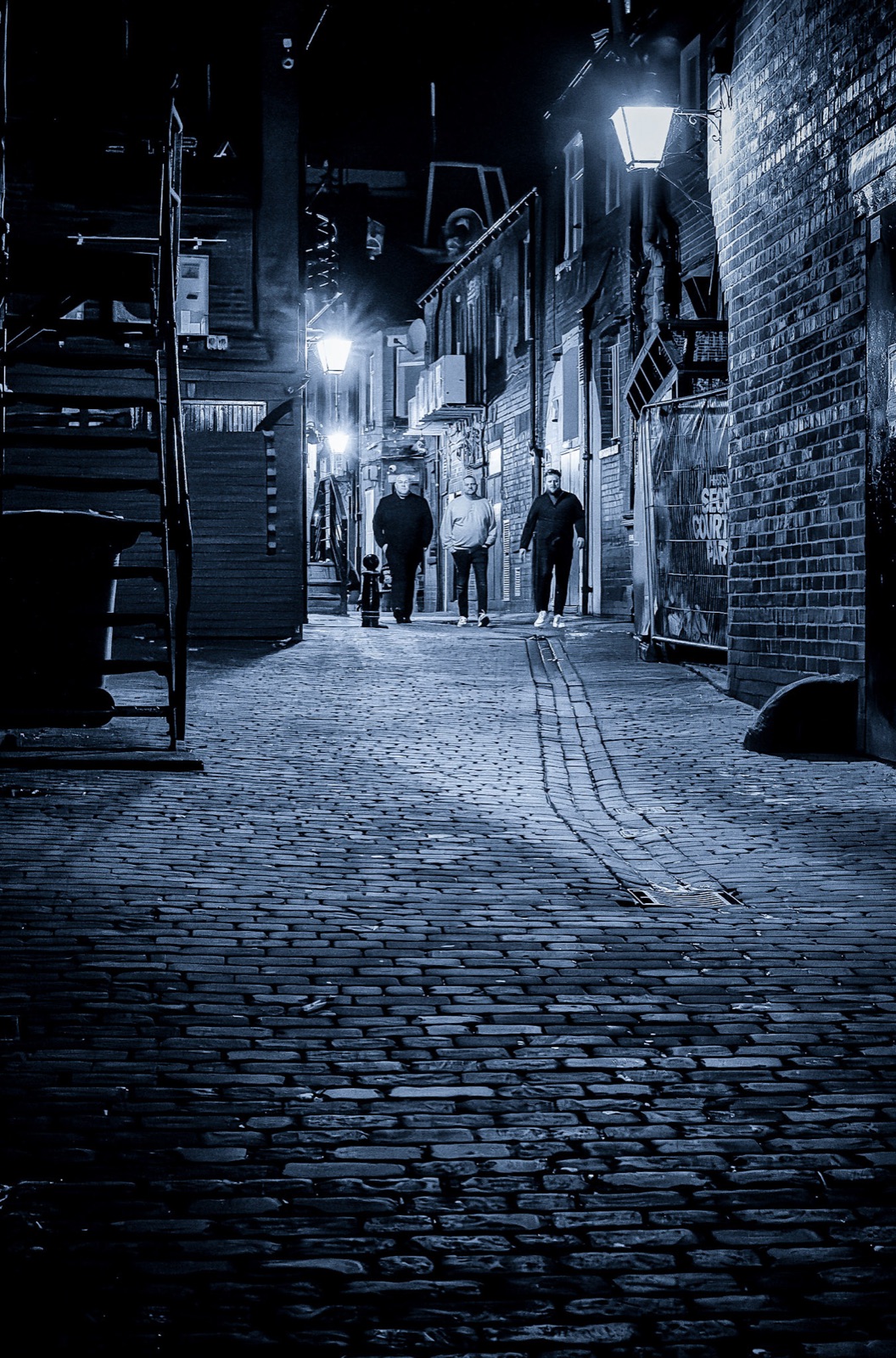
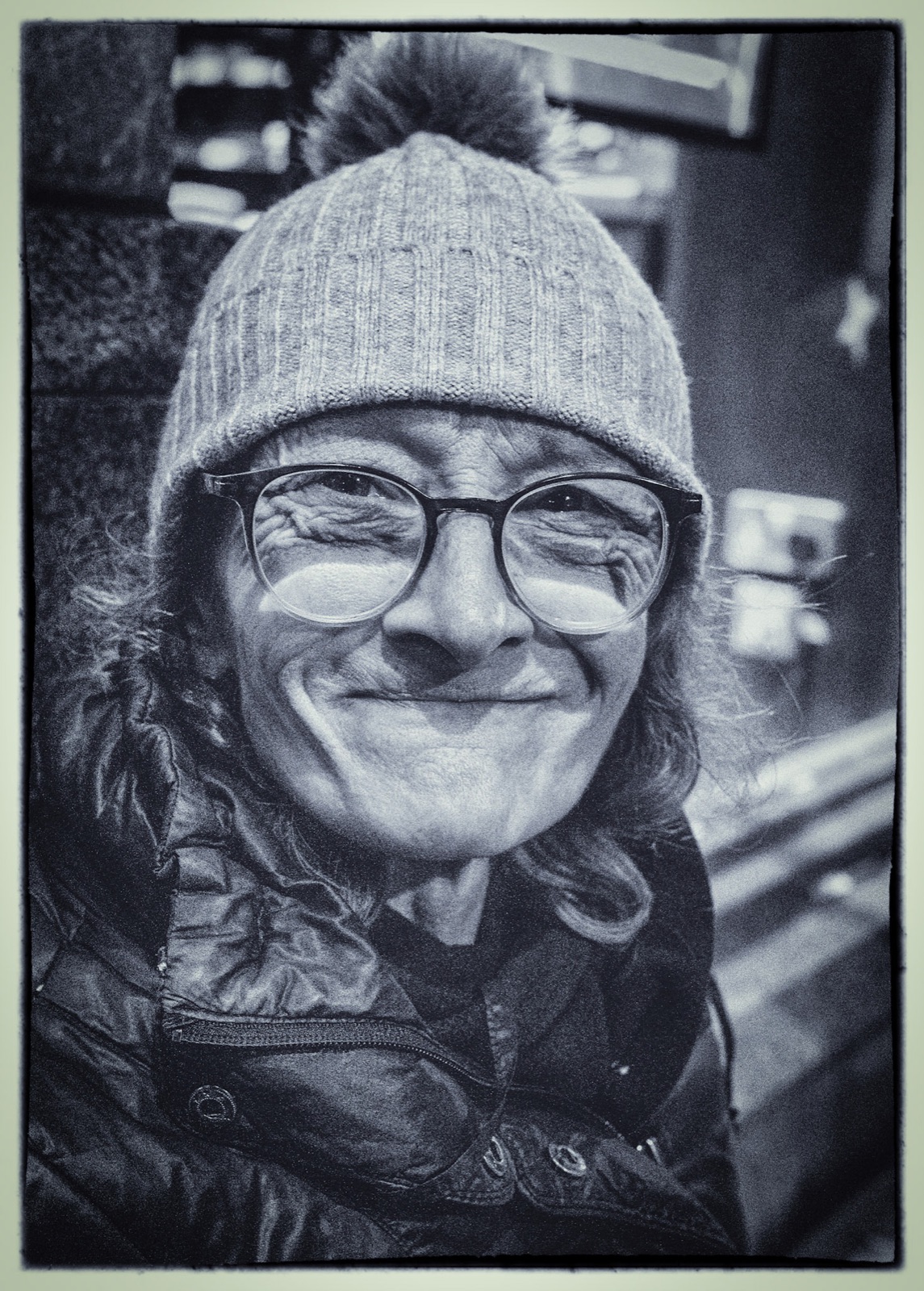
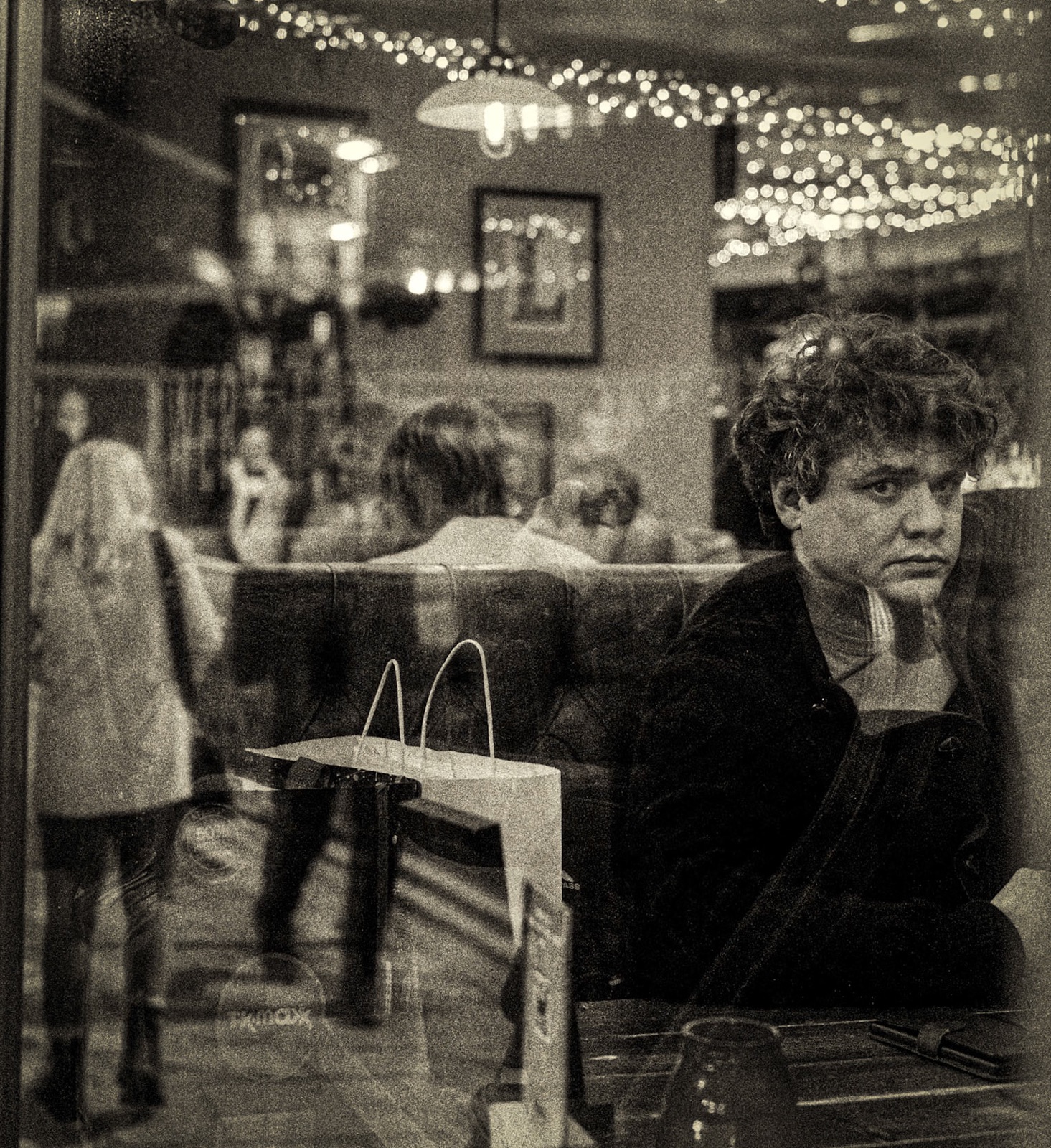
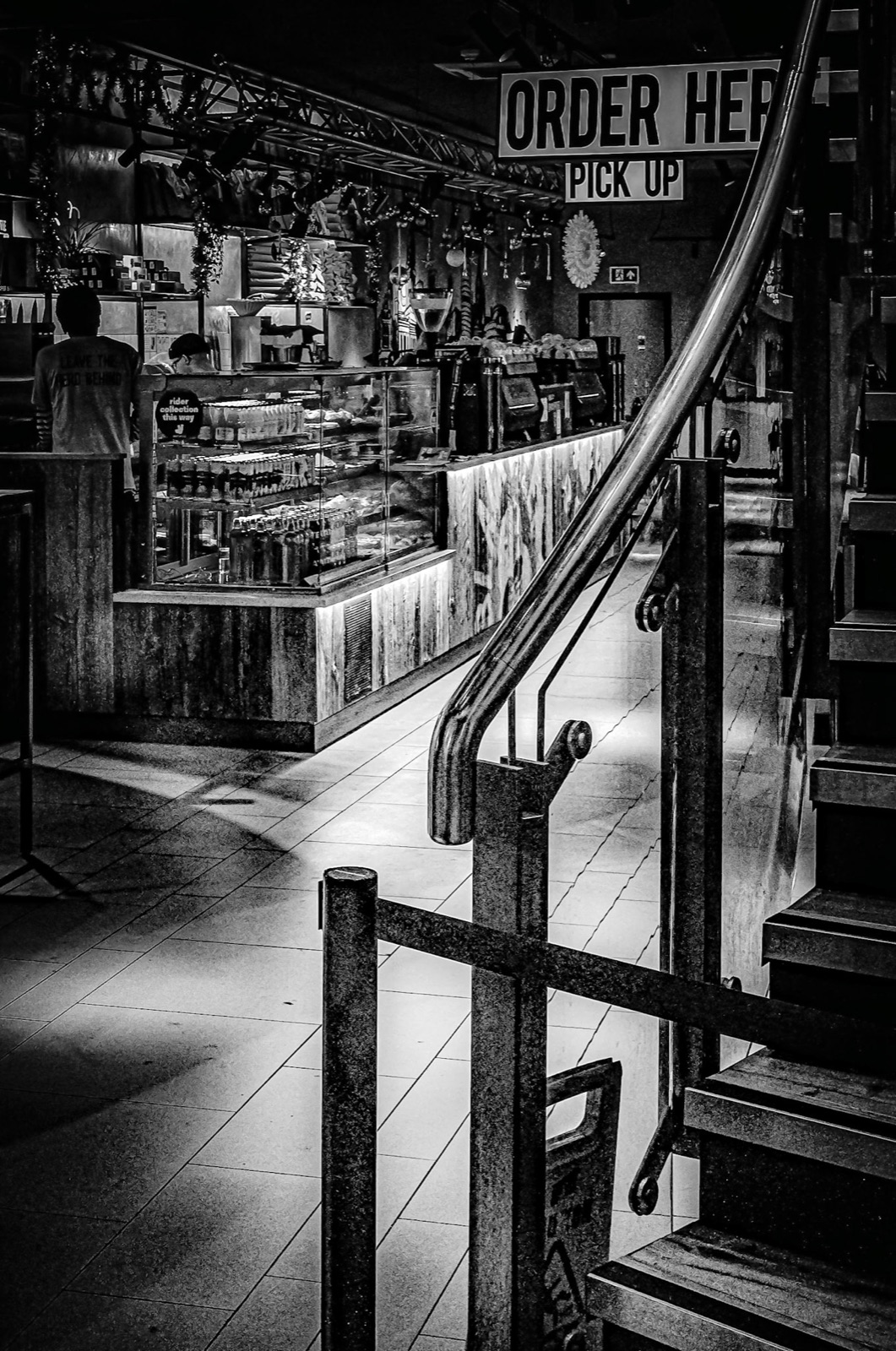
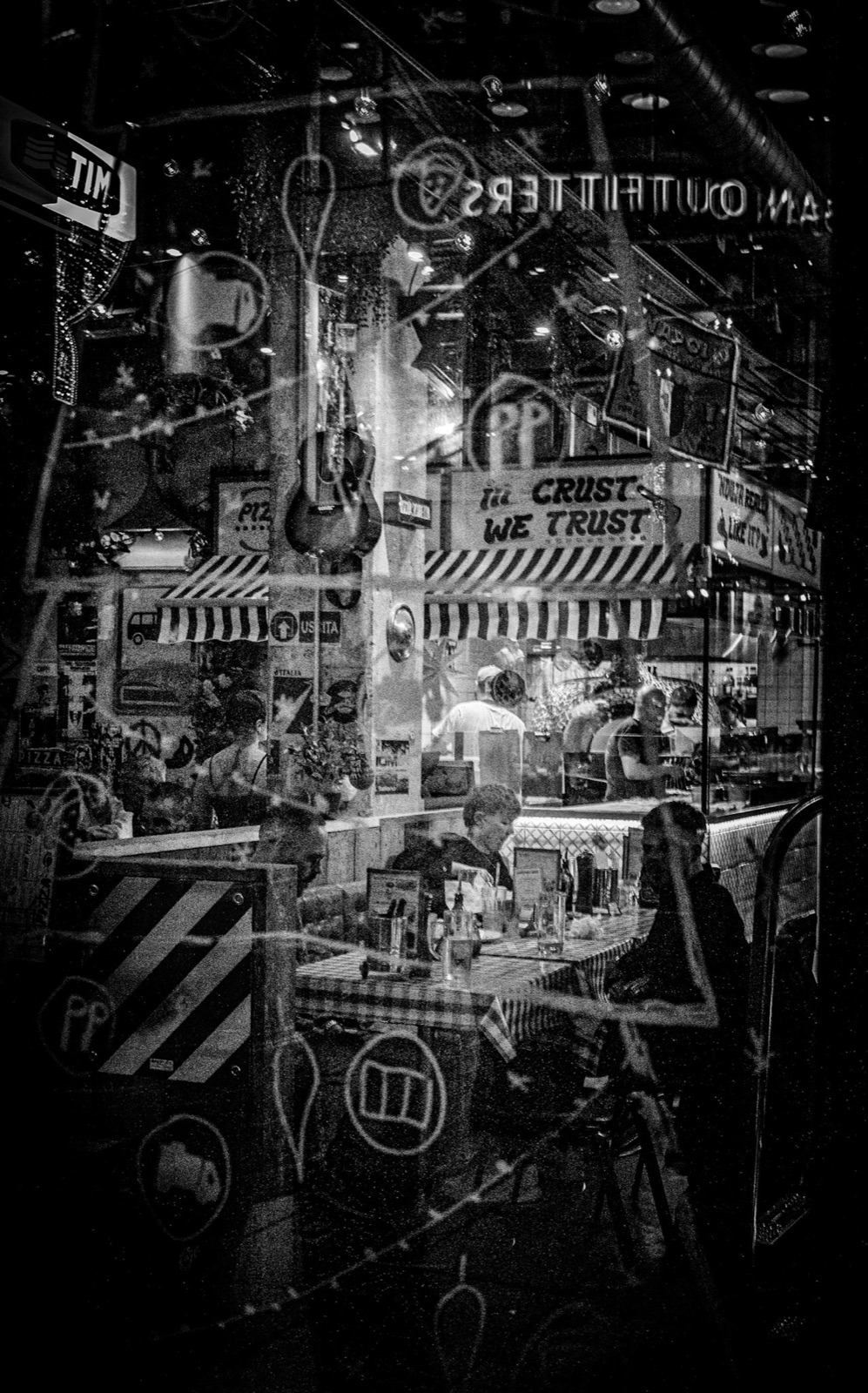
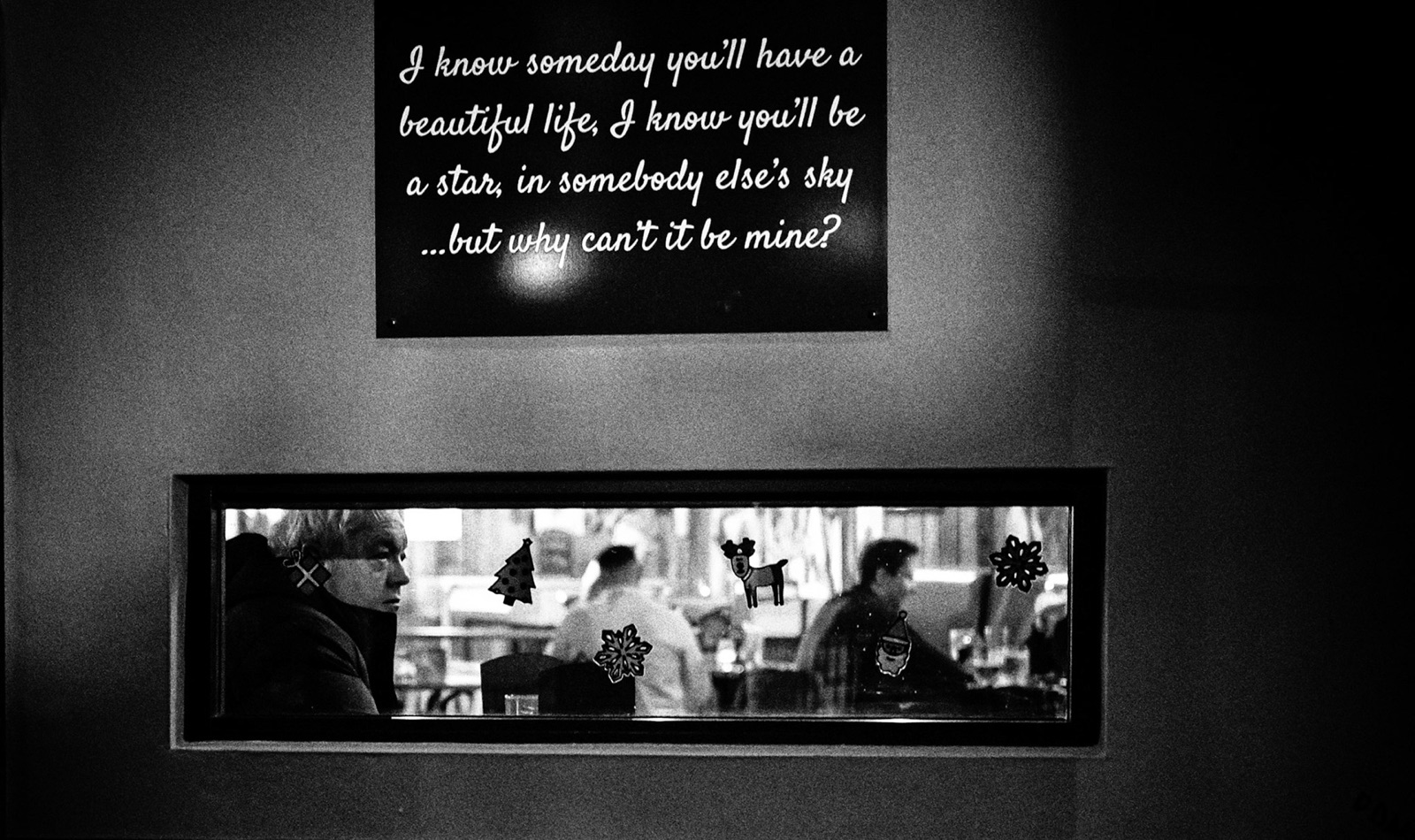
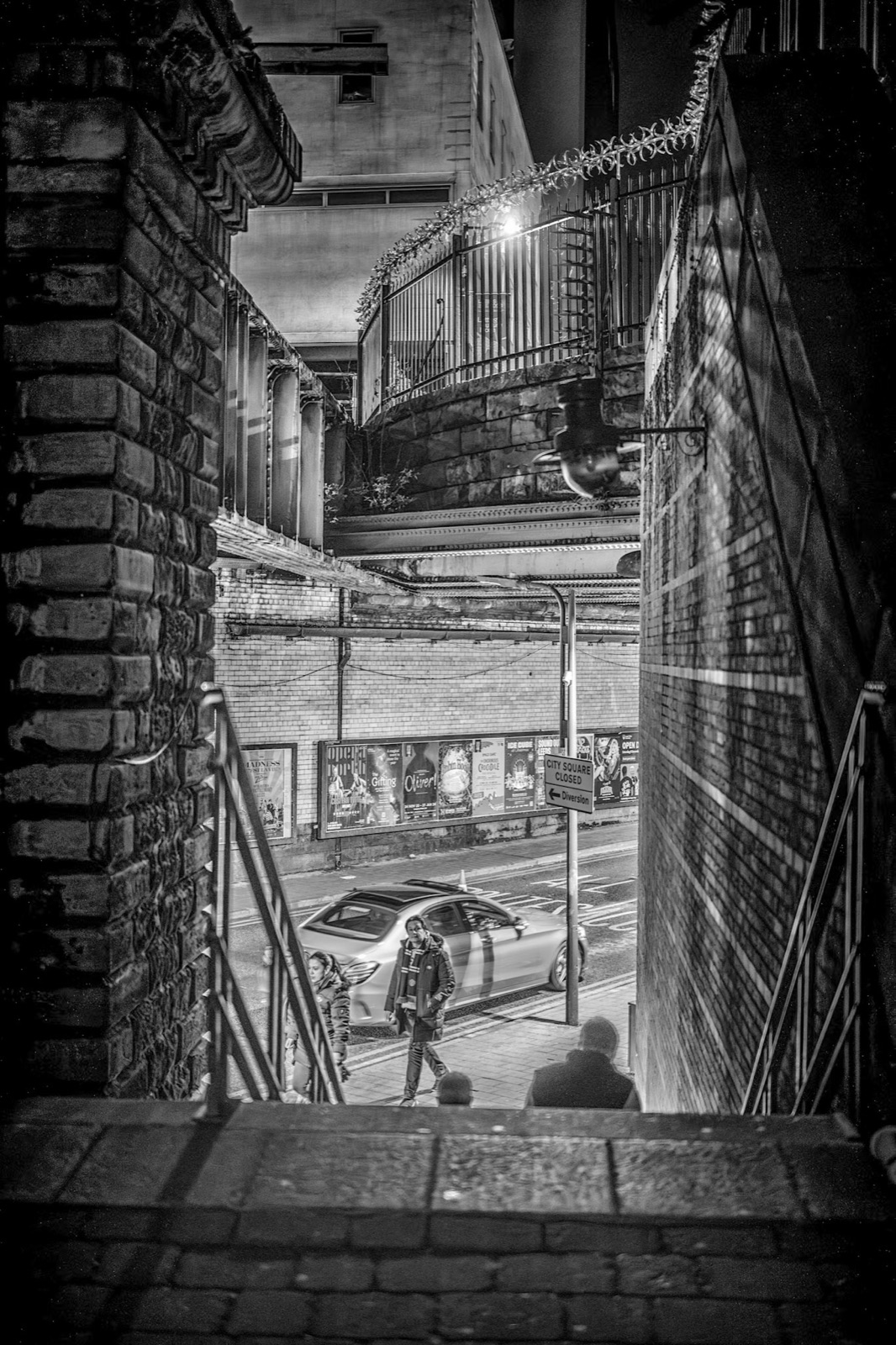
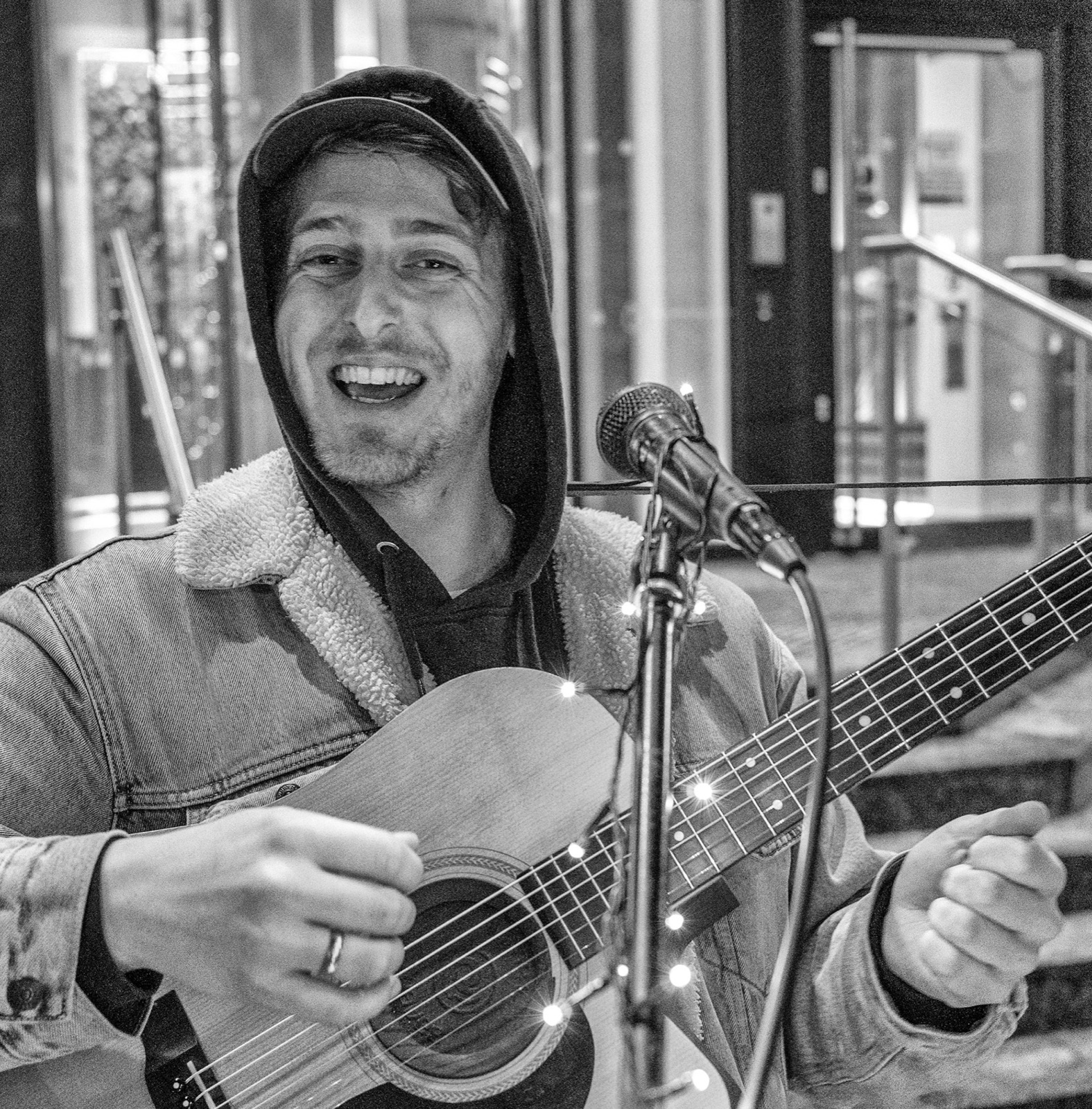
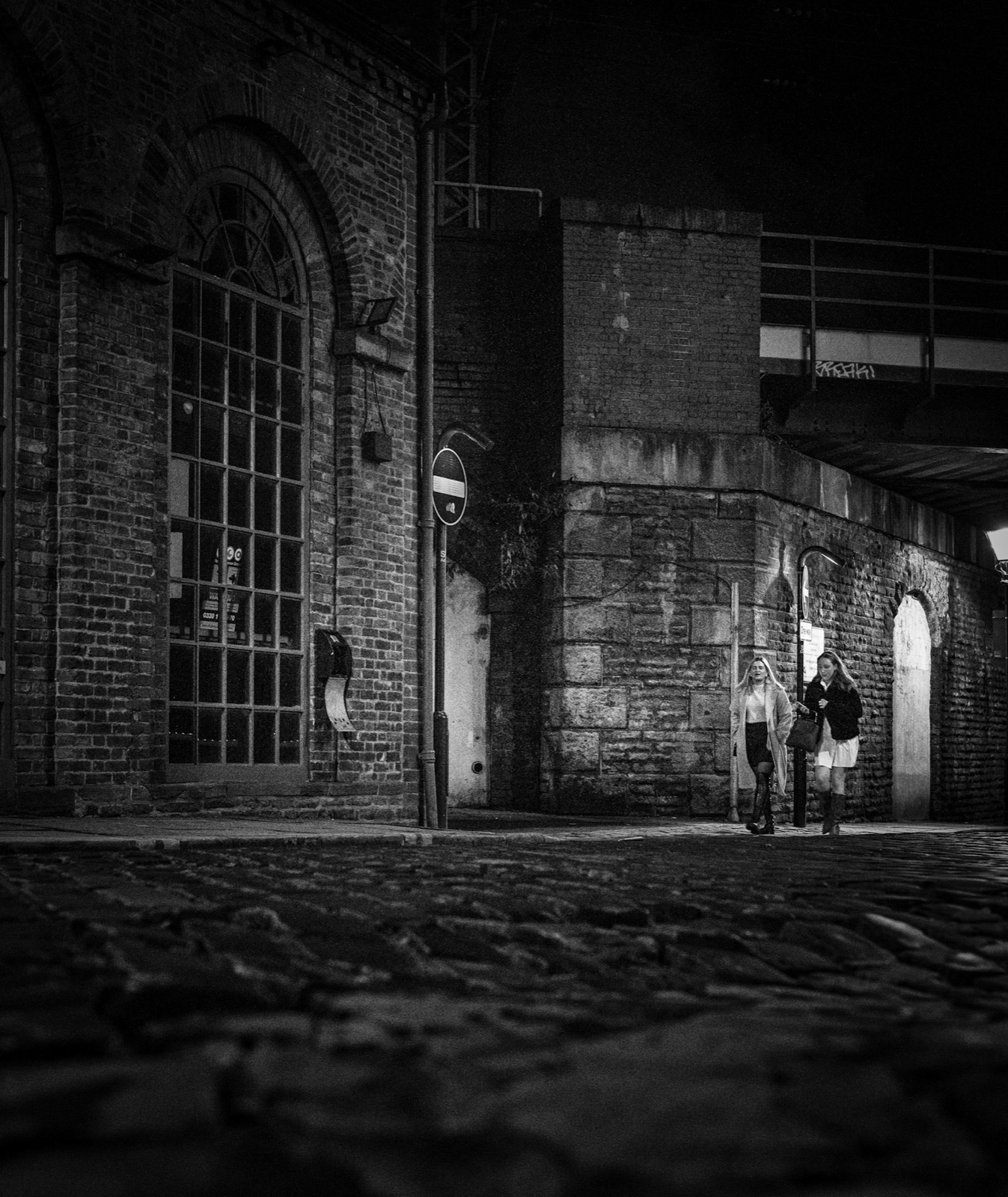
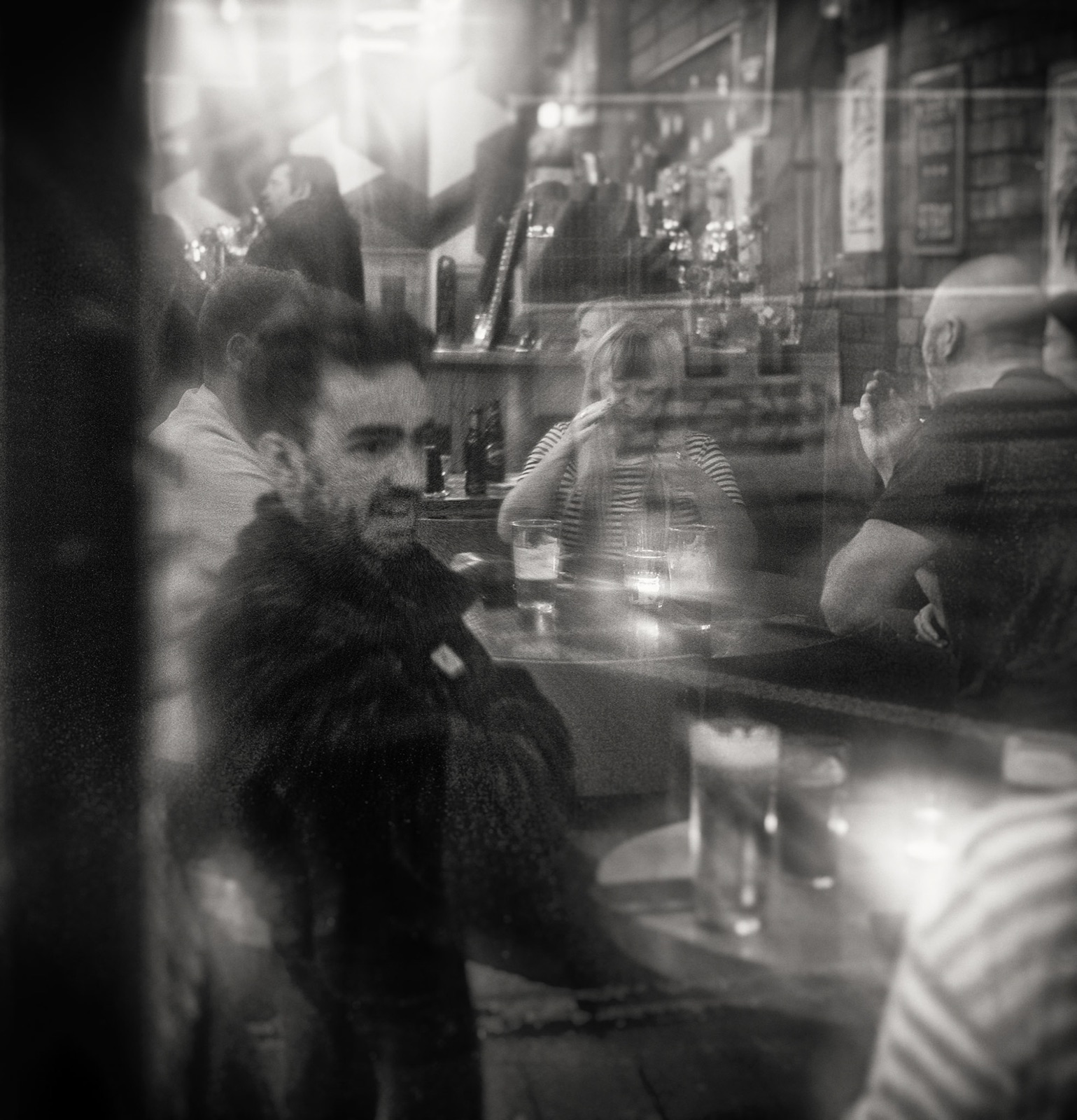
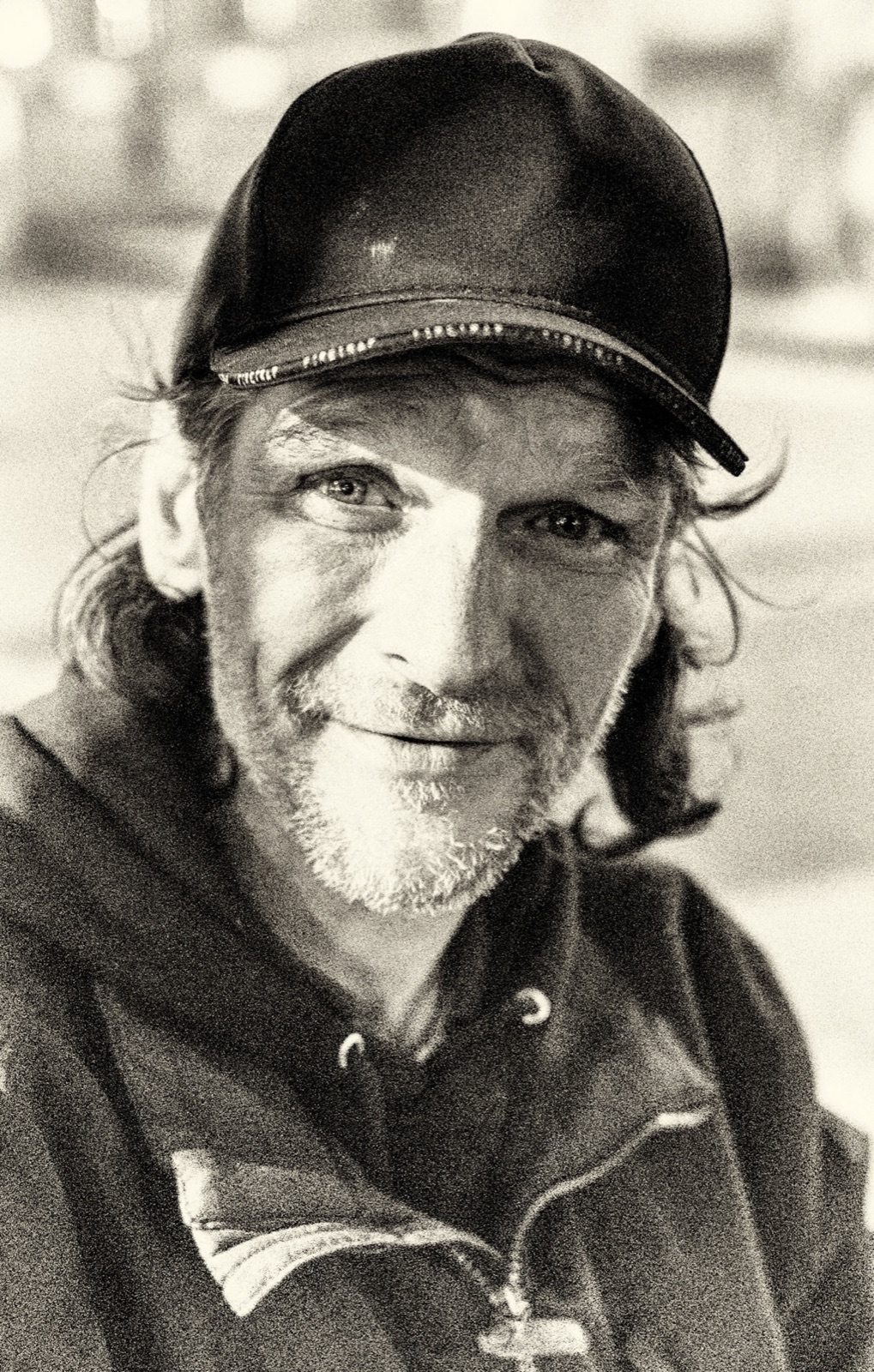
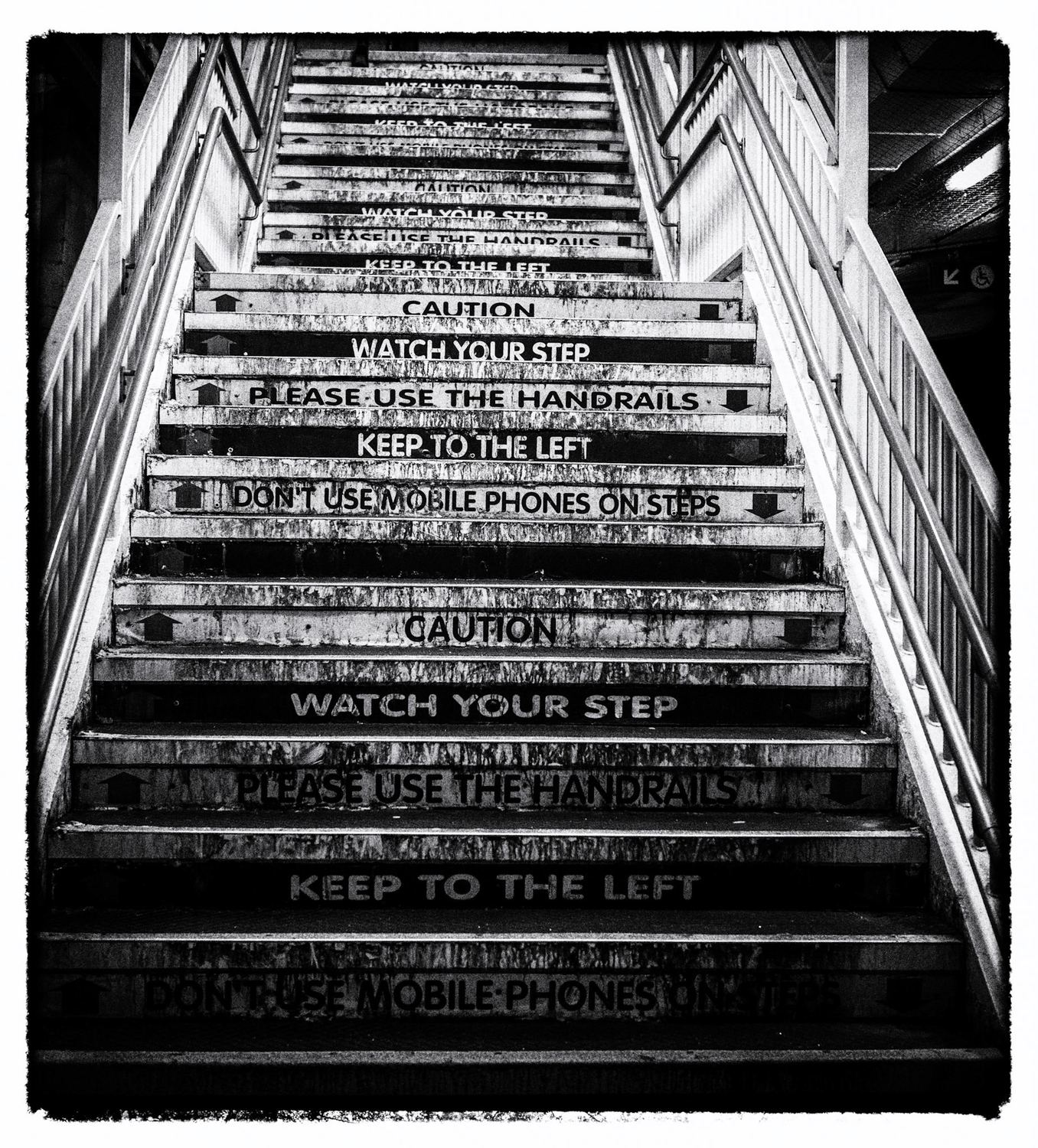
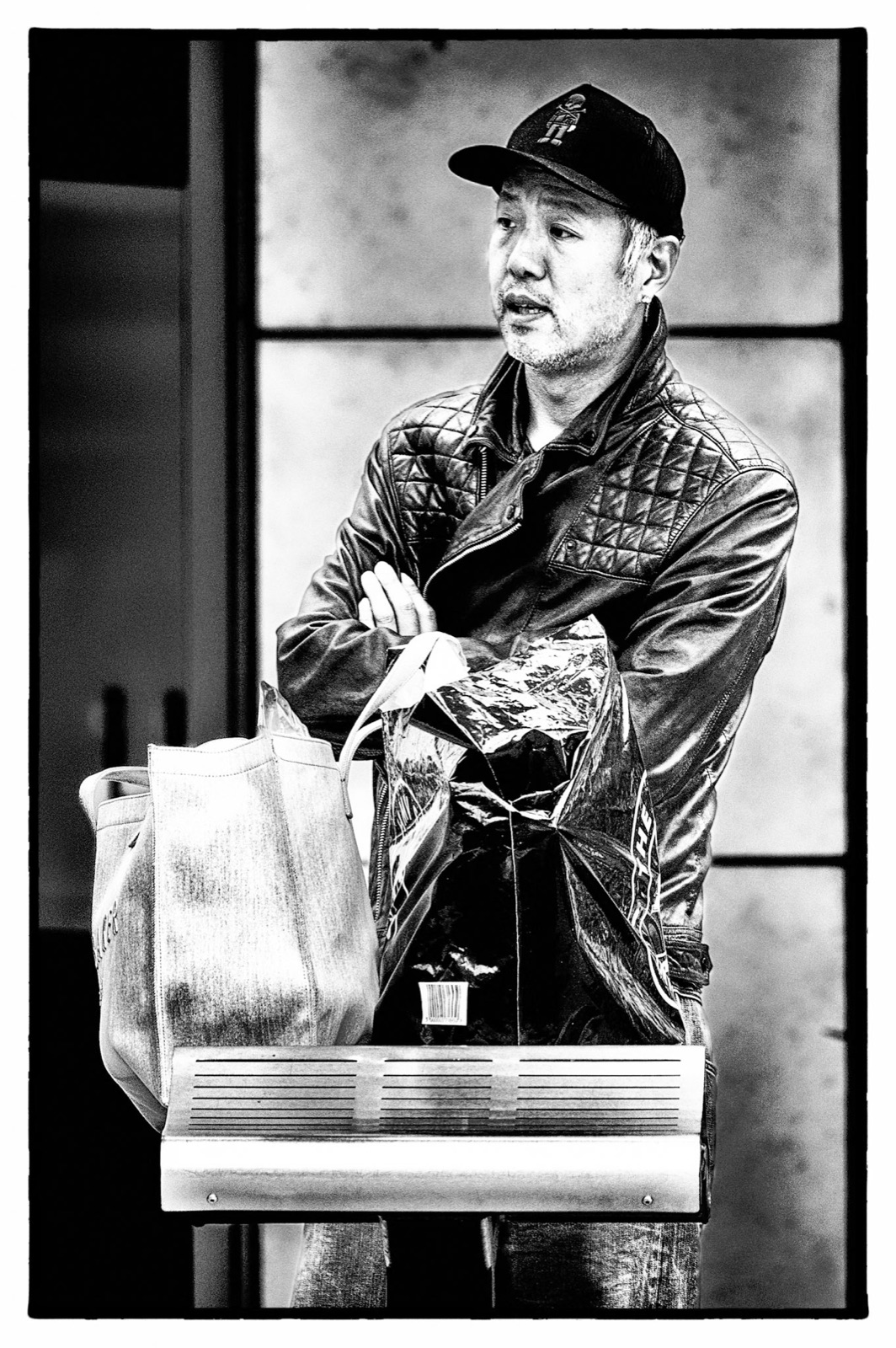
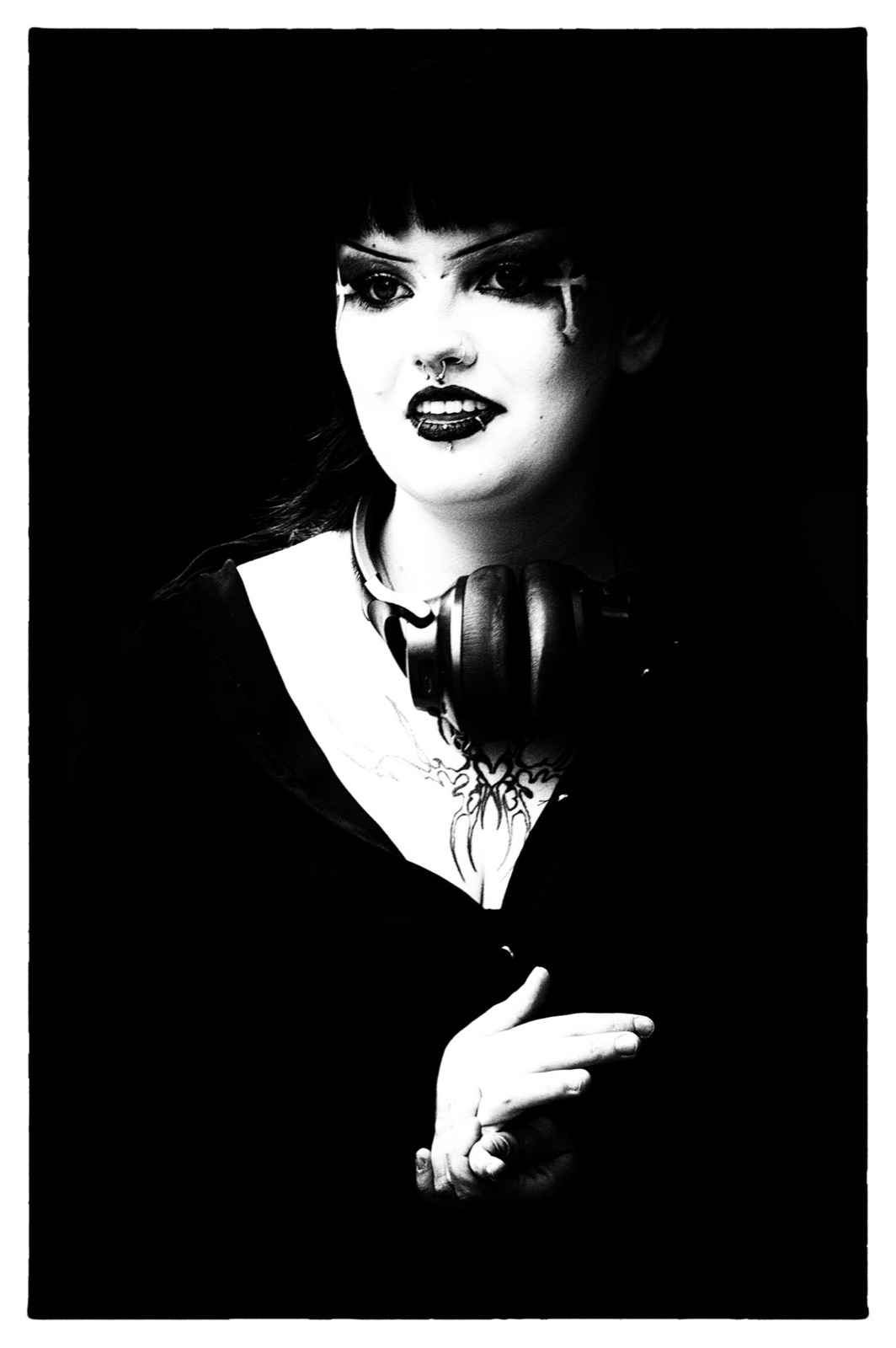
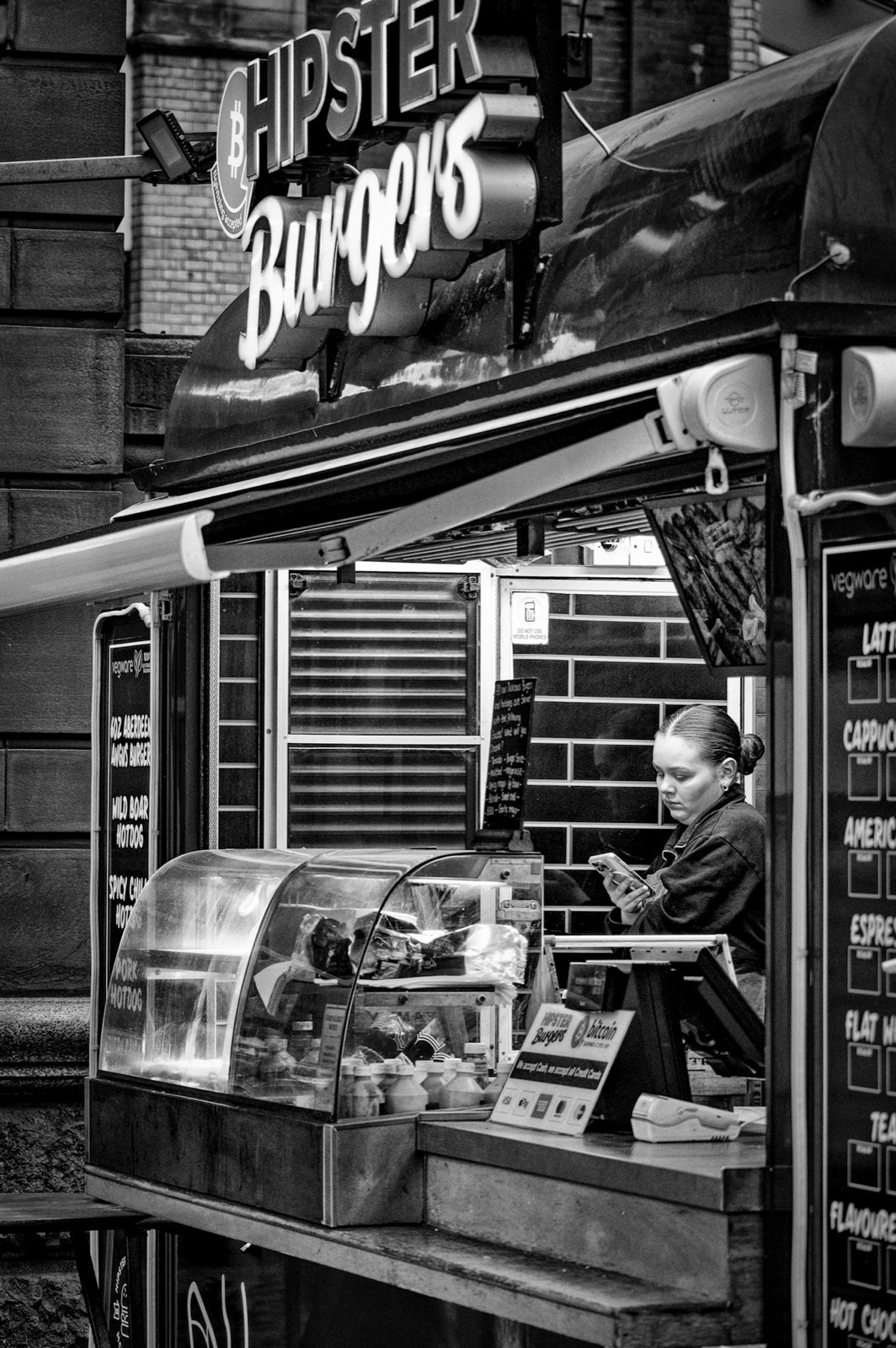
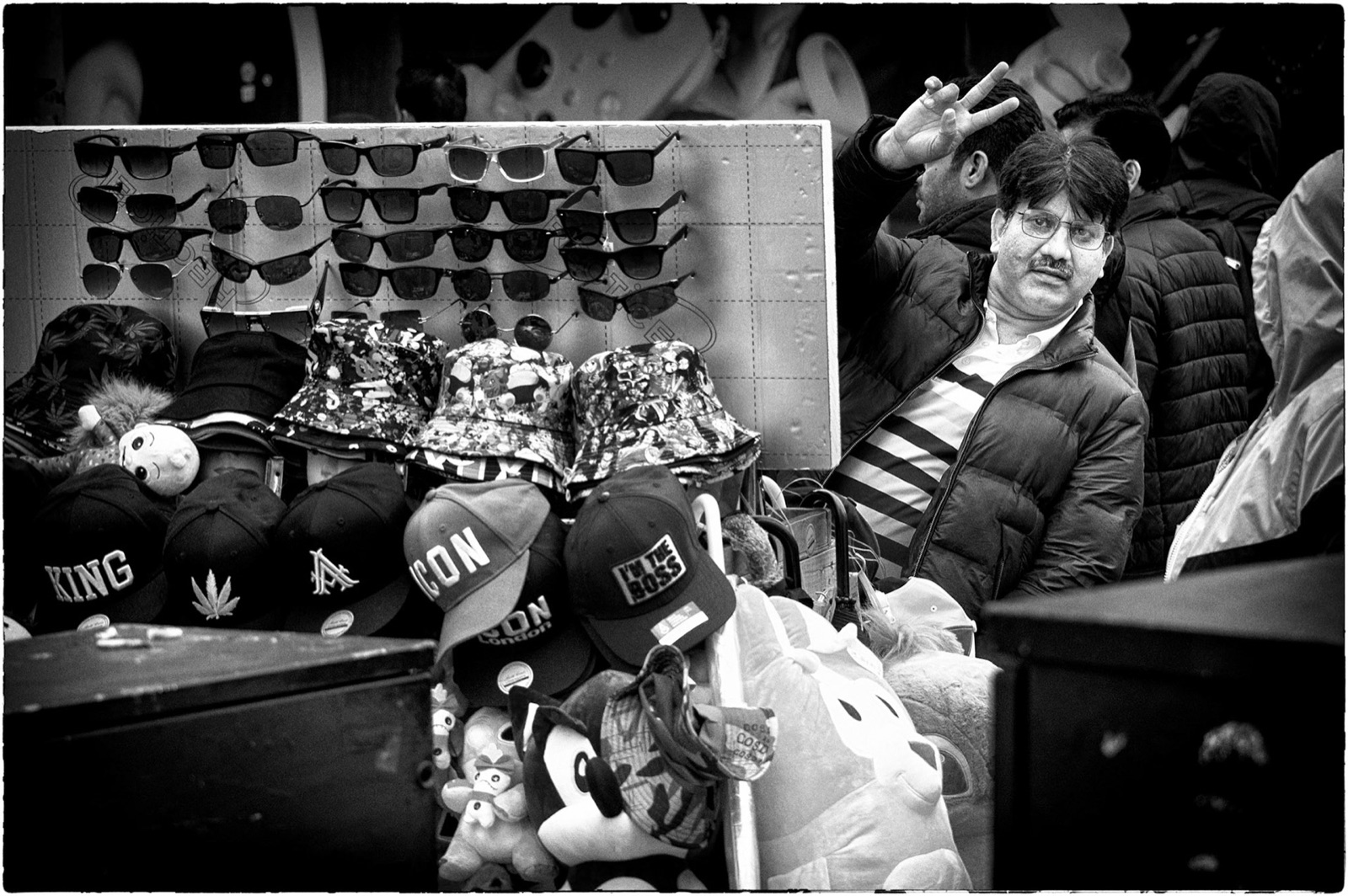
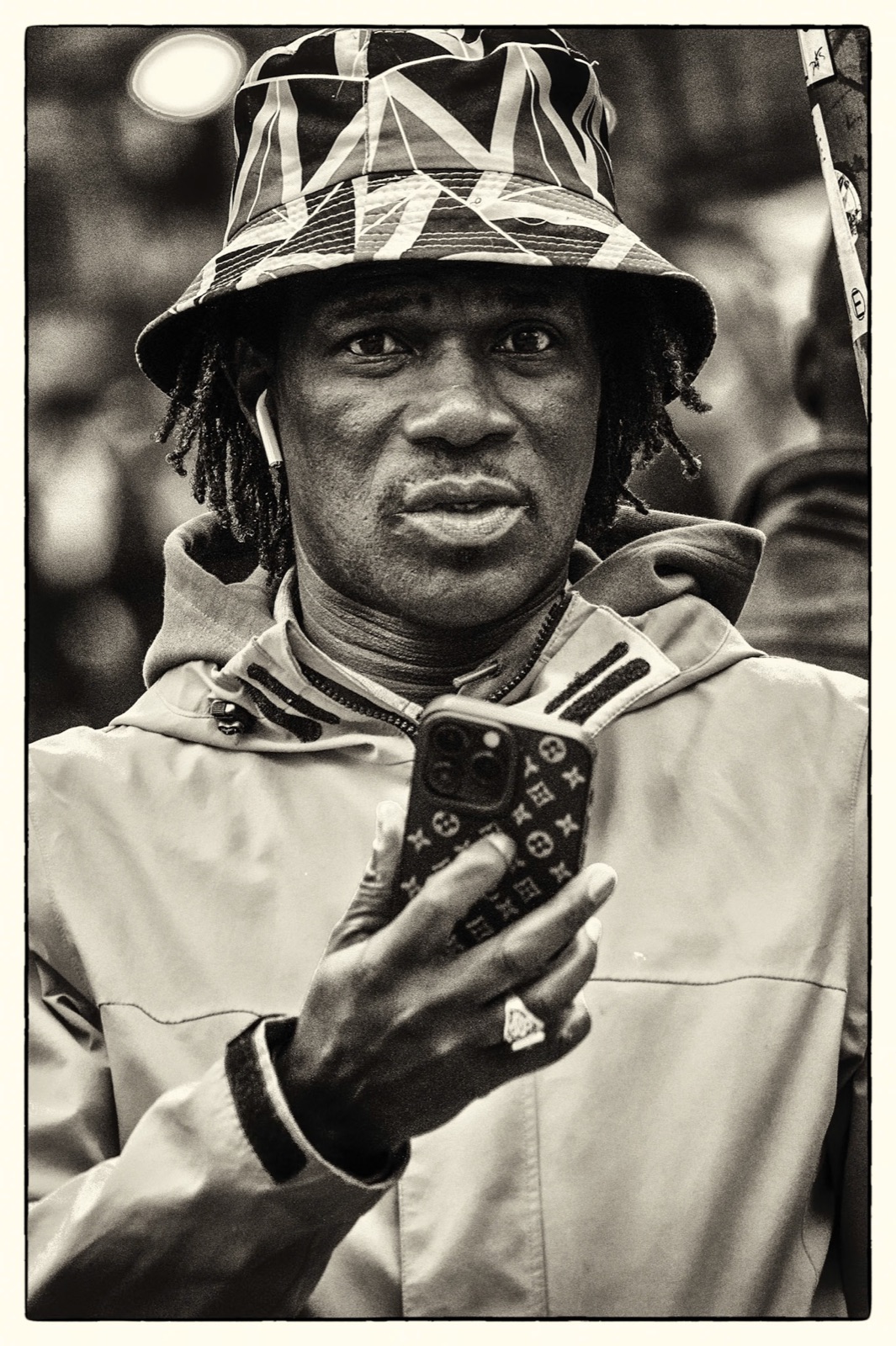
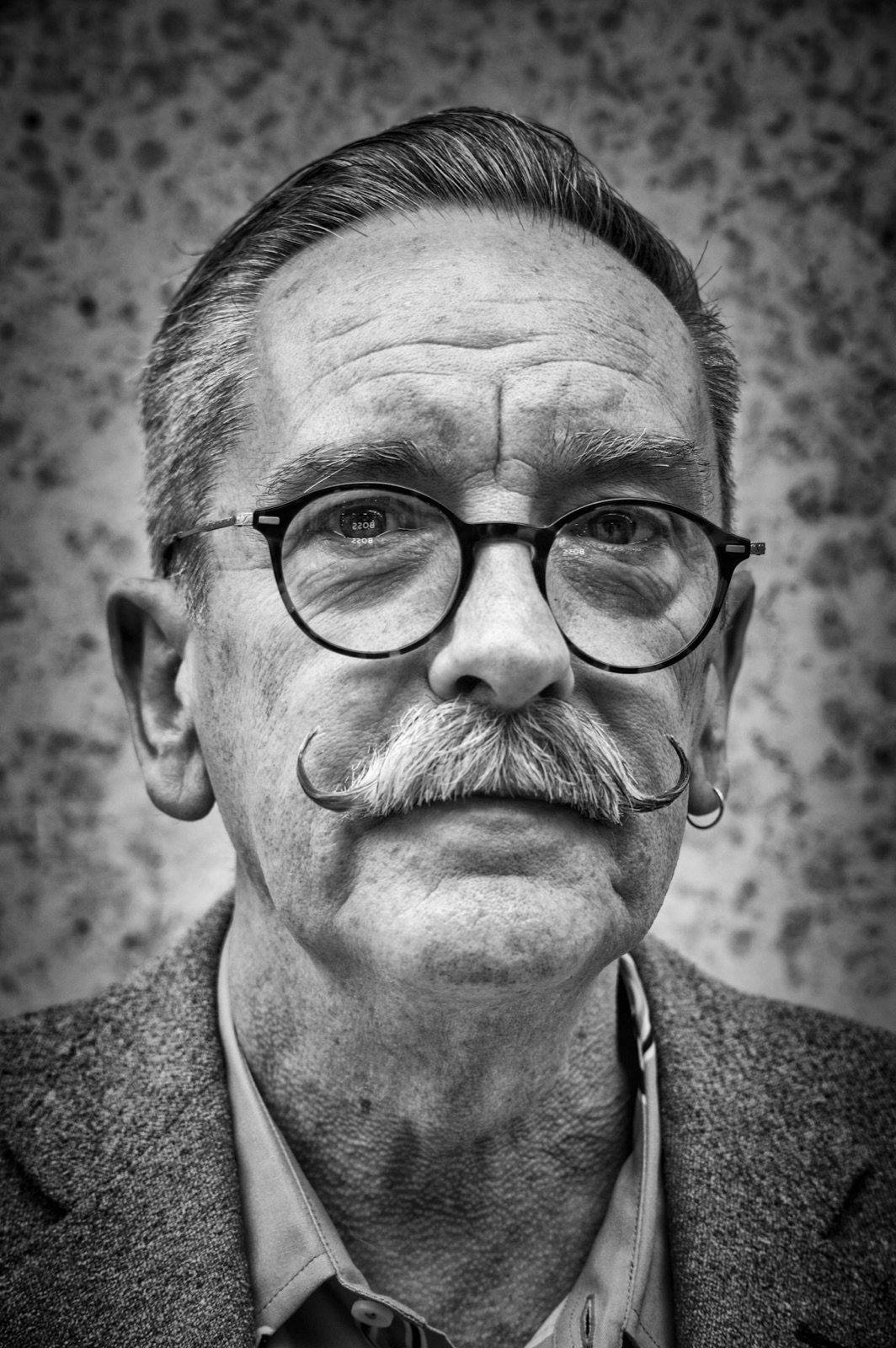
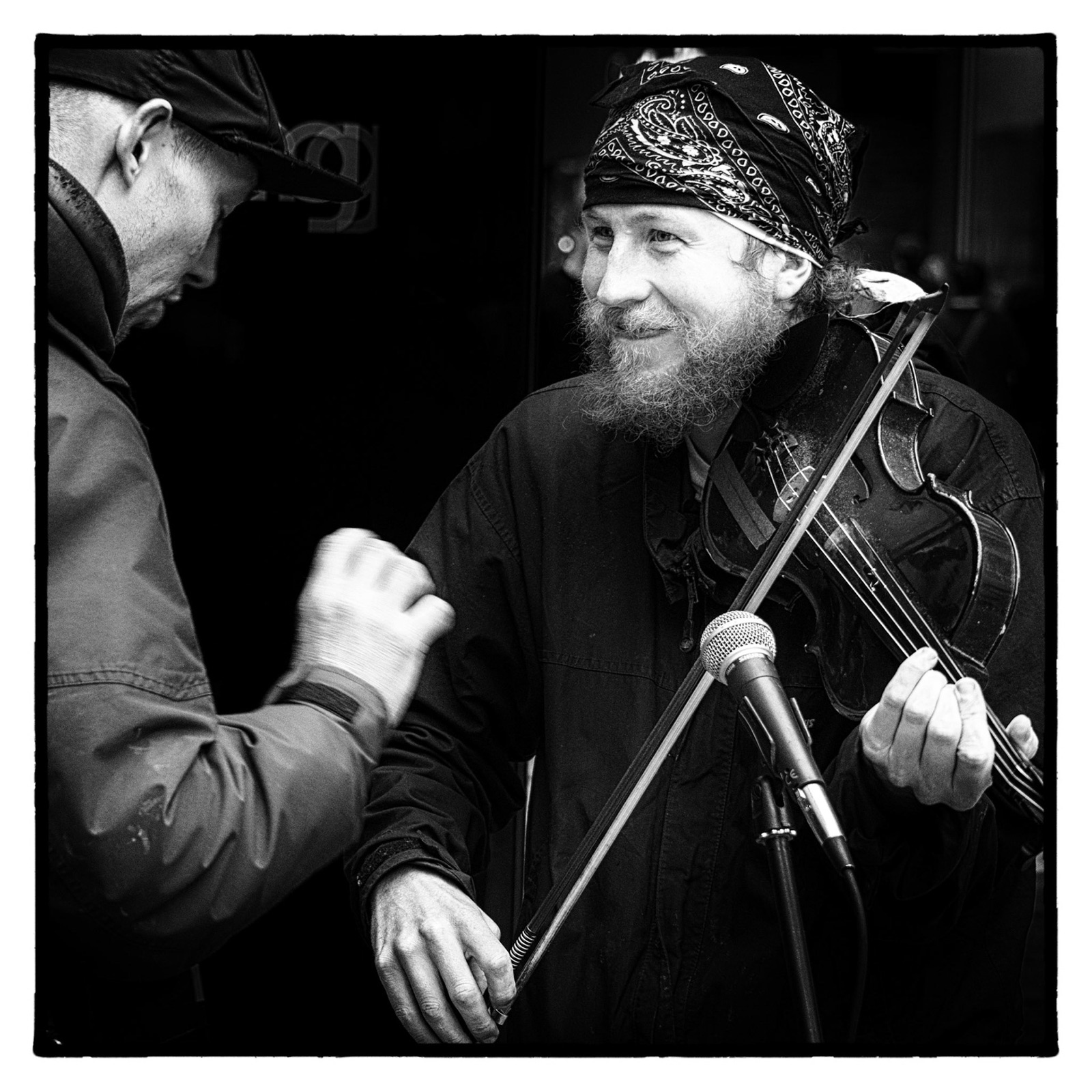
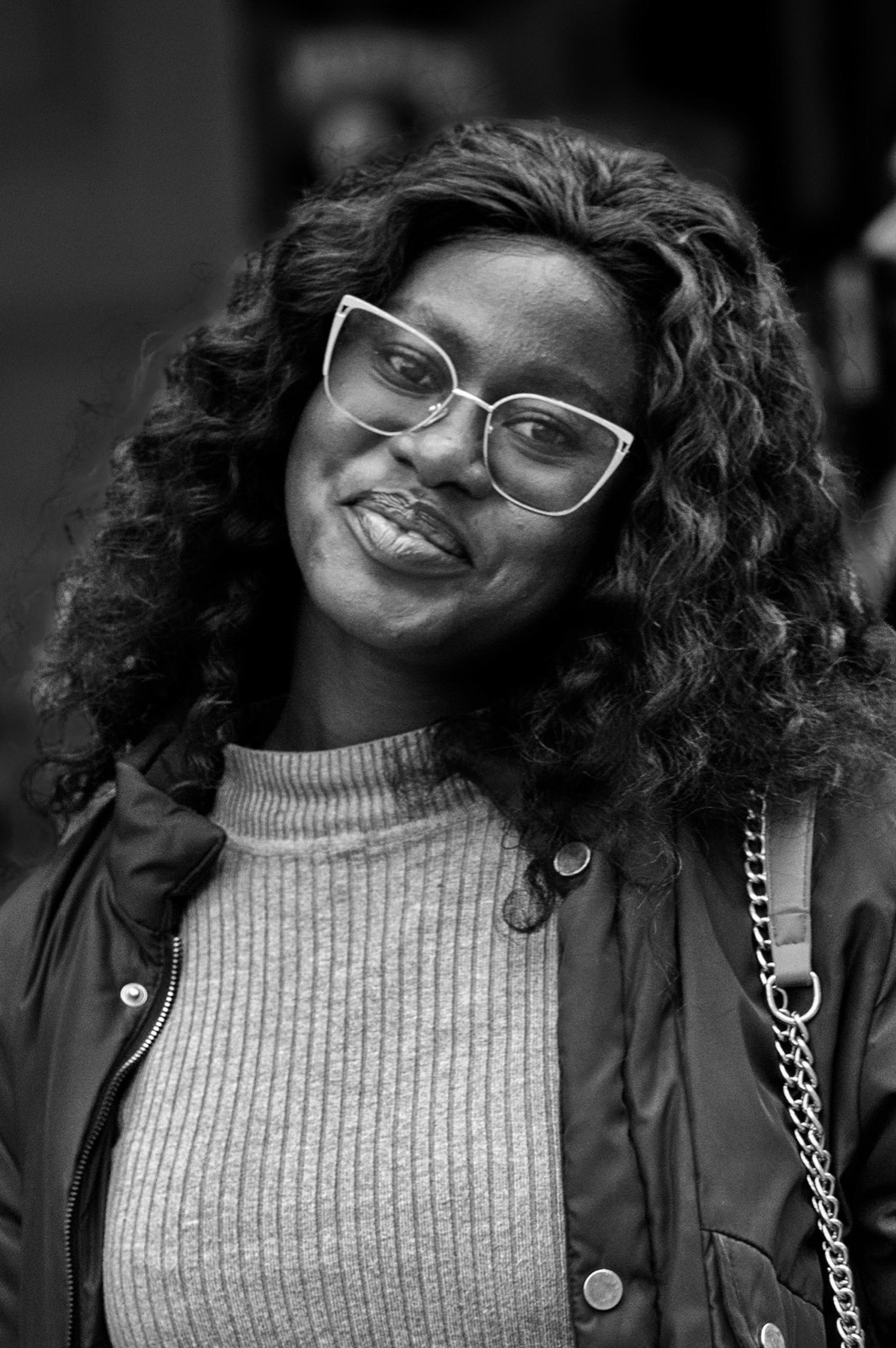
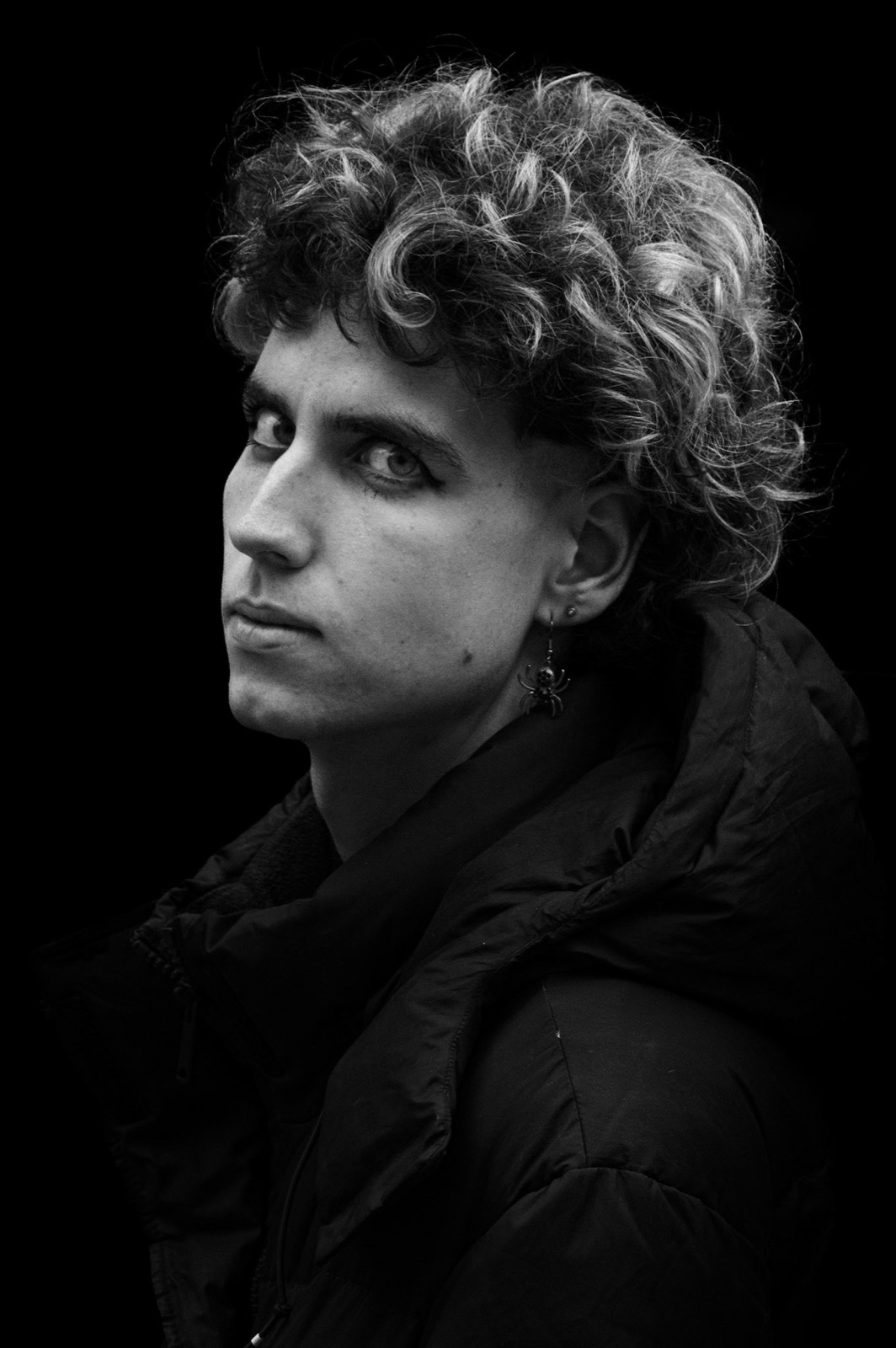
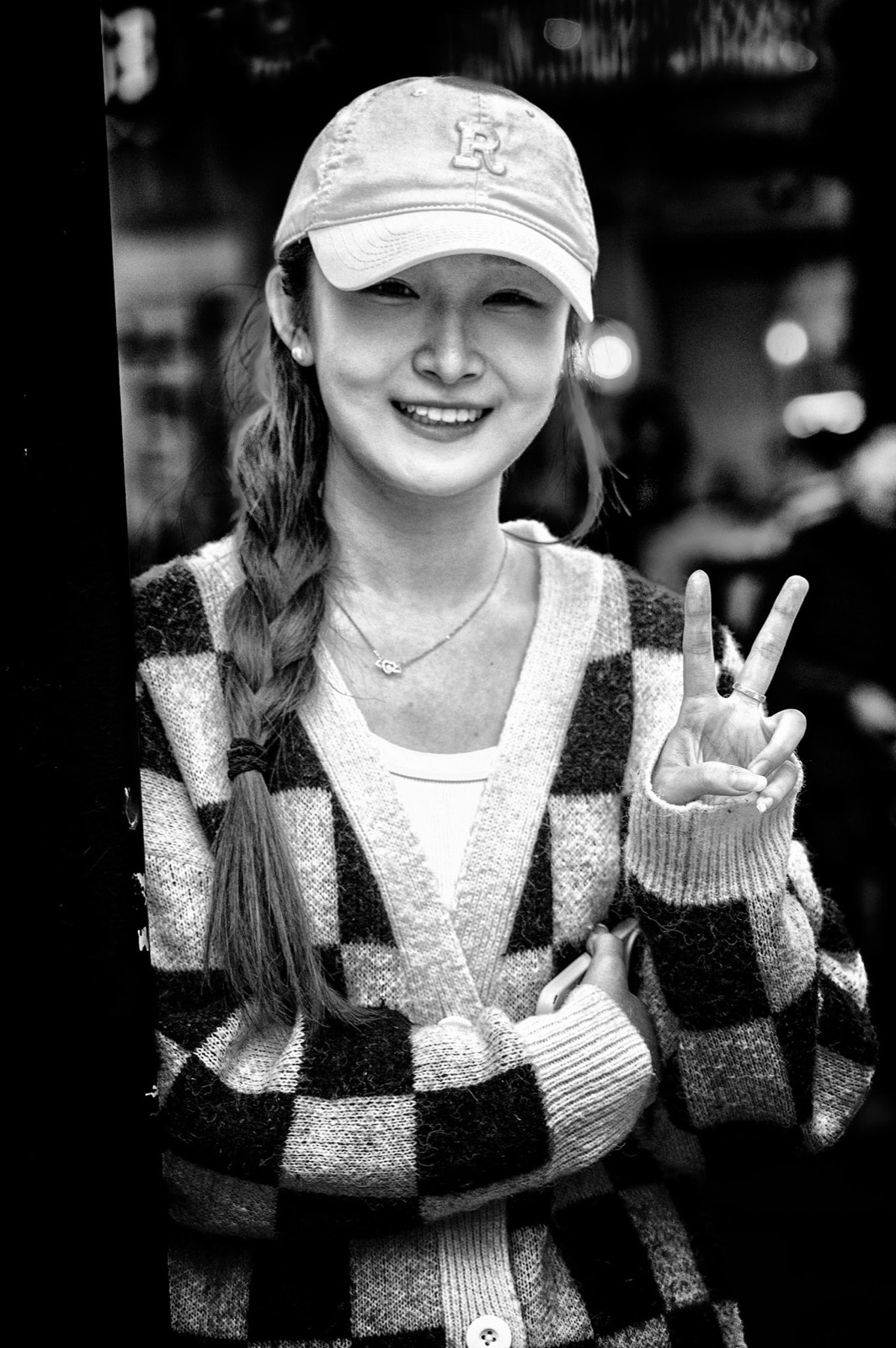
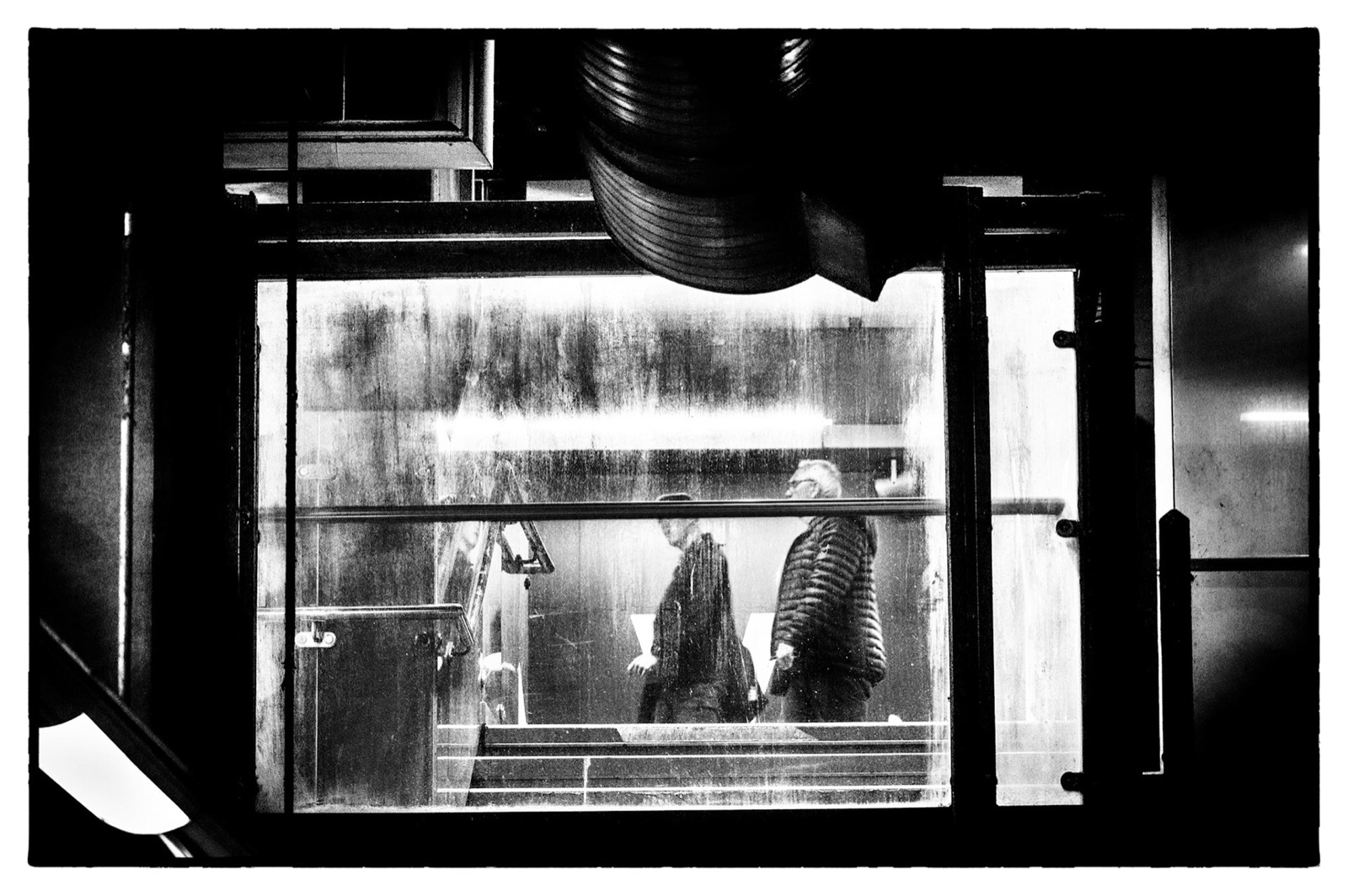
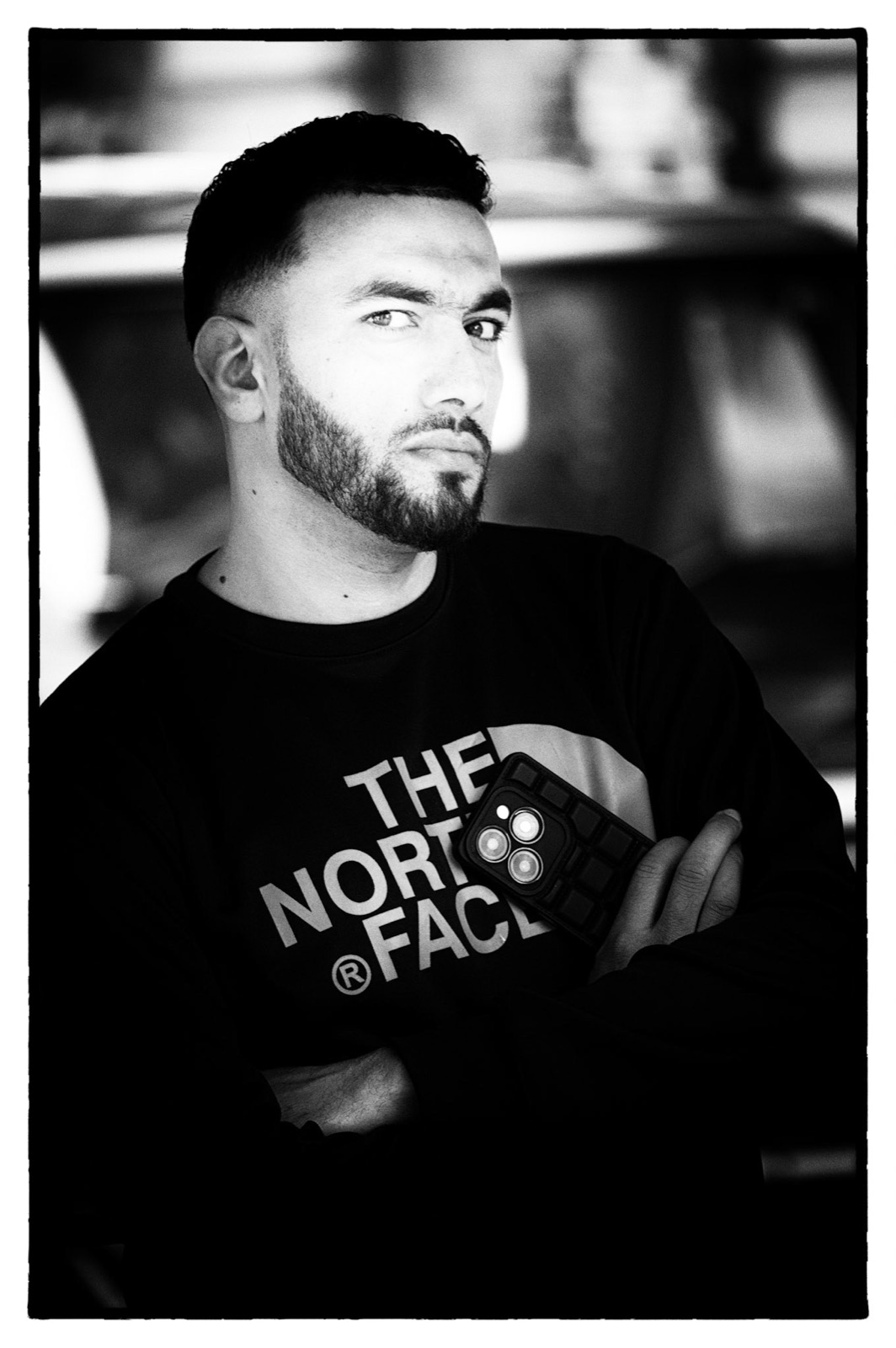
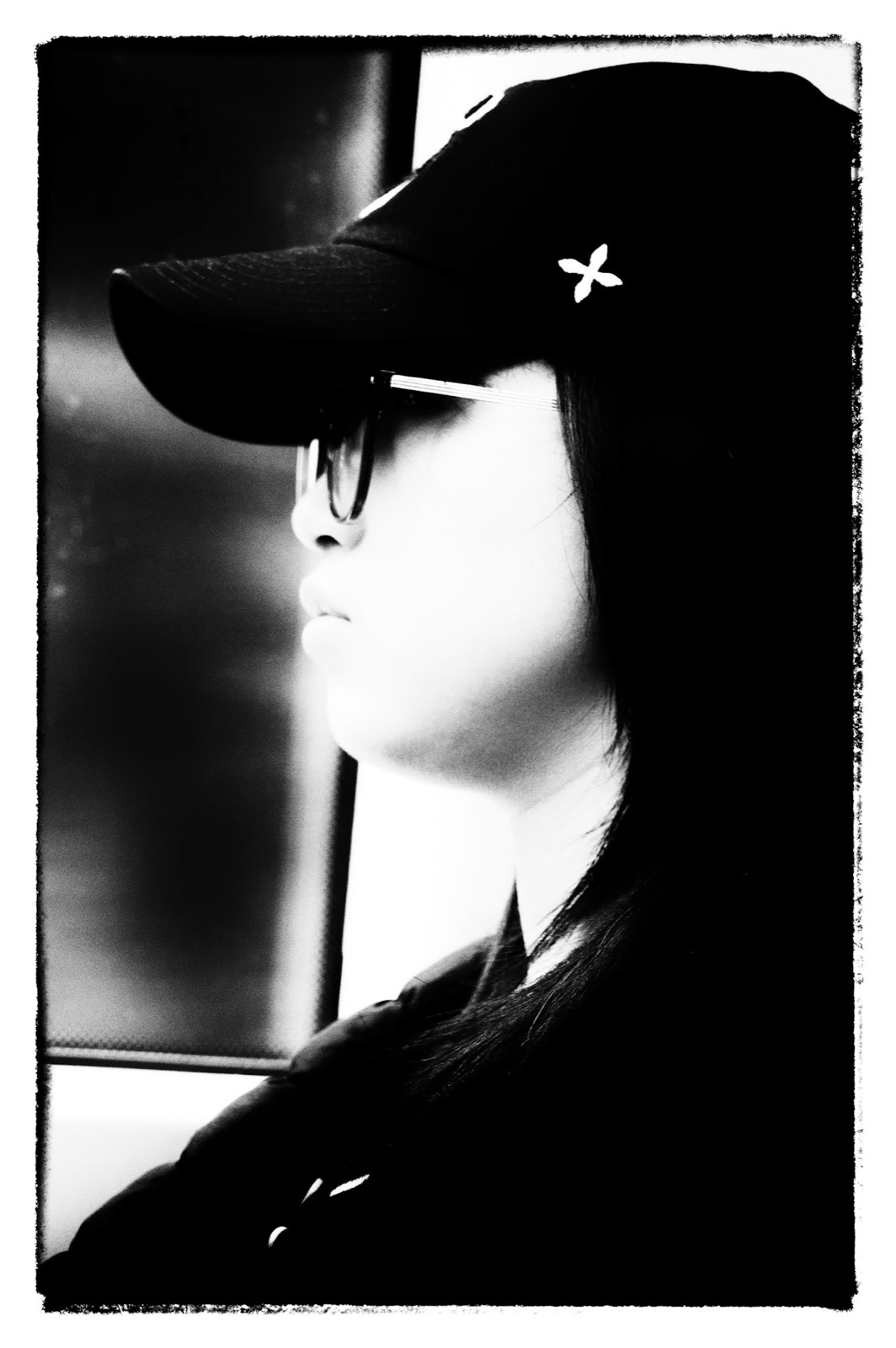
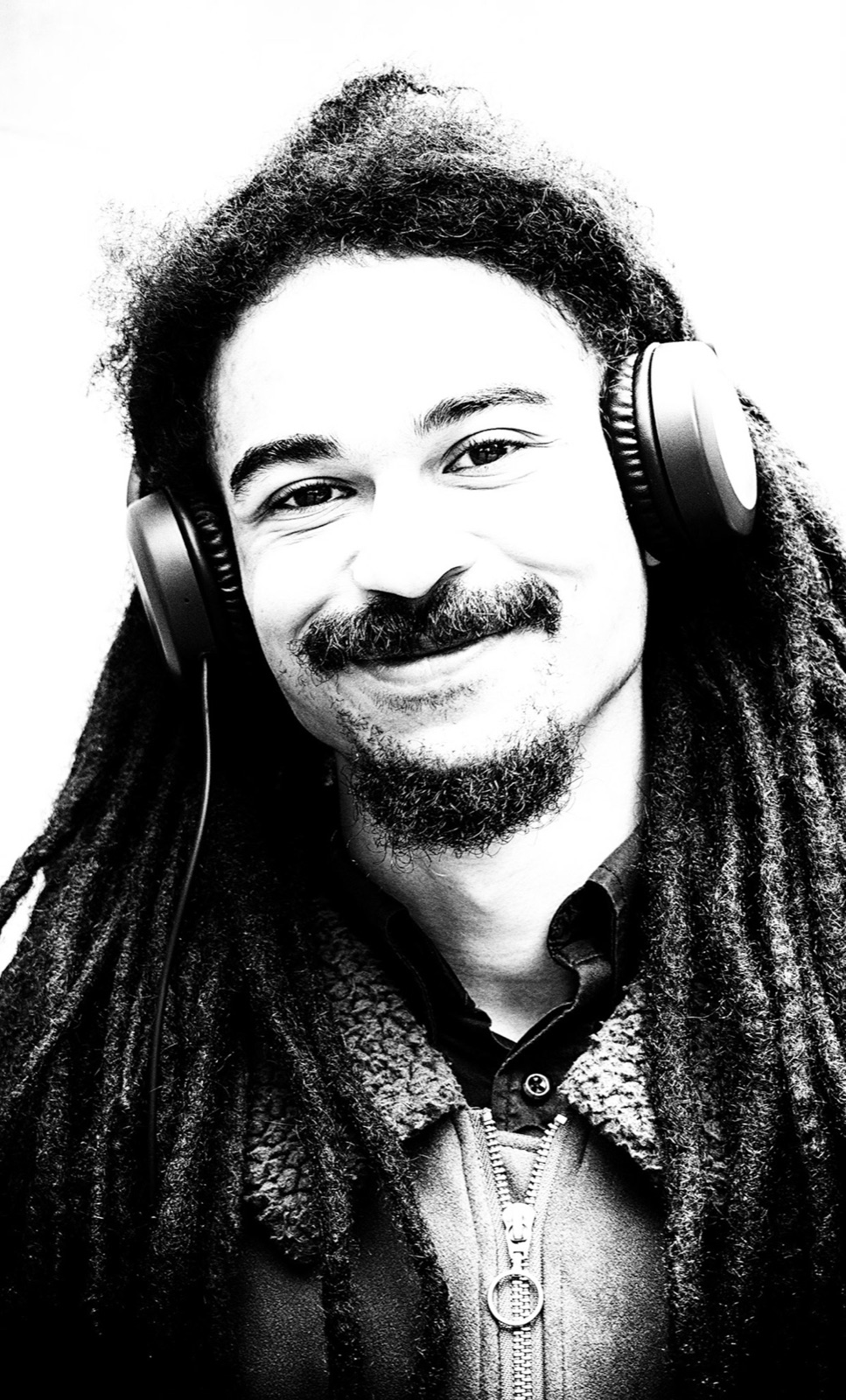
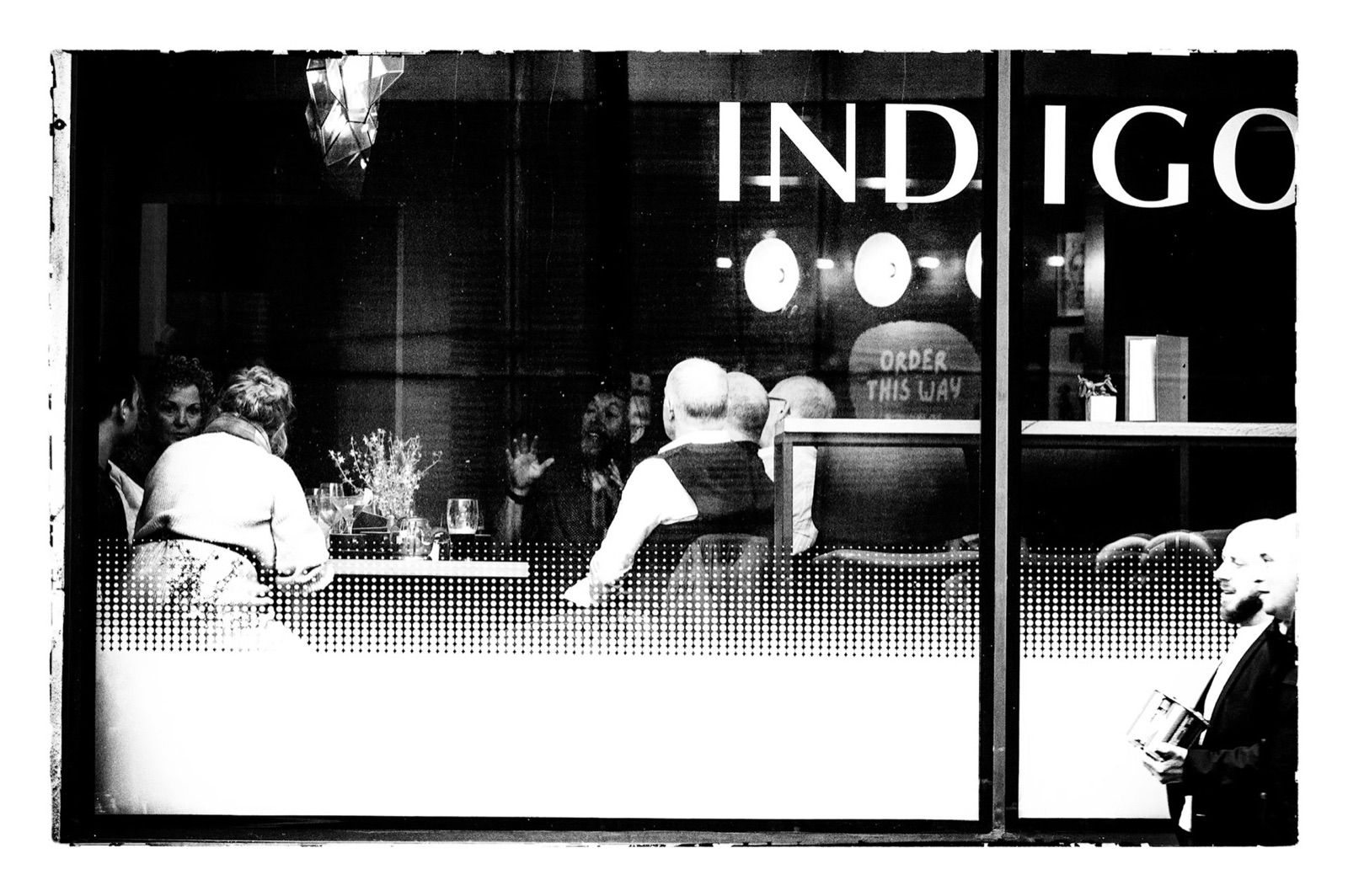
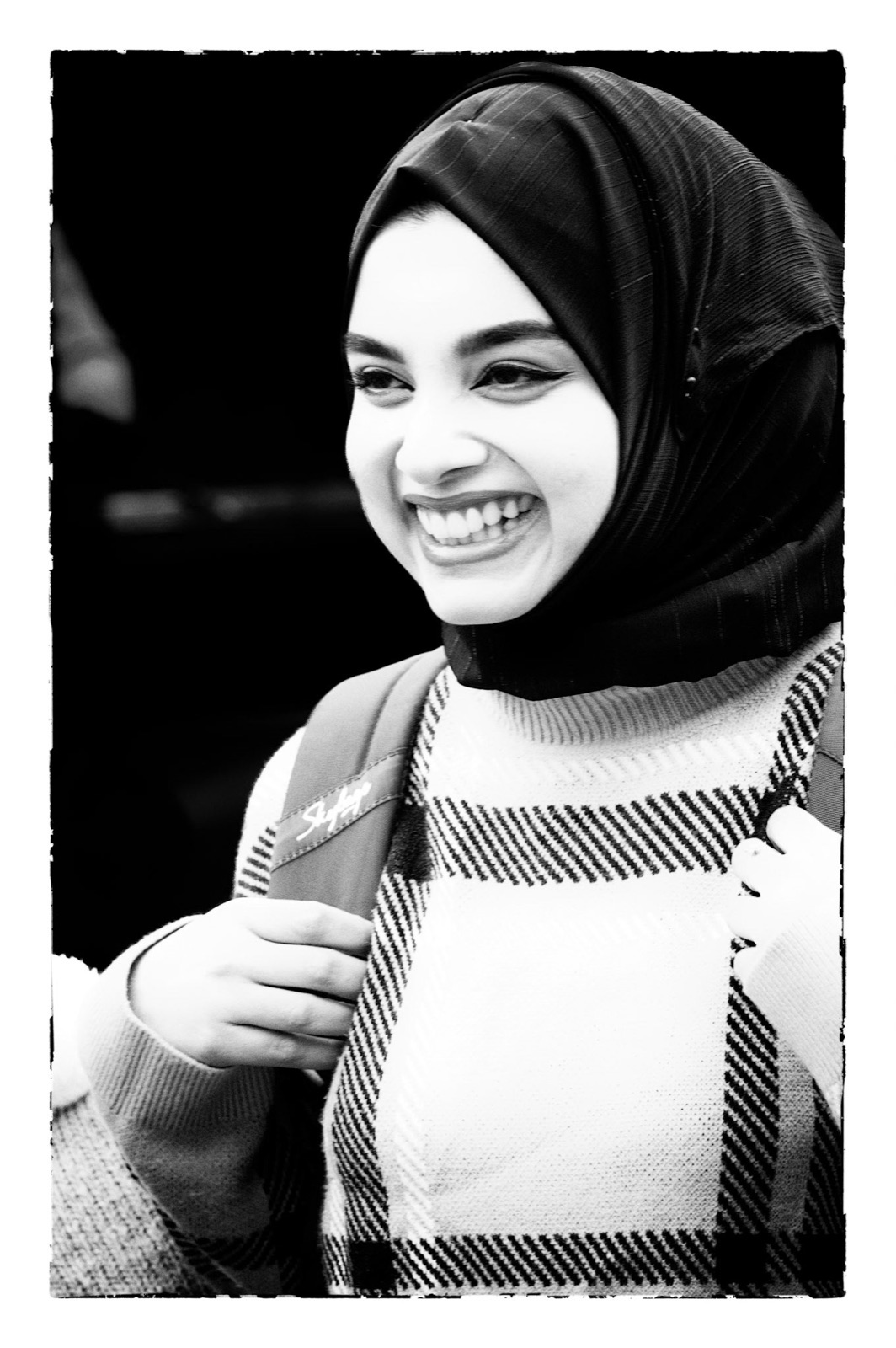
We meet on the front steps of Leeds Town Hall at ten. Then we walk into the city and start paying attention to it. That sounds simple. It is the hardest thing in photography.
A wedding hands you the picture — the dress, the light, the moment, all arranged and waiting. The street hands you nothing at all. You have to see it first, and then you have about a second and a half to do something about it. That is the skill this walk is for, and it is the one that makes every other kind of photography easier.
So we go slowly. I'll point out what I'm looking at and why — a shaft of light between two buildings, a doorway somebody is about to walk through, a repeated shape, a face. Then you start seeing them before I do, which usually happens somewhere in the second hour and is the best part of the morning.
Nobody lectures. Nobody looks over your shoulder at your screen unless you want them to. If you'd rather walk quietly and think, that is a perfectly good way to spend two hours.
3 to 8 people per walk. Small enough that you get proper time and attention. Big enough for the energy. Bring whatever camera you've got — phone, compact, DSLR, film. It doesn't matter.
The photography is the vehicle. Getting out and seeing the world properly — that's the destination.
The route changes with the light and the weather, but it is usually some of this.
Wide, grand and busy — good for scale, for figures against the light, and for practising the nerve to raise a camera in a crowd.
The main artery, and the best place in the city to pick a spot and let people come to you. Half of street photography is choosing well and waiting.
County Arcade and the Victoria Quarter — tiled floors and light that falls in a way you get nowhere else in Leeds. Excellent on a wet day.
One of the largest indoor markets in Europe, and a genuinely hard place to photograph well. Colour, noise, close quarters. Rewarding when it works.
Domed light and curved balconies, then the quieter ways in between where the ordinary city gets on with its business.
The Dark Arches and Granary Wharf when we want architecture and darkness rather than people.
Whatever camera you own. Phone, compact, DSLR, mirrorless, film — it makes no difference to what you'll learn. The people who improve fastest on these walks are rarely the ones with the best equipment.
Comfortable shoes and a coat. It's a city centre, so it's flat, but it's two hours on your feet. And we walk in the rain — reflections, umbrellas, wet stone. Some of the best frames come out of the worst weather.
No experience at all, if that's where you're starting. Beginners and experienced photographers come on the same walk. Nobody is graded, nobody is compared, and nobody is put on the spot.
A bit of nerve, or none. Almost everyone is anxious about photographing strangers. It's the single most common thing people arrive with, and it shrinks fastest in company — which is precisely what a group walk is for.
Photographs from real walks in Leeds and Manchester — daylight, night, rain and neon. This is the kind of seeing we practise together.
The things people ask before they book.
The front steps of Leeds Town Hall on The Headrow, at ten o'clock. Come a few minutes early and say hello.
In a public place in England, yes. What matters more is how you do it — being open, being courteous, and knowing when to put the camera down. We talk about that properly on the walk.
Yes. Most people arrive having never done it. It is built for exactly that.
The one you own. If that is a phone, bring the phone.
We walk. Leeds in the rain is better photography than Leeds in the sun. Only genuinely unsafe weather stops us.
Three to eight. Small on purpose, so there is proper time for everyone.
Yes — places are limited and they go. Booking is through Leeds Photography Club.
Yes, one-to-one or small groups, at your pace and on your own questions.