006 / From the Walks
Made on walks like yours.
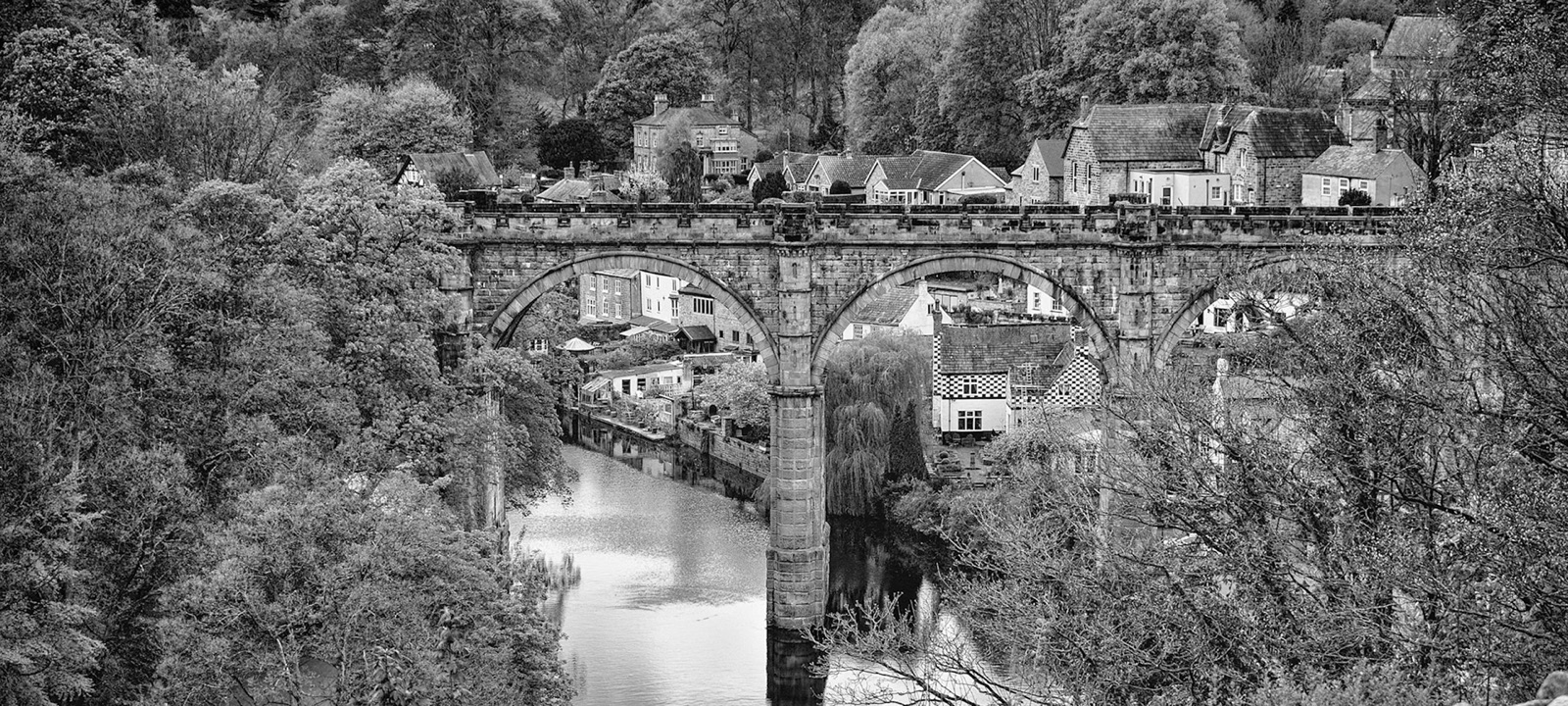
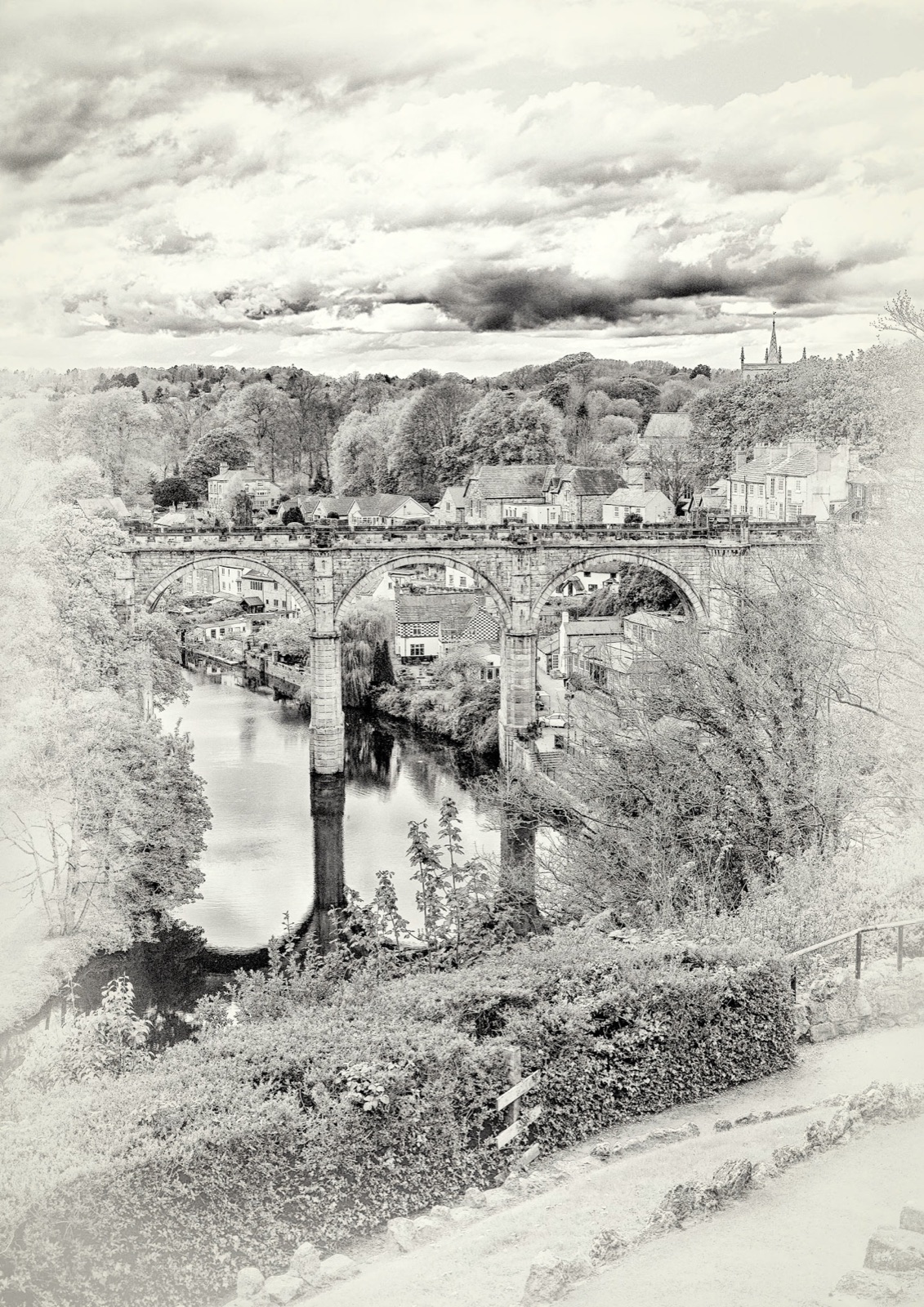
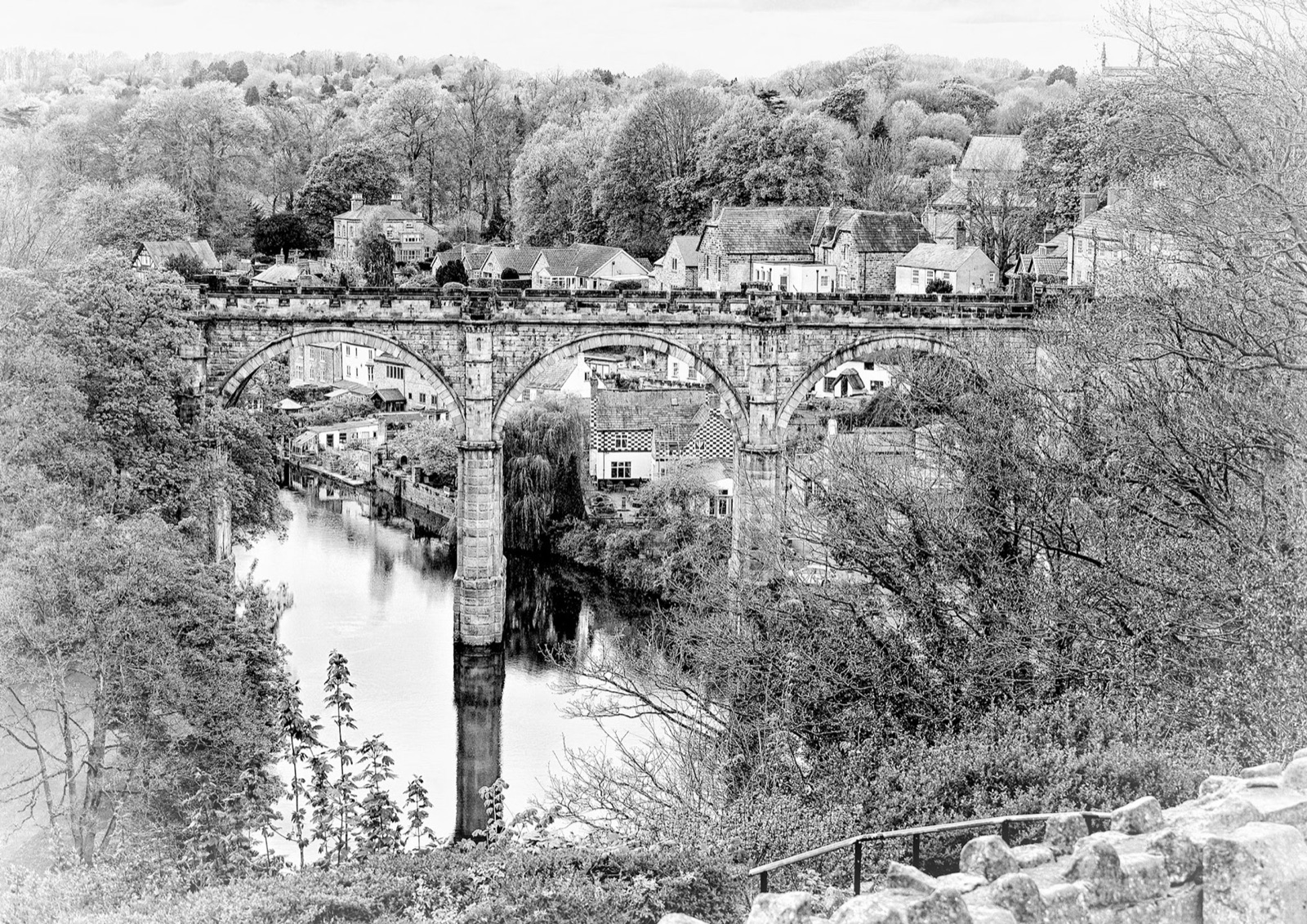
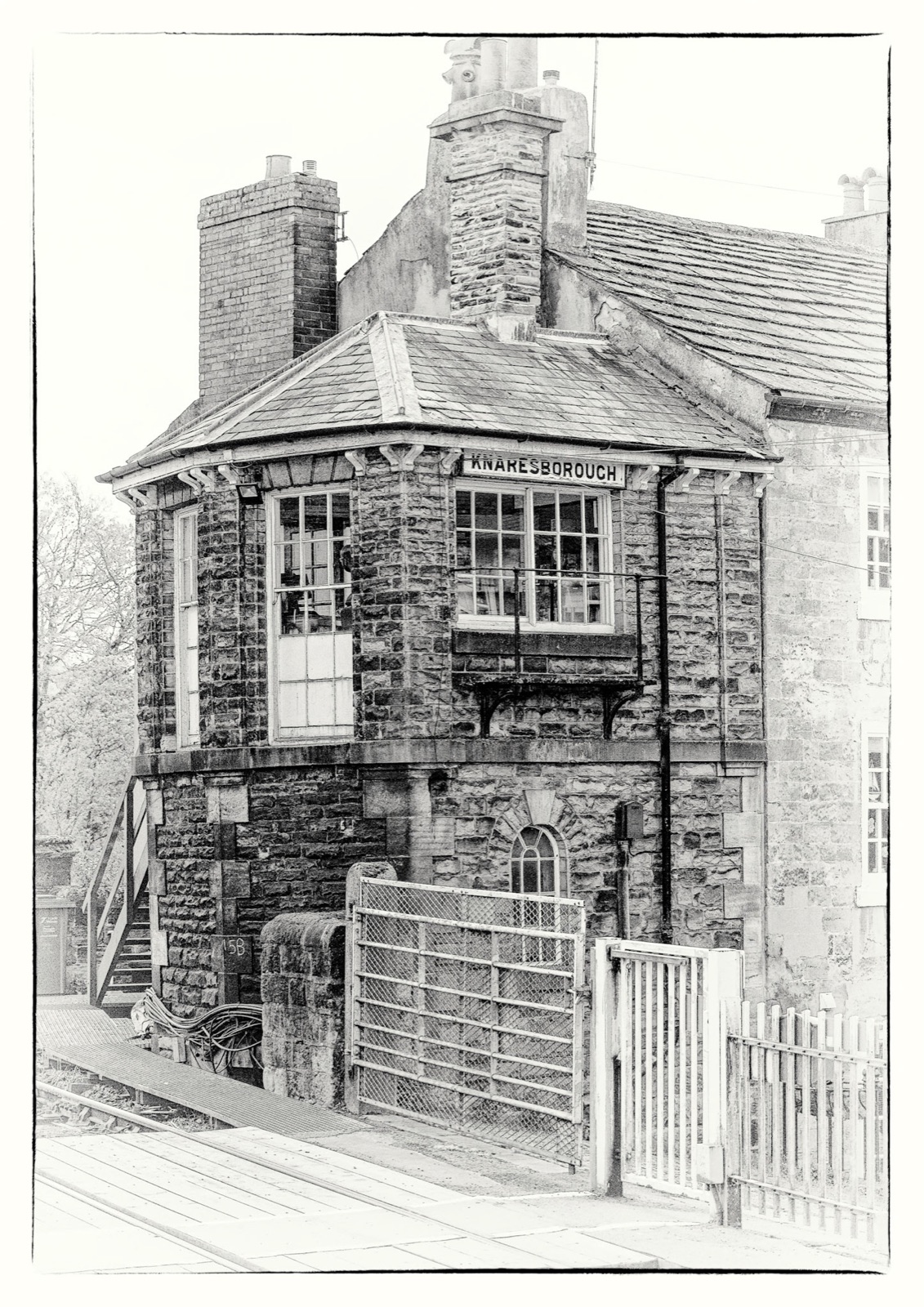
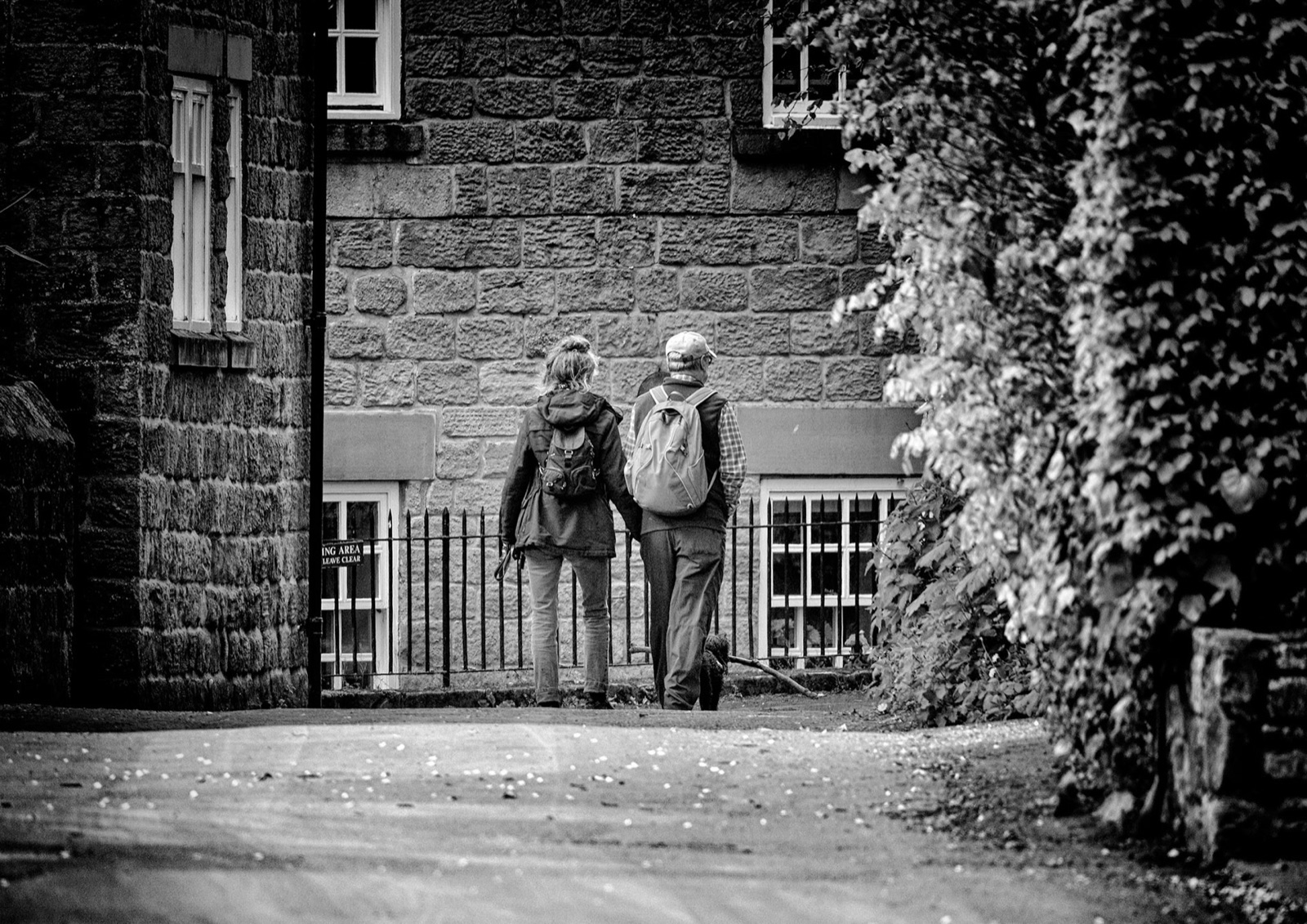
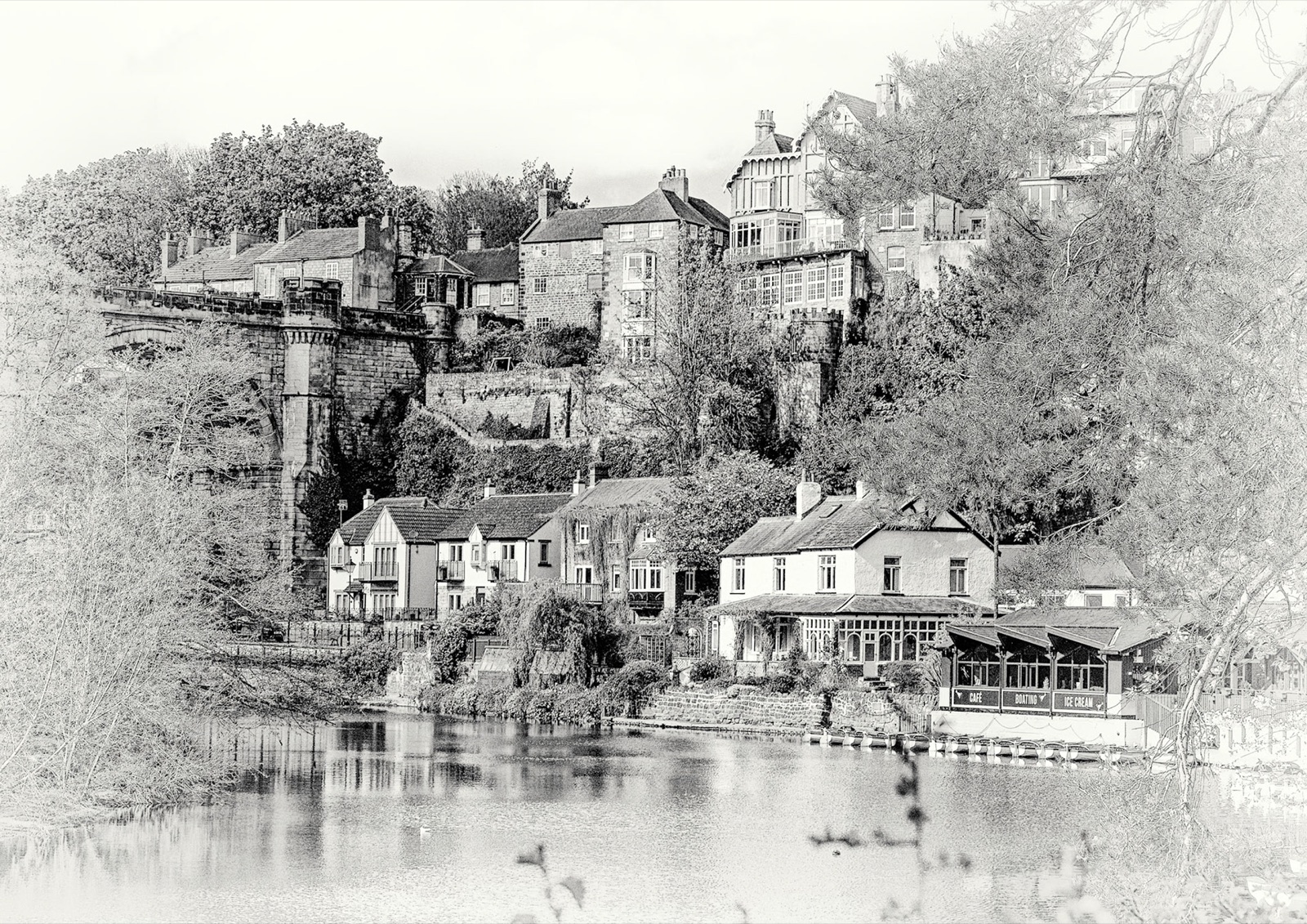
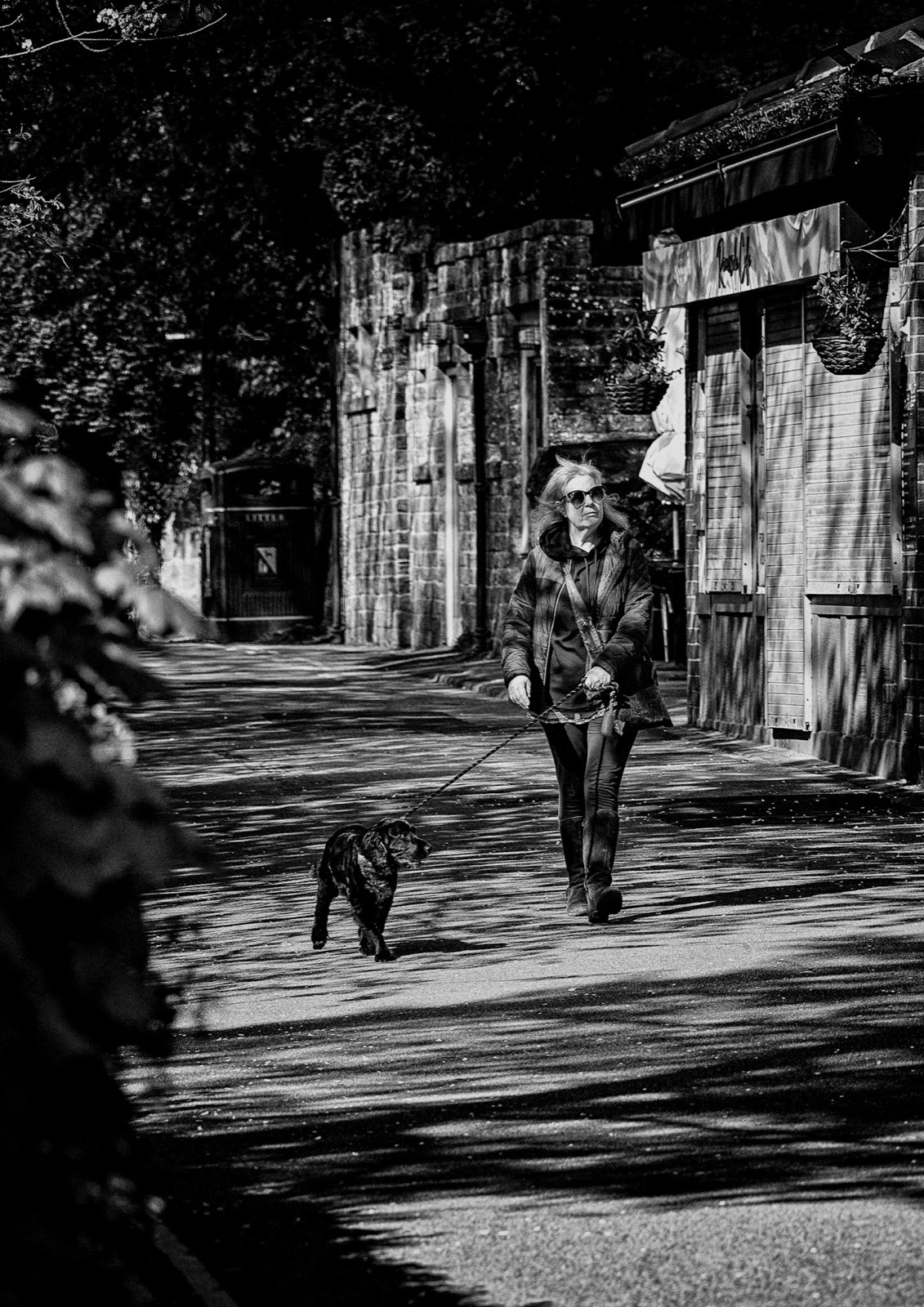
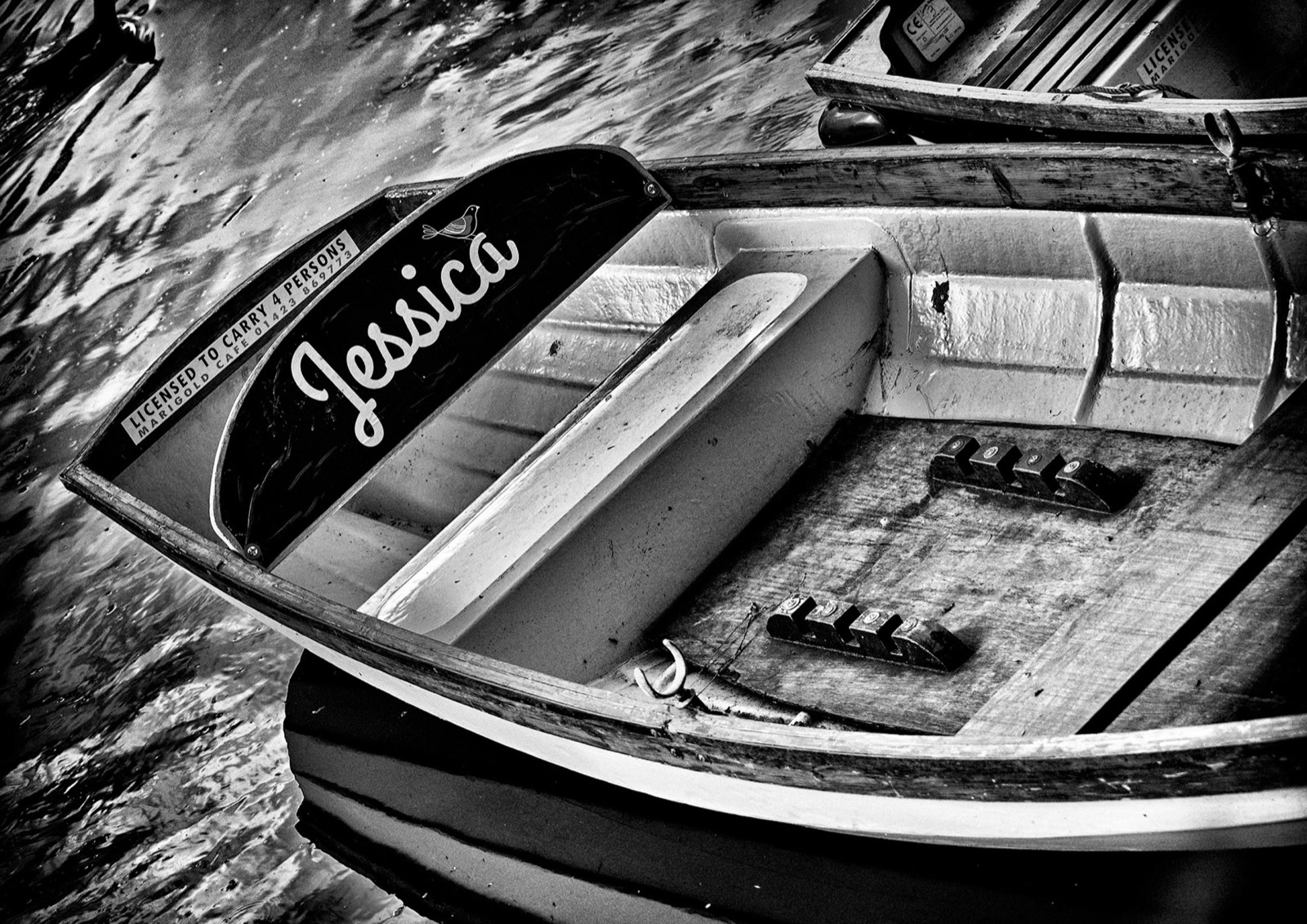
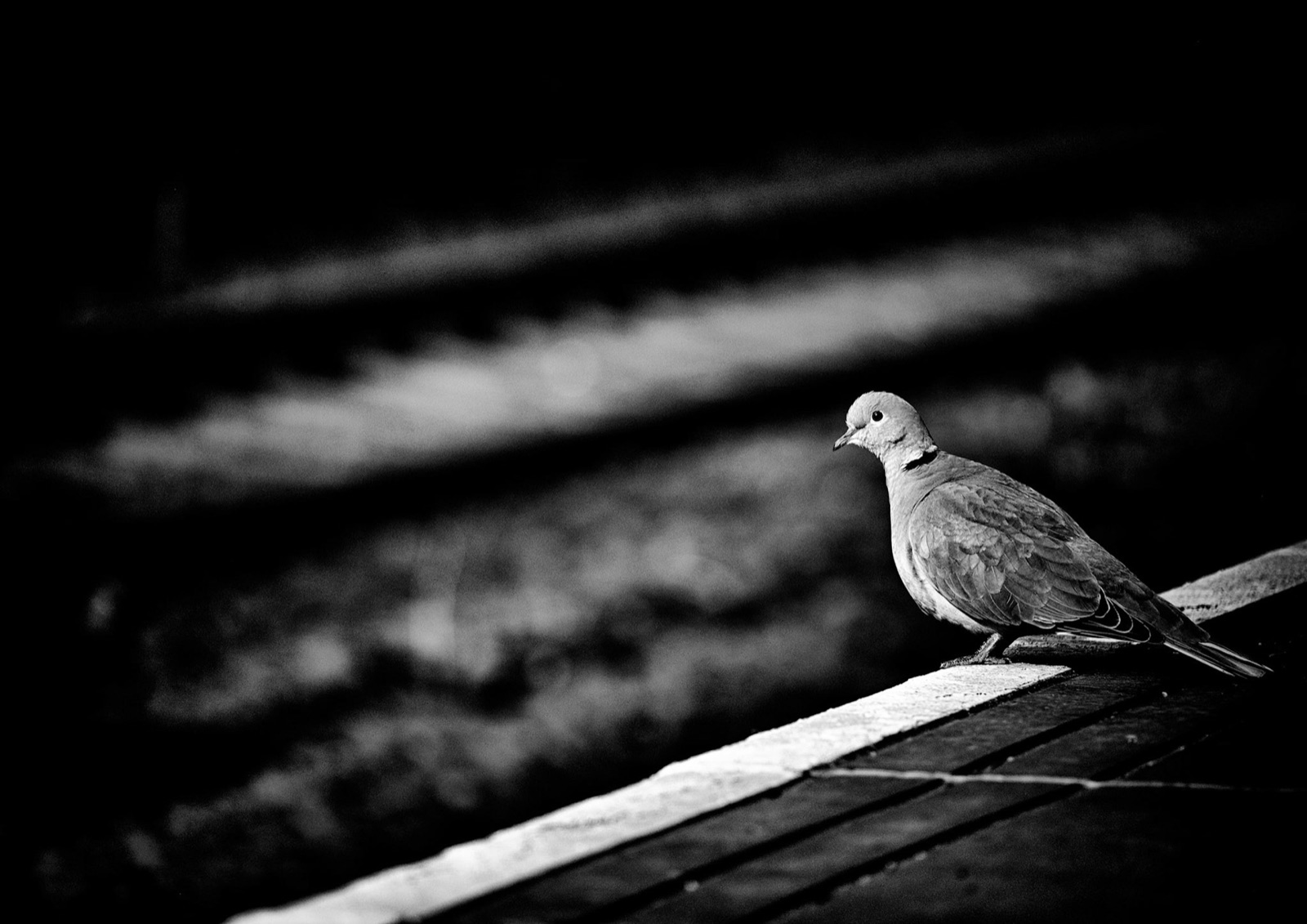
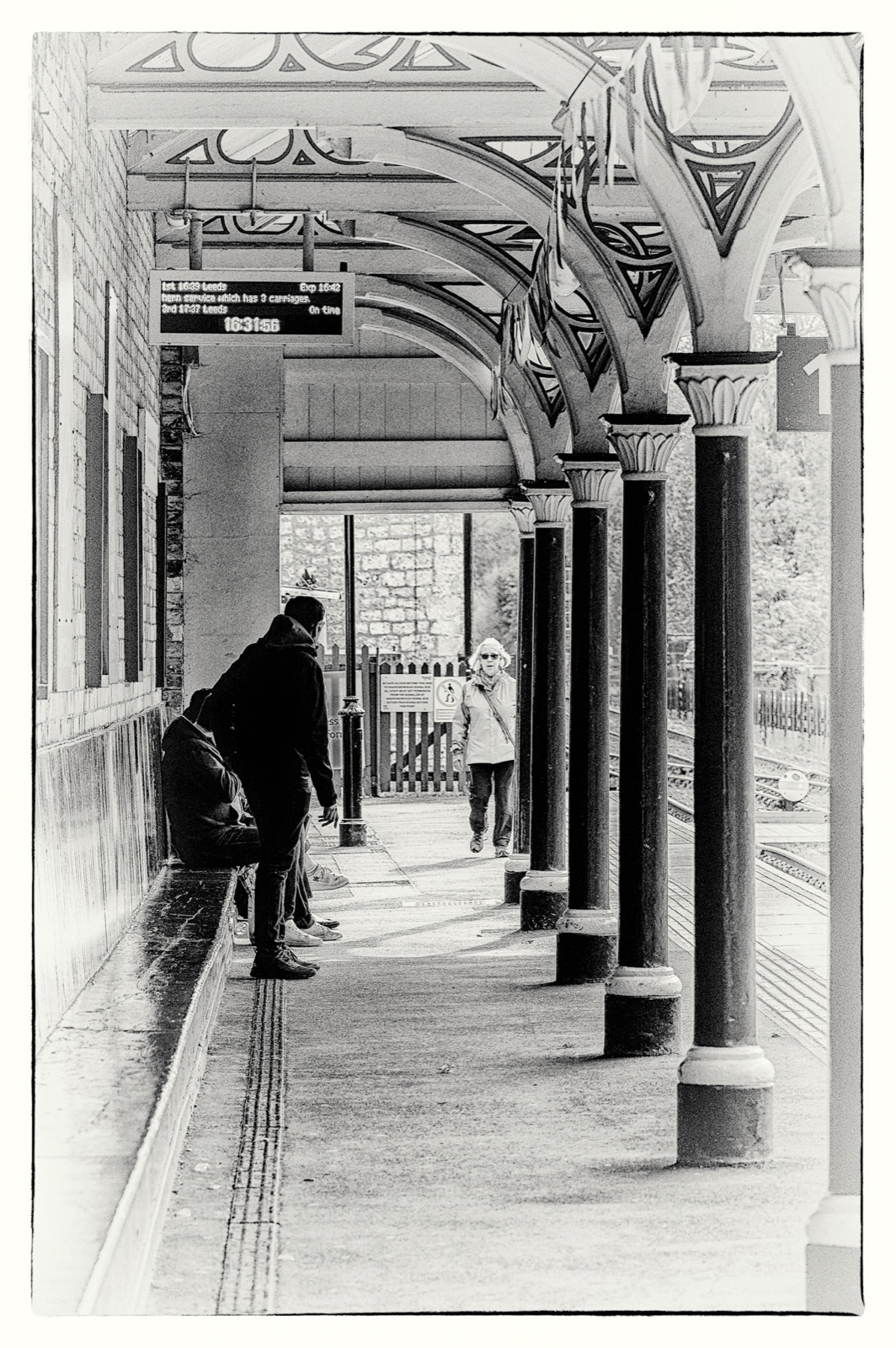
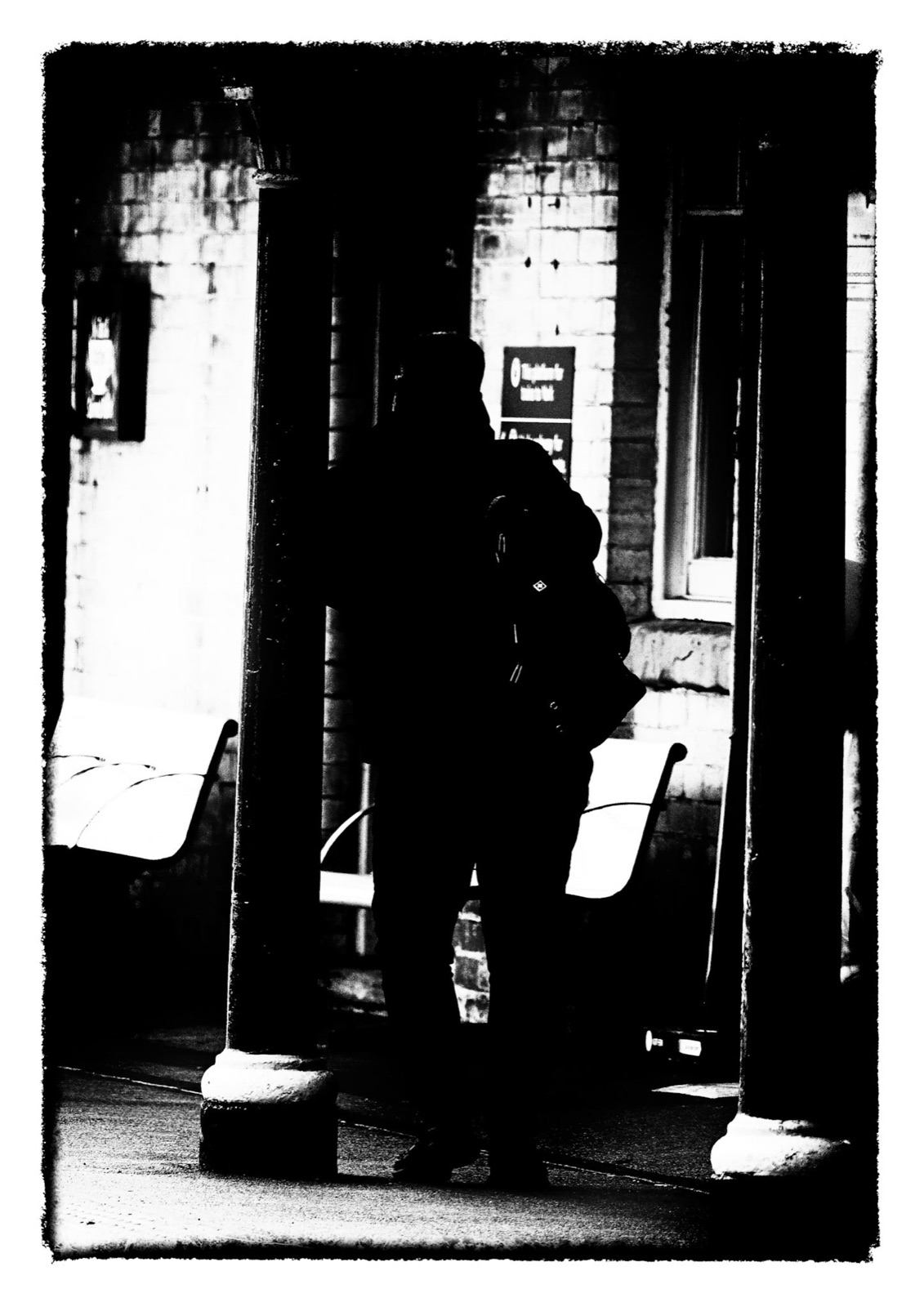
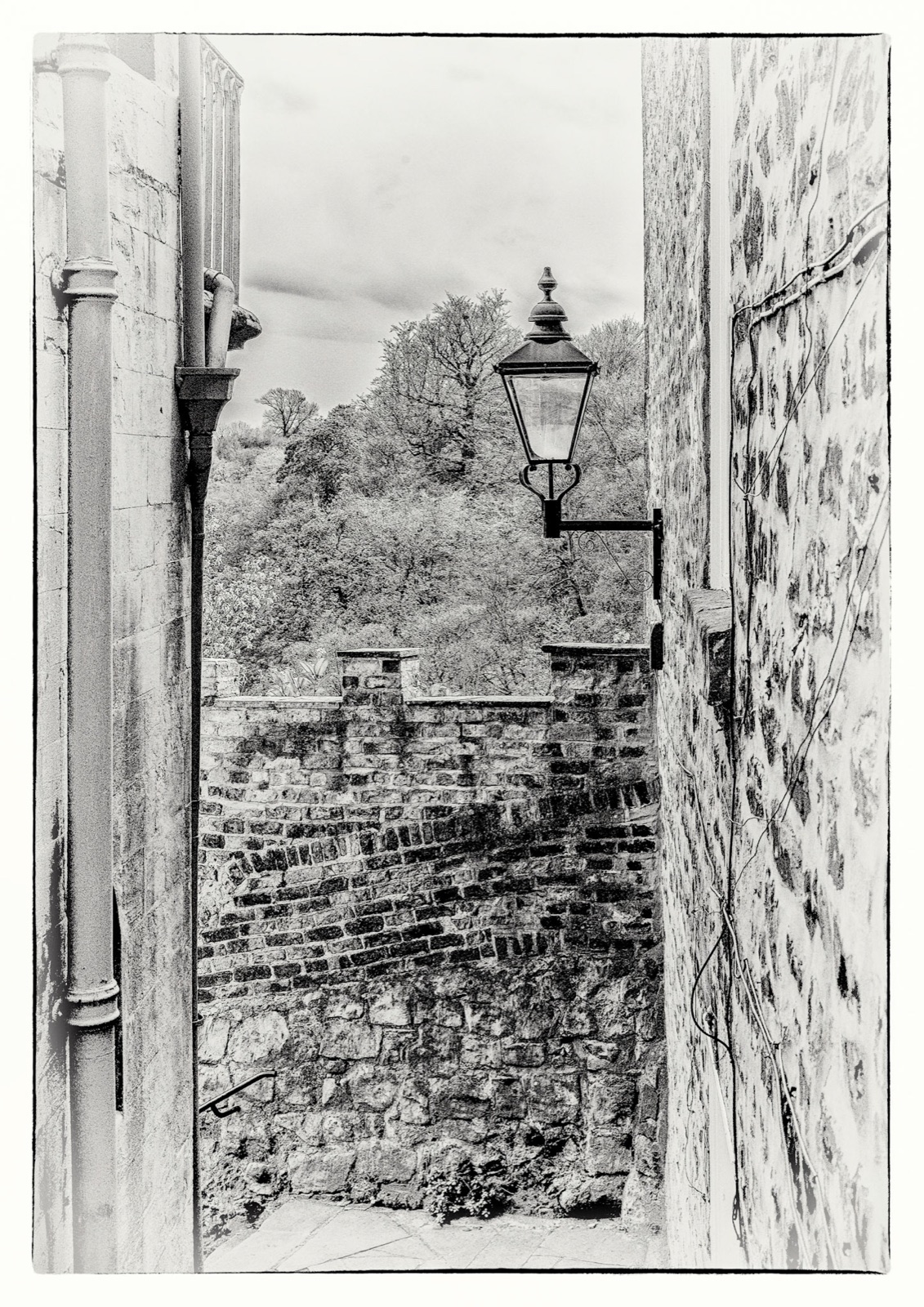
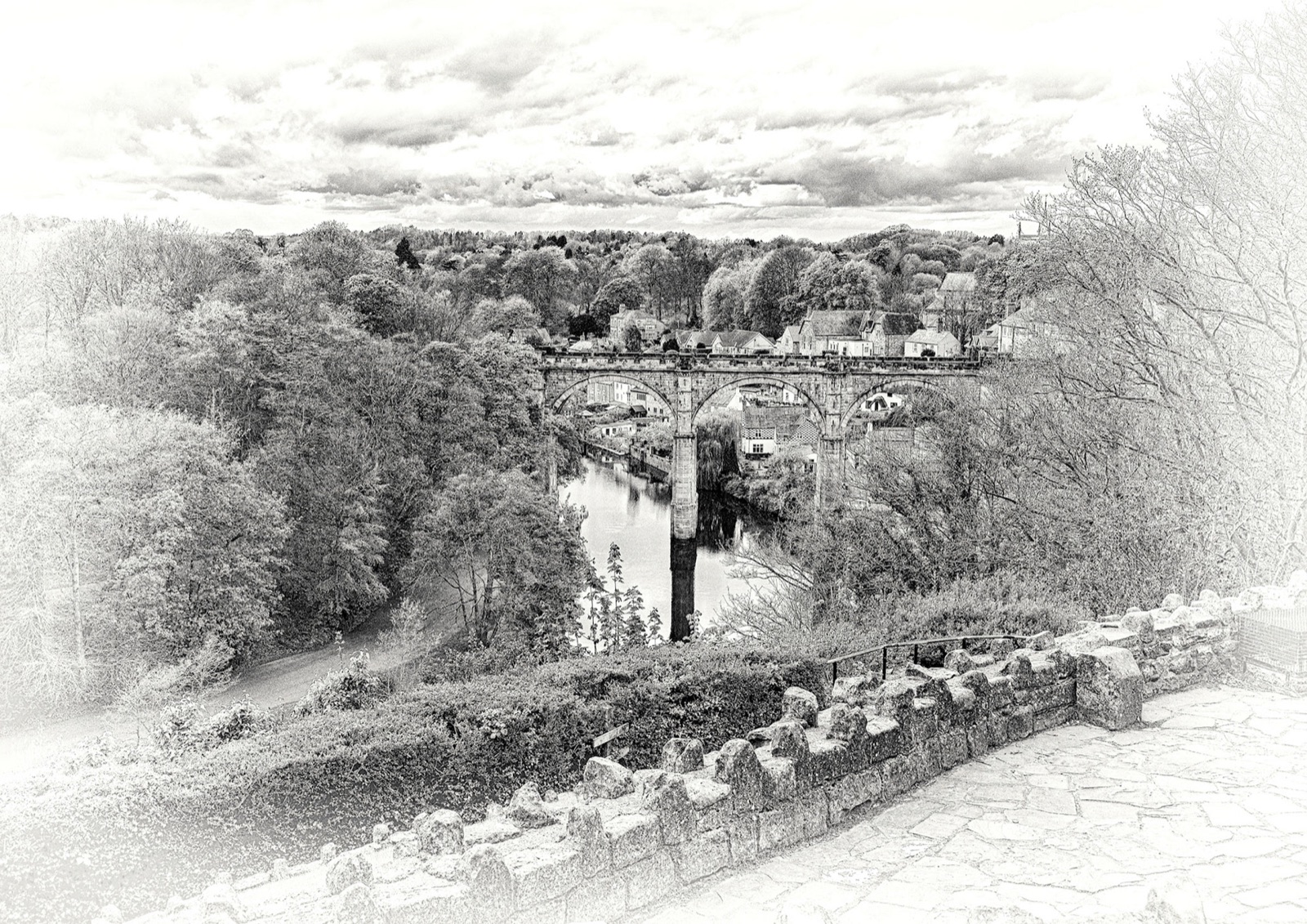
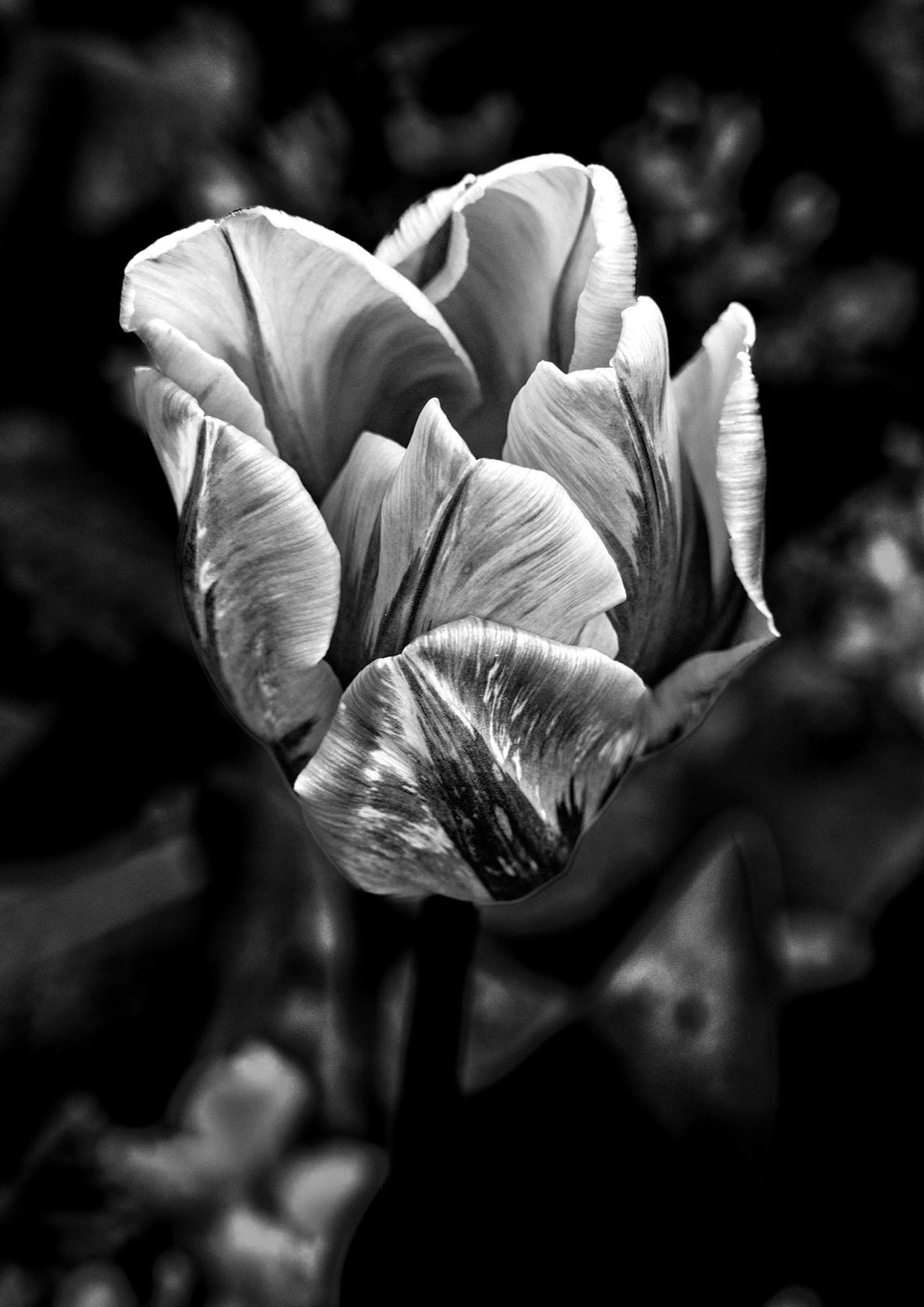
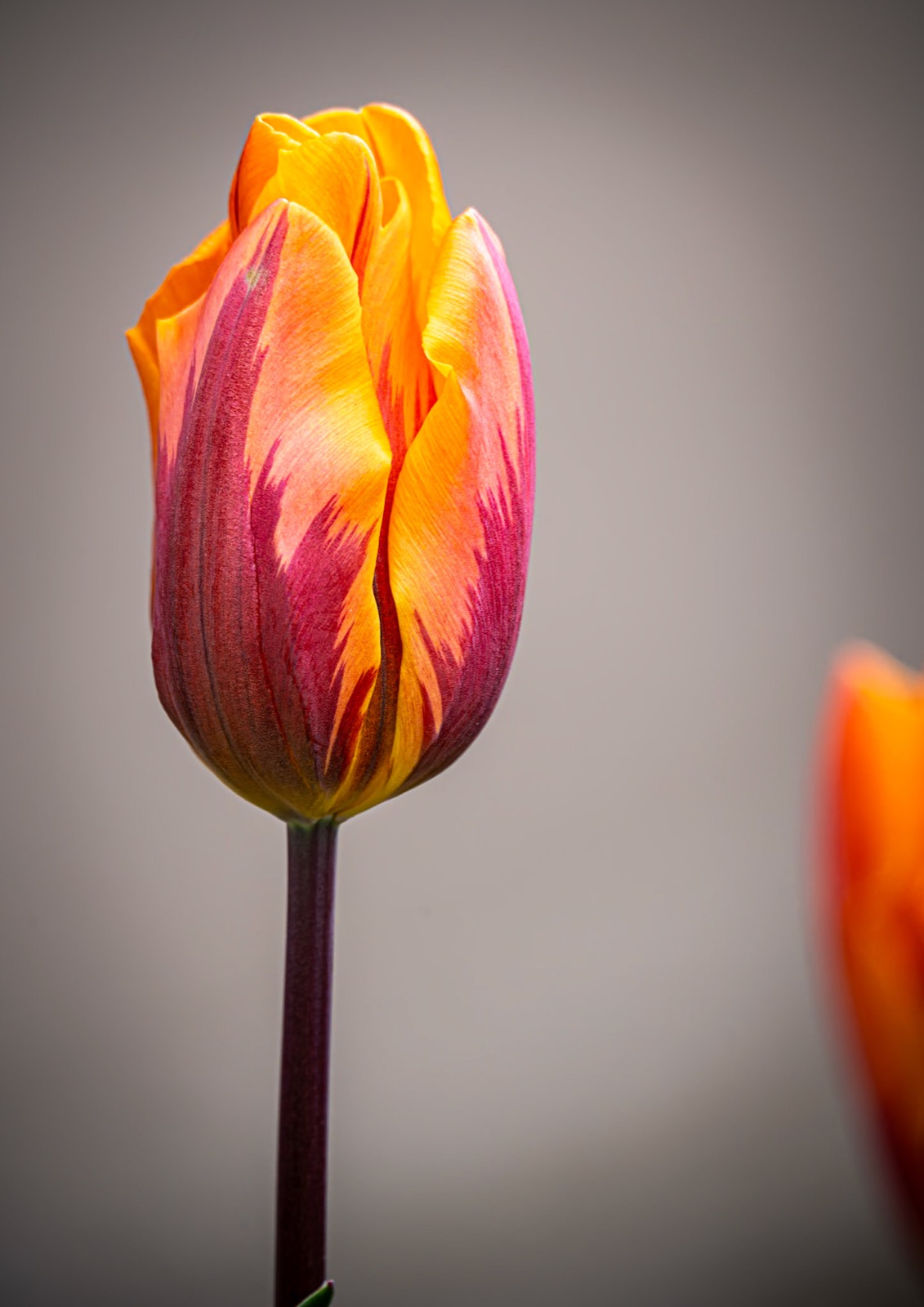
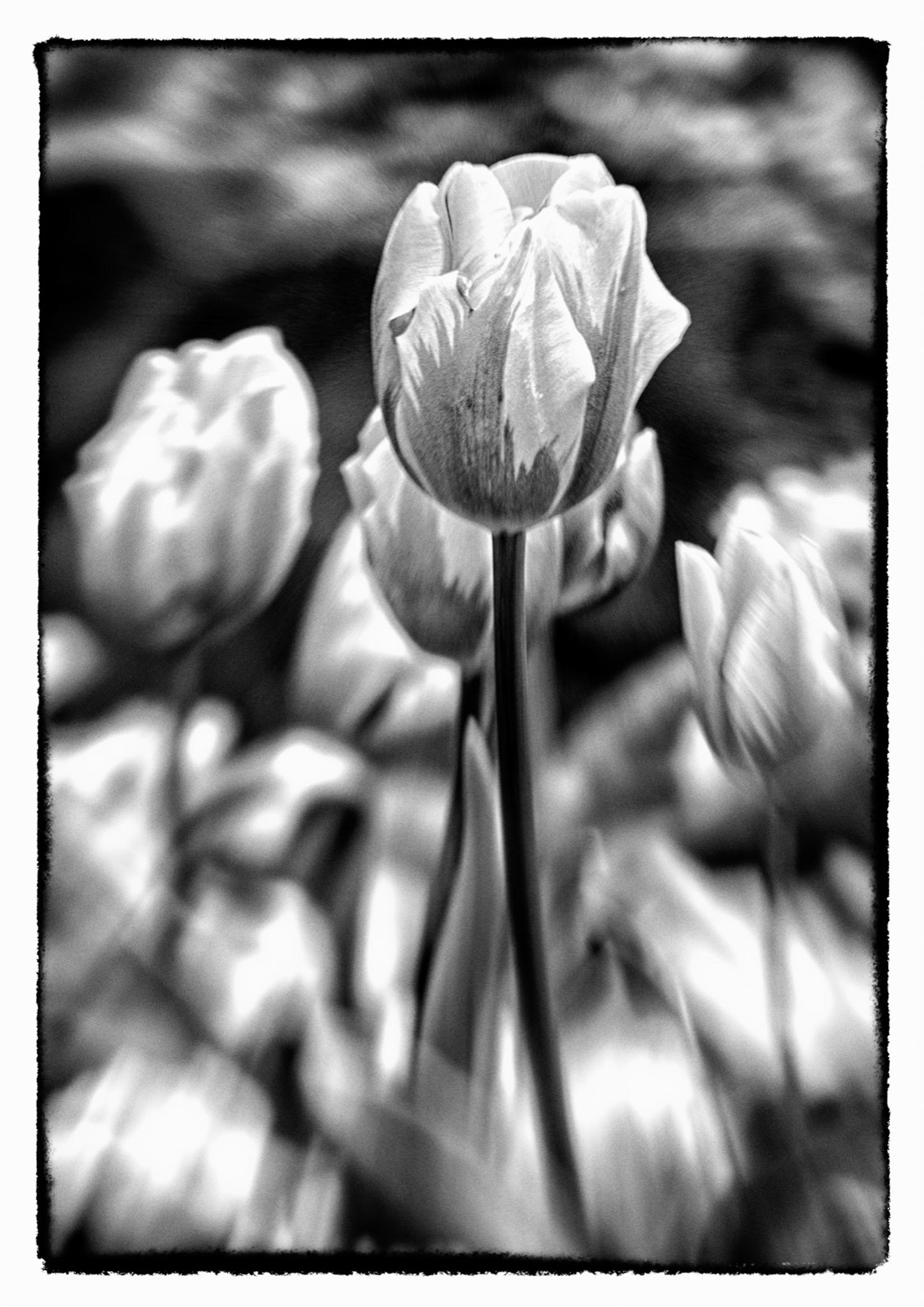
Photographs from Knaresborough walks — the river, the viaduct, the market squares, and the people passing through them.
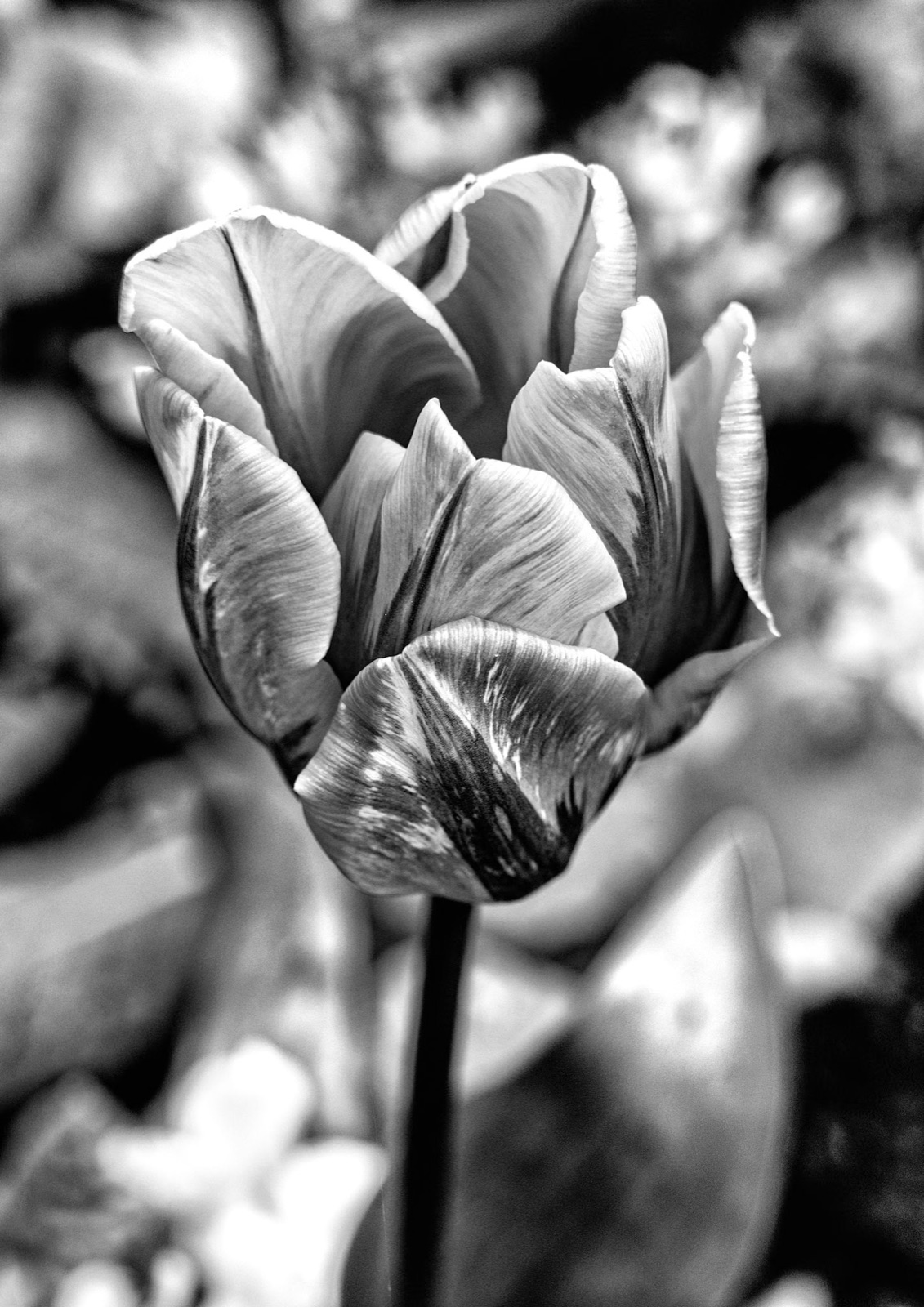
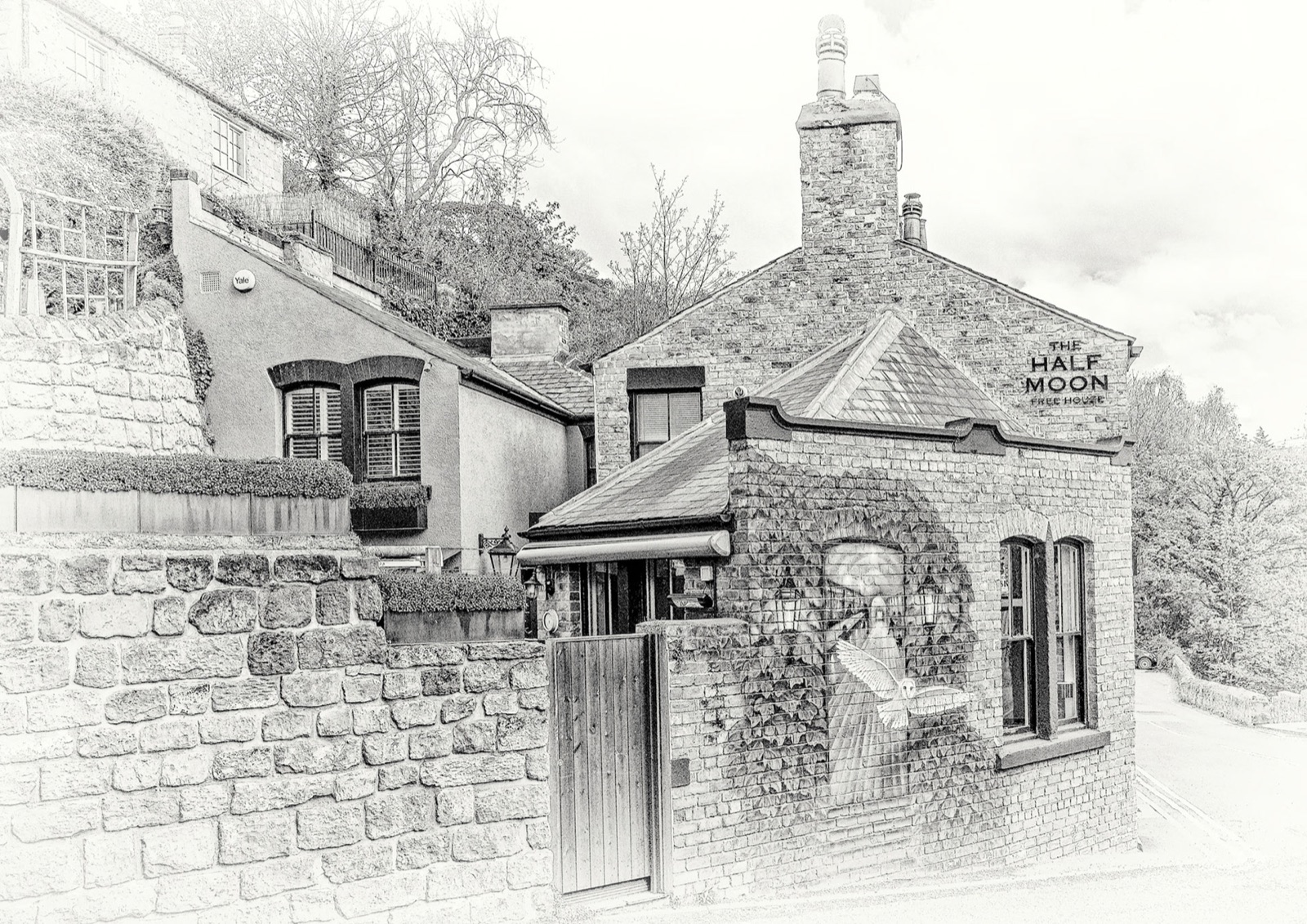
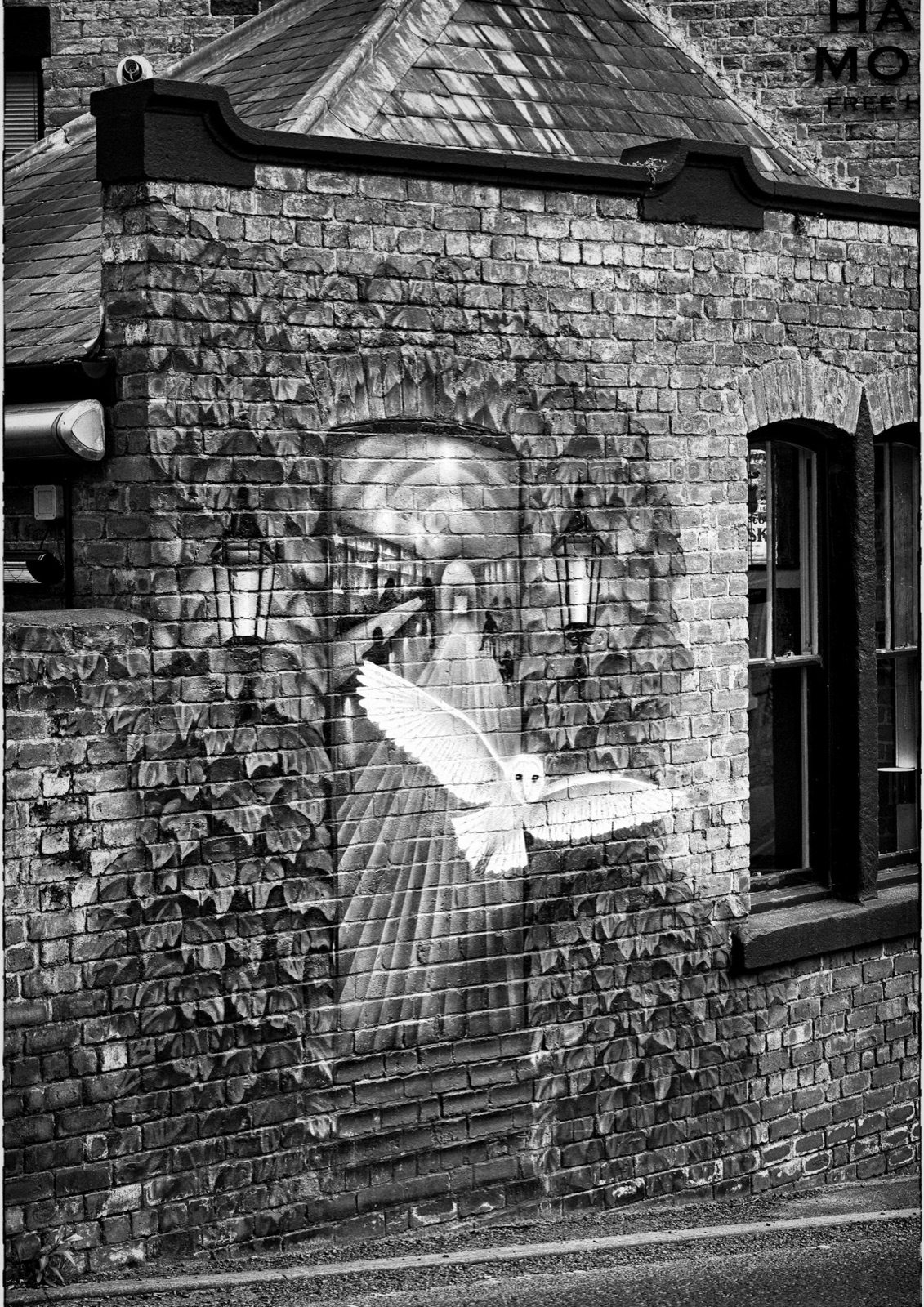
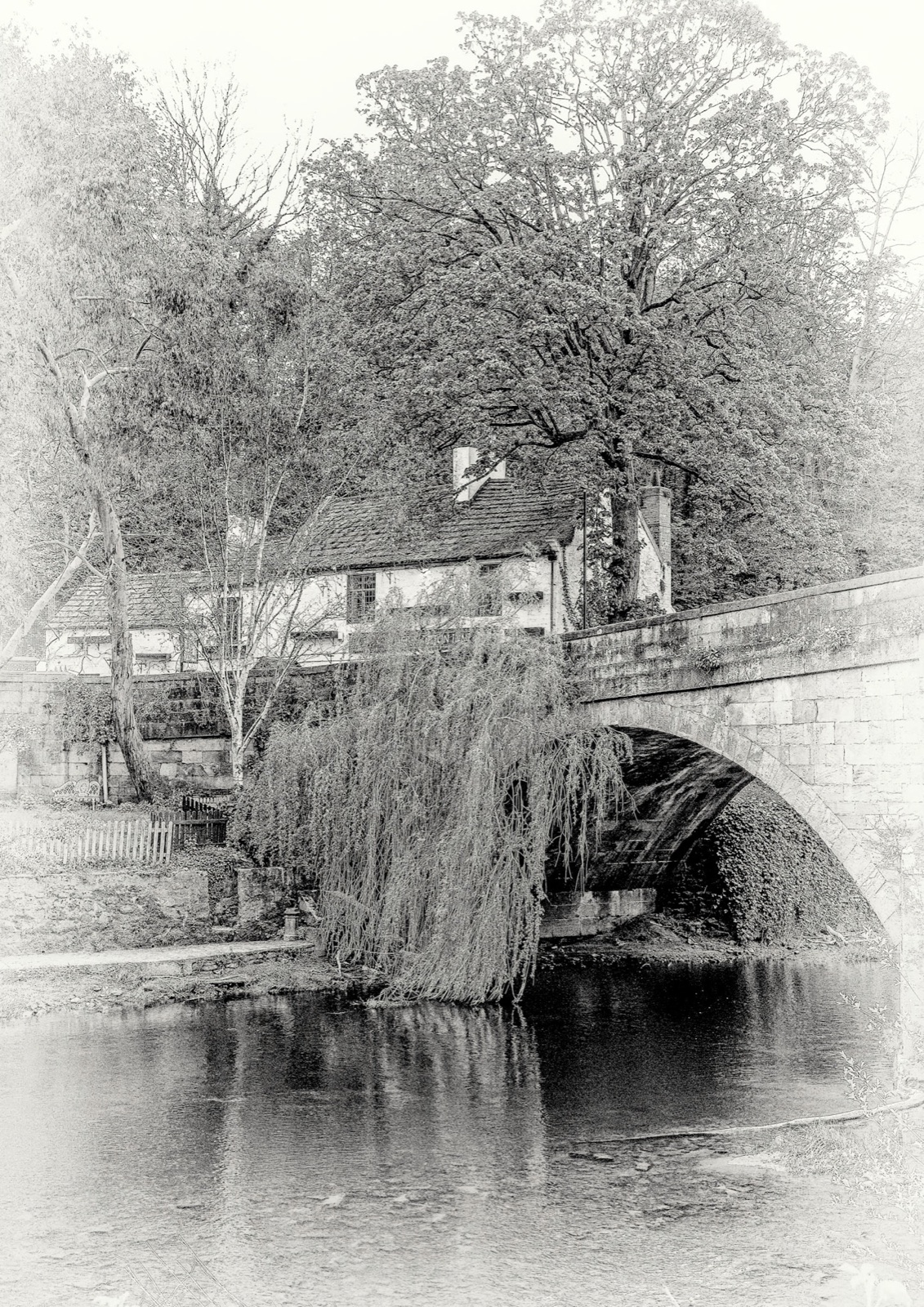
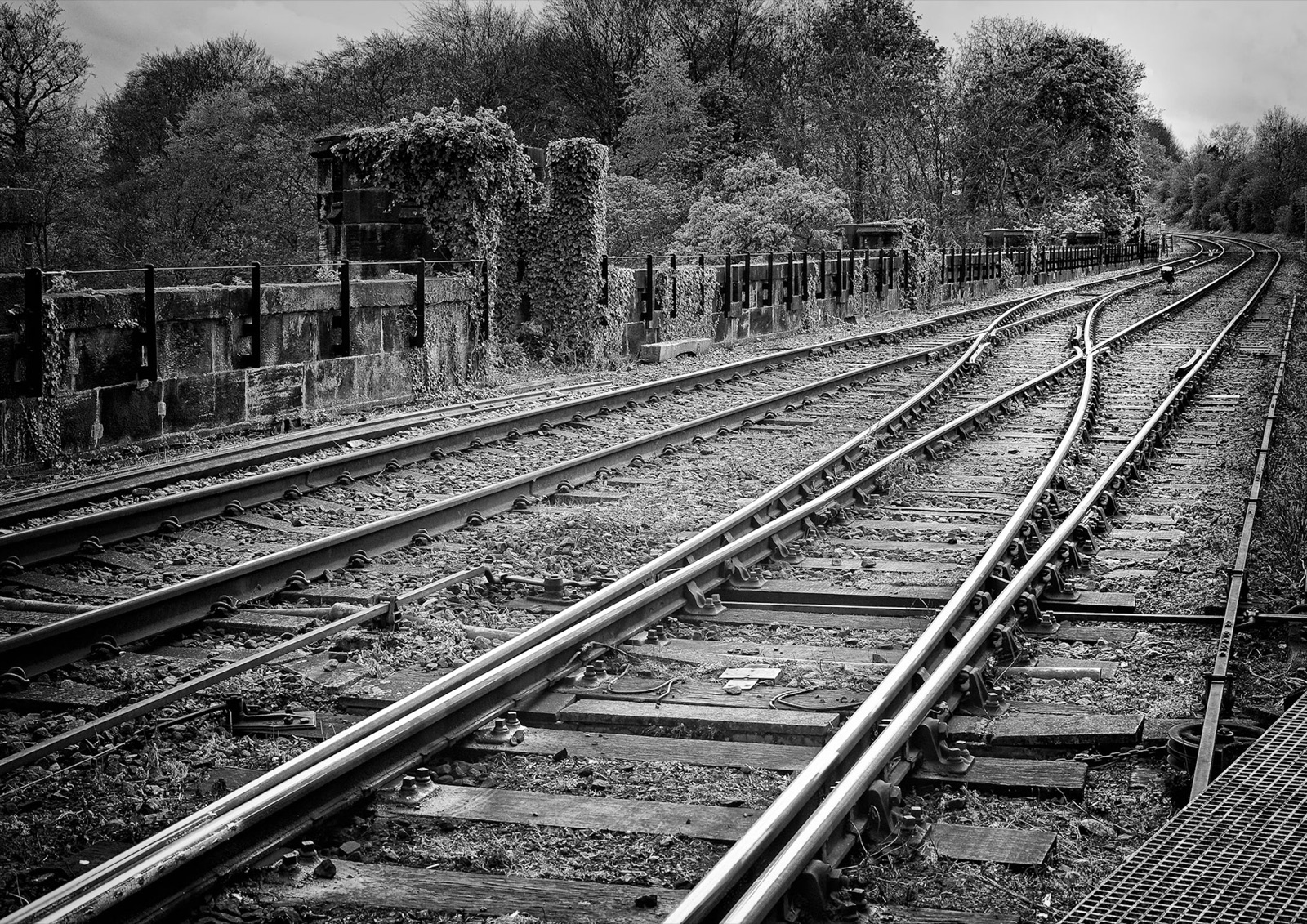
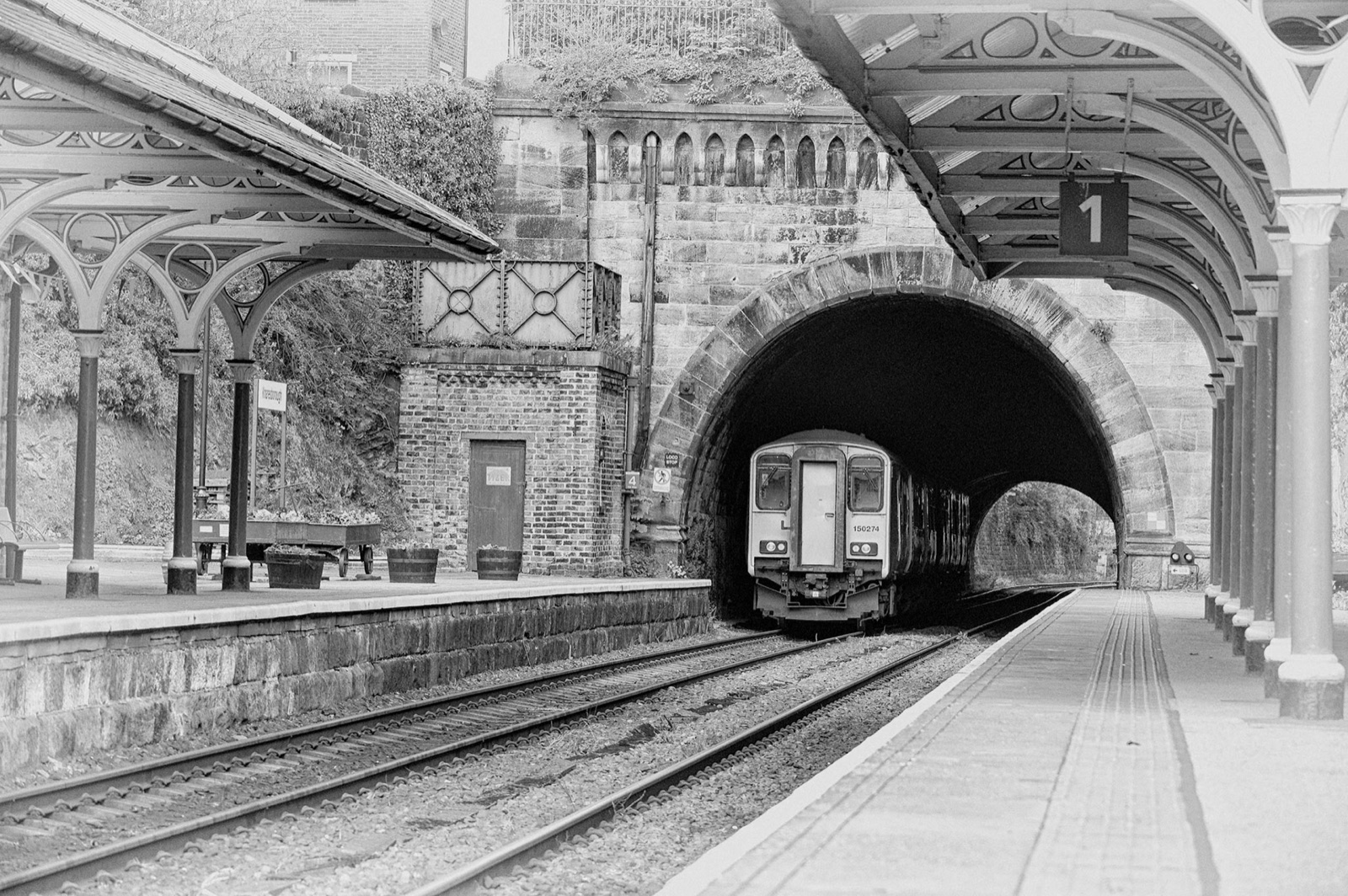
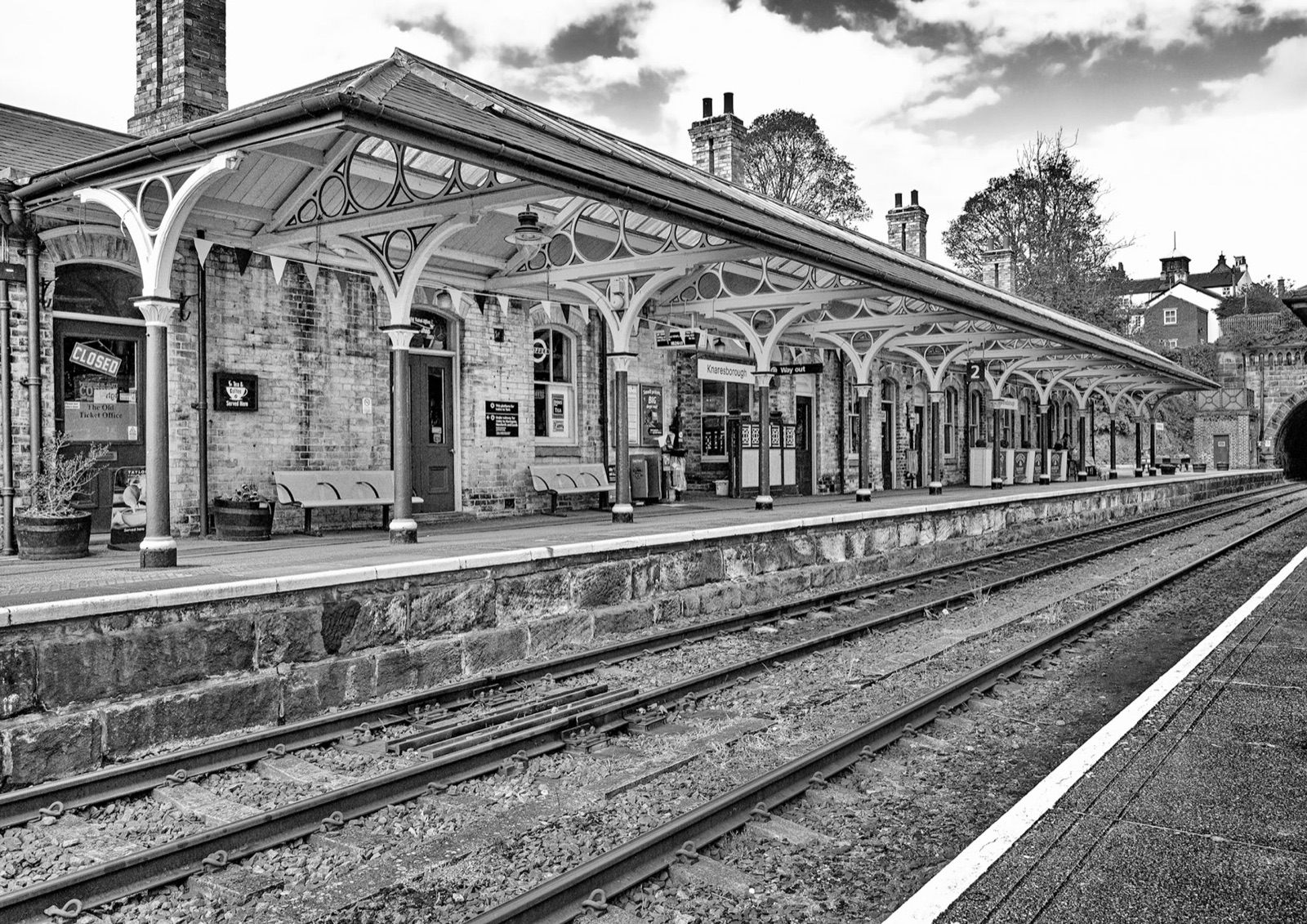
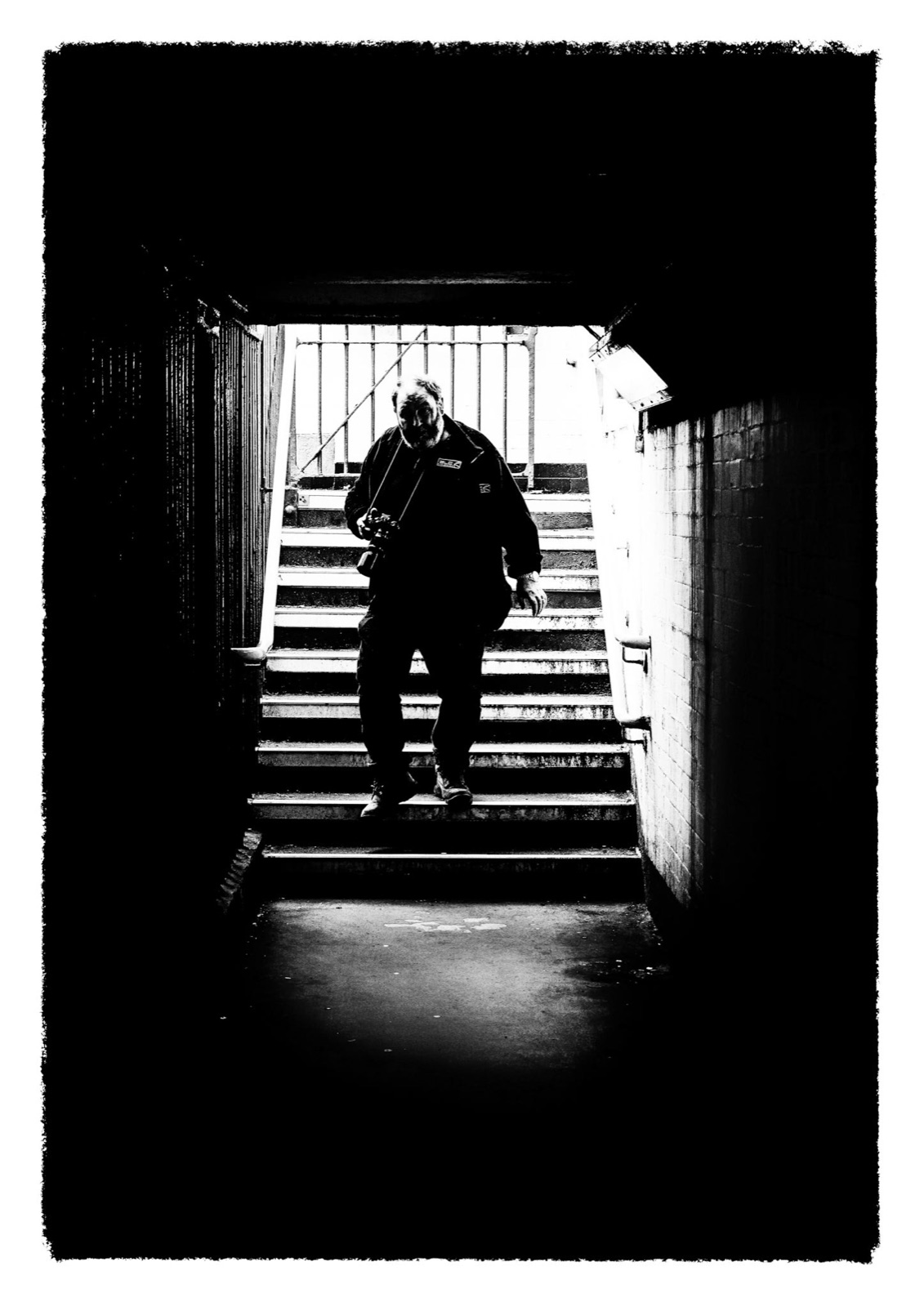
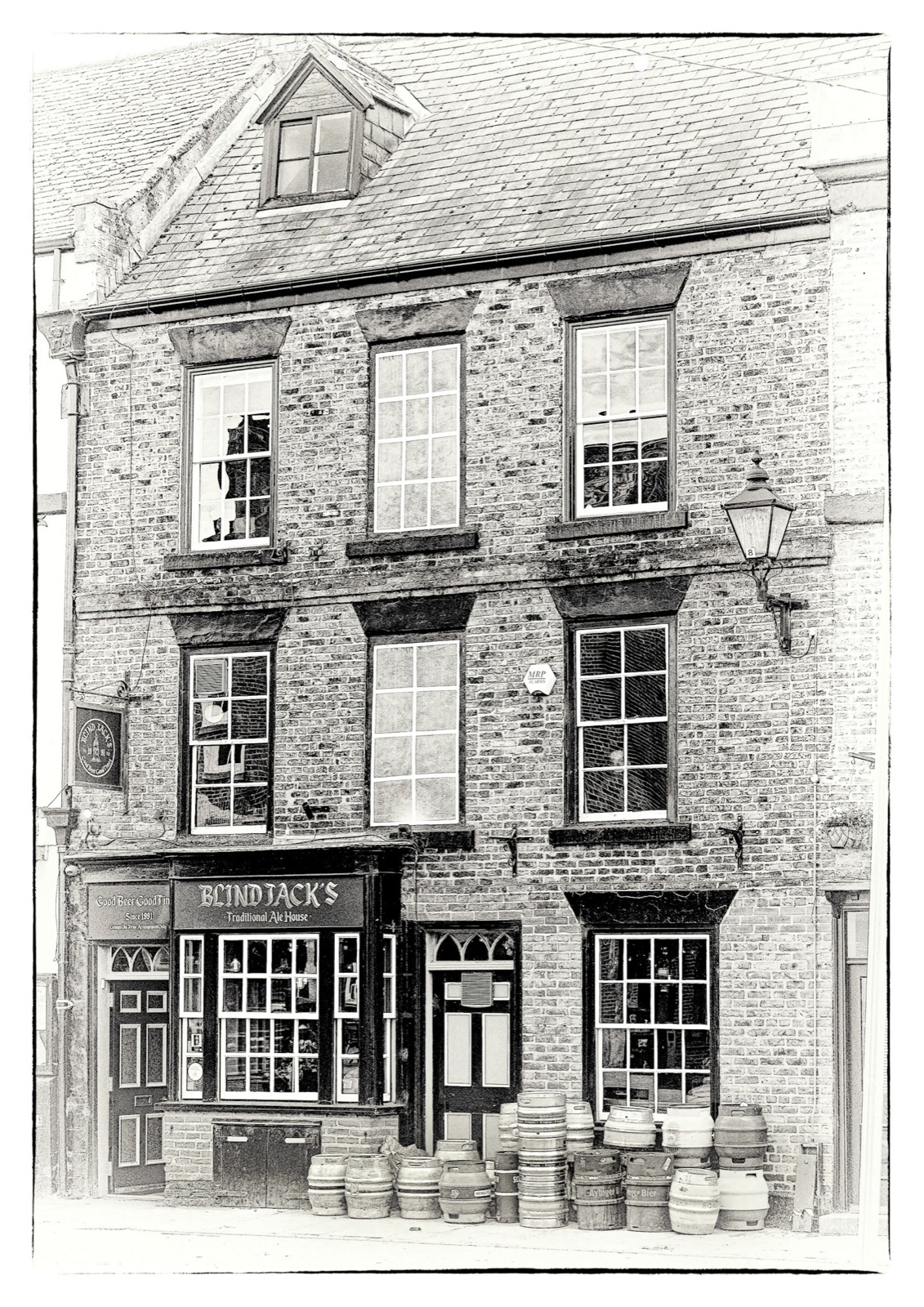
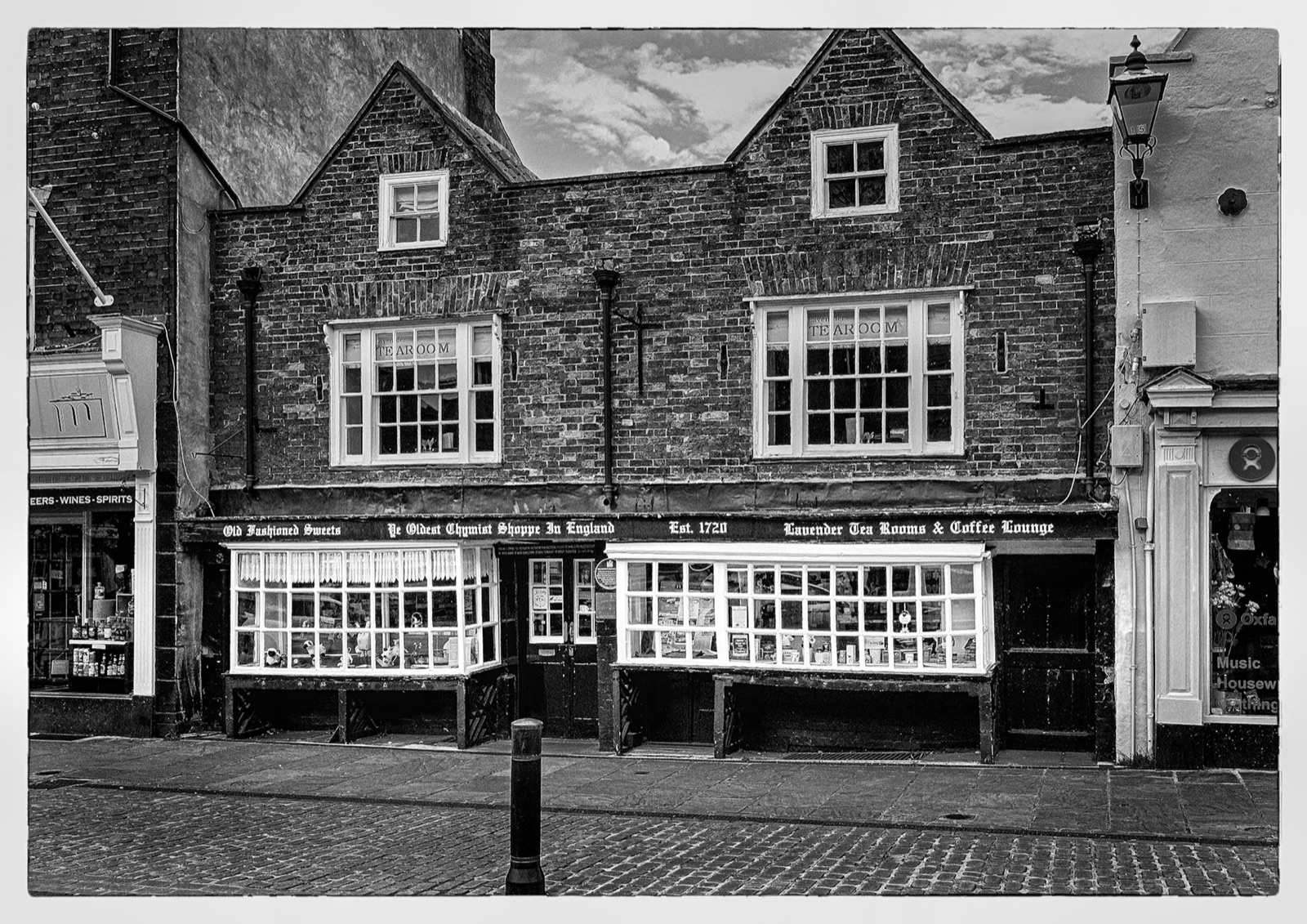
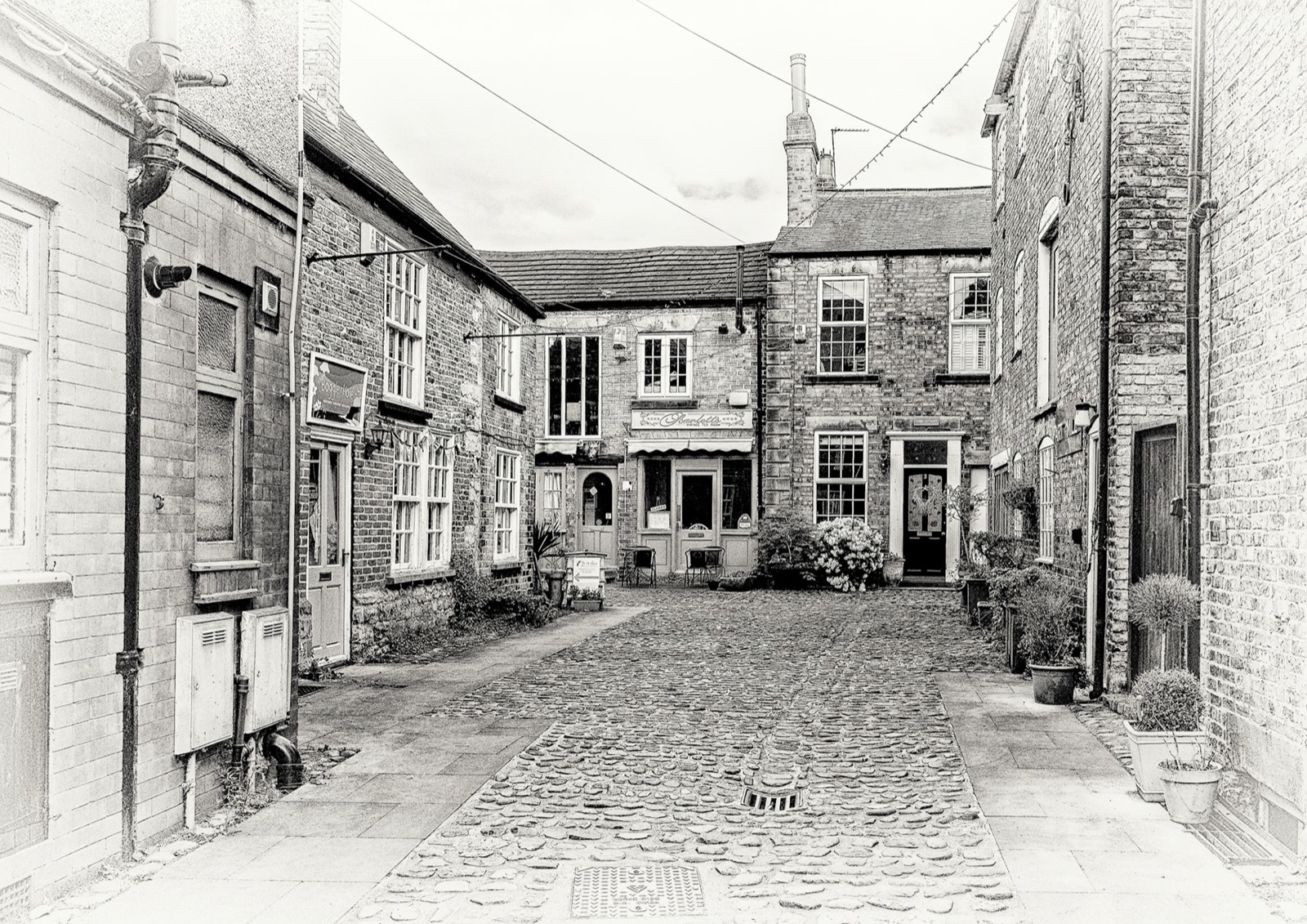
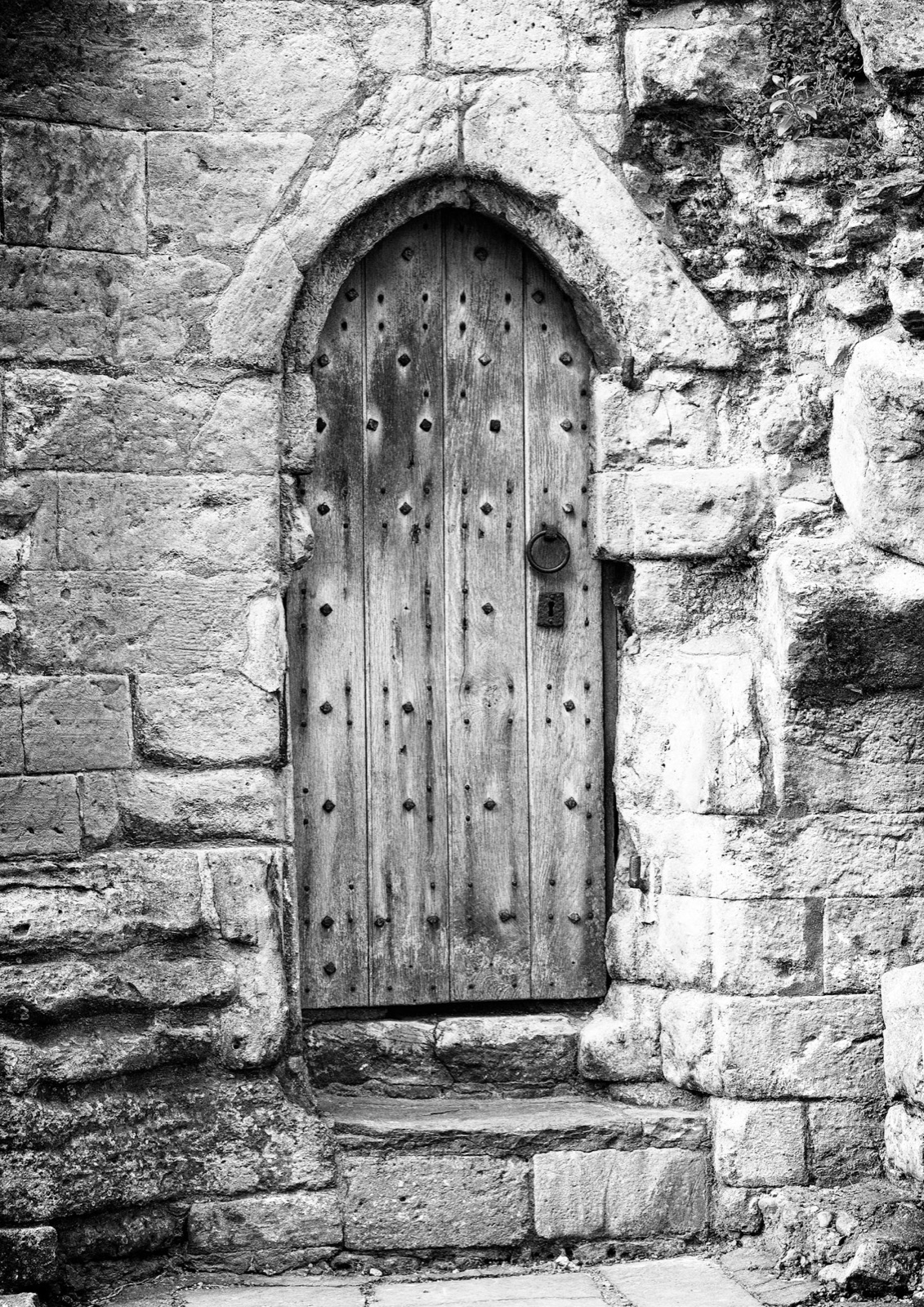
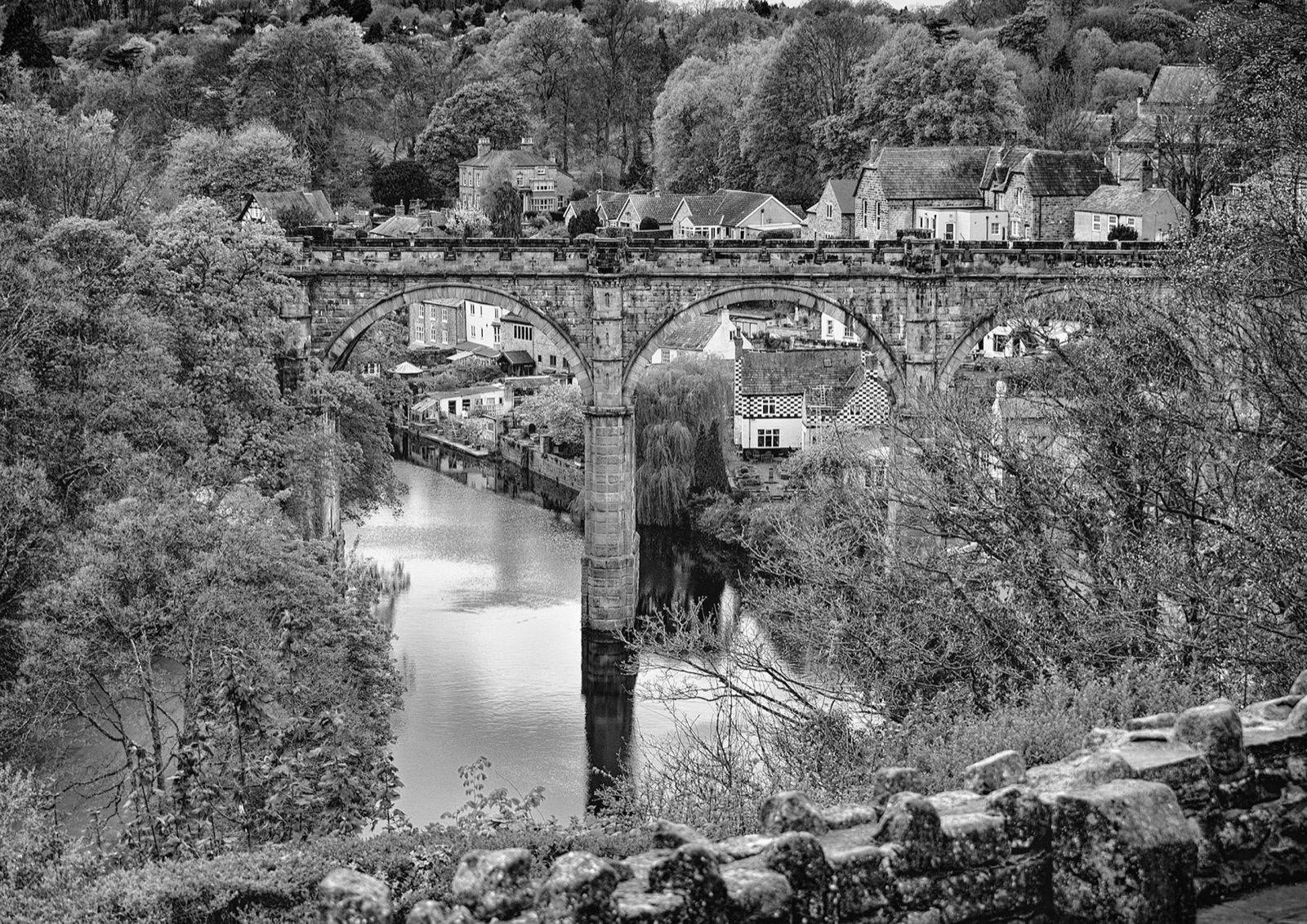
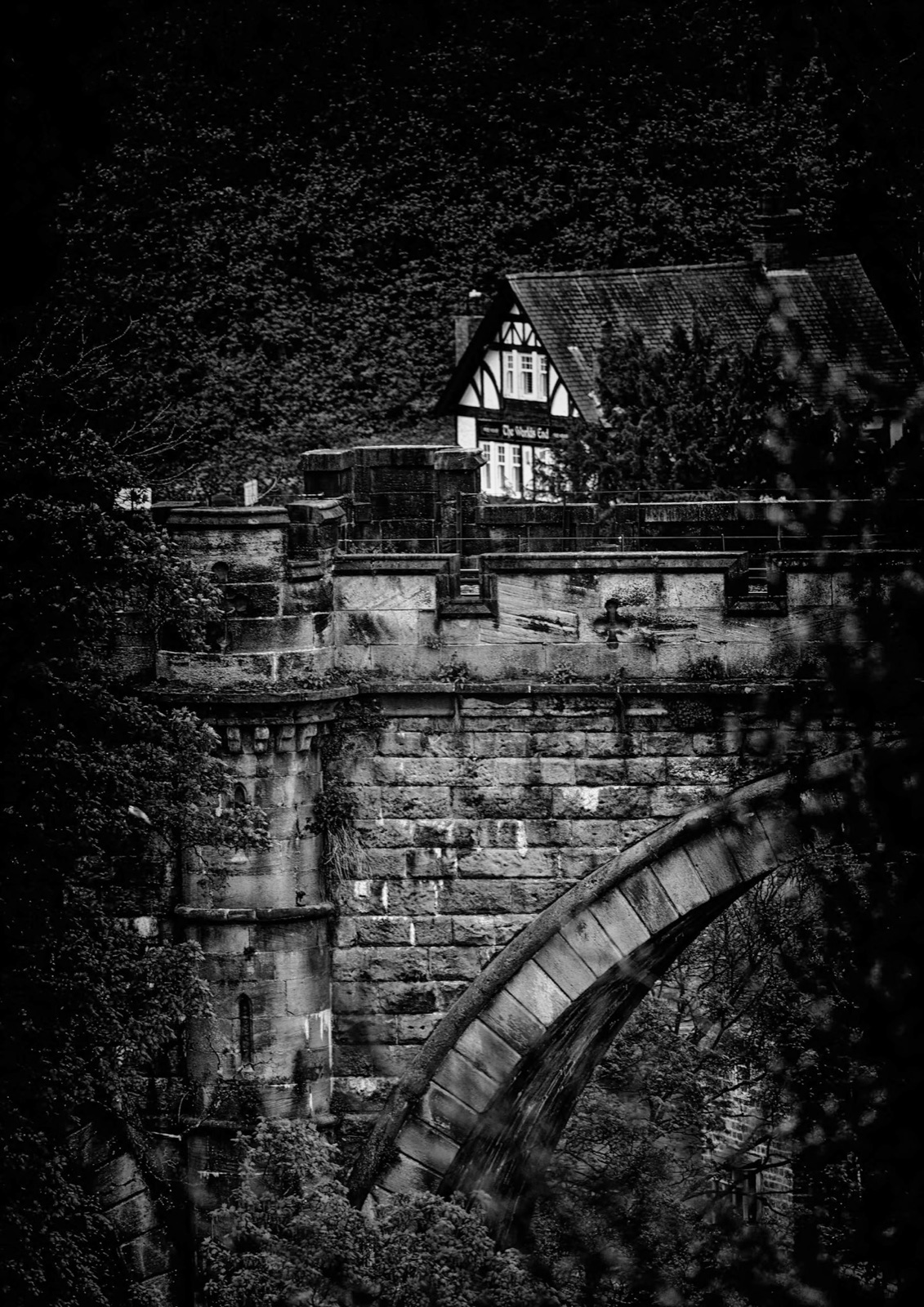
We meet outside The World's End at ten. There's usually a bit of standing about while everyone arrives — that's deliberate. Nobody starts a walk well if they've been hurried into it.
Then we set off, and we walk.
I'll talk as we go, but not at you. Mostly it's noticing out loud — the light coming through the trees on the far bank, the way the viaduct frames whatever passes under it, a face worth waiting for. When somebody sees something, we stop. That's the whole rhythm of it: walk, notice, stop, make the photograph, carry on.
At some point we'll move between the water and the town above it, because Knaresborough gives you two completely different places within ten minutes of each other. Down at the river it's slow, green, reflective. Up in the market square it's people, awnings, shopfronts and movement. Learning to switch between the two is half the education.
We finish where we started, usually a few minutes over, usually still talking.
You won't be tested on anything. There's no folder of handouts. If you want to ask why your last four hundred photographs have felt flat, this is a good two hours to ask it in.
Each session builds on the last. Come to just one if you like — but the magic is in the four. Knaresborough's river, viaduct, market, and streets give us something different every time.
Camera basics, getting comfortable on the streets, making your first real photographs in Knaresborough.
Light, framing, the decisive moment. Techniques to turn good intentions into strong images.
Approaching people. Working with what's there rather than against it. Finding your own eye.
Editing, seeing what you've made, understanding how far you've come. The edit as creative act.
Knaresborough is a gift for photographers, and most people who live nearby have stopped noticing it. The route changes with the weather and with the group, but it's usually some of this.
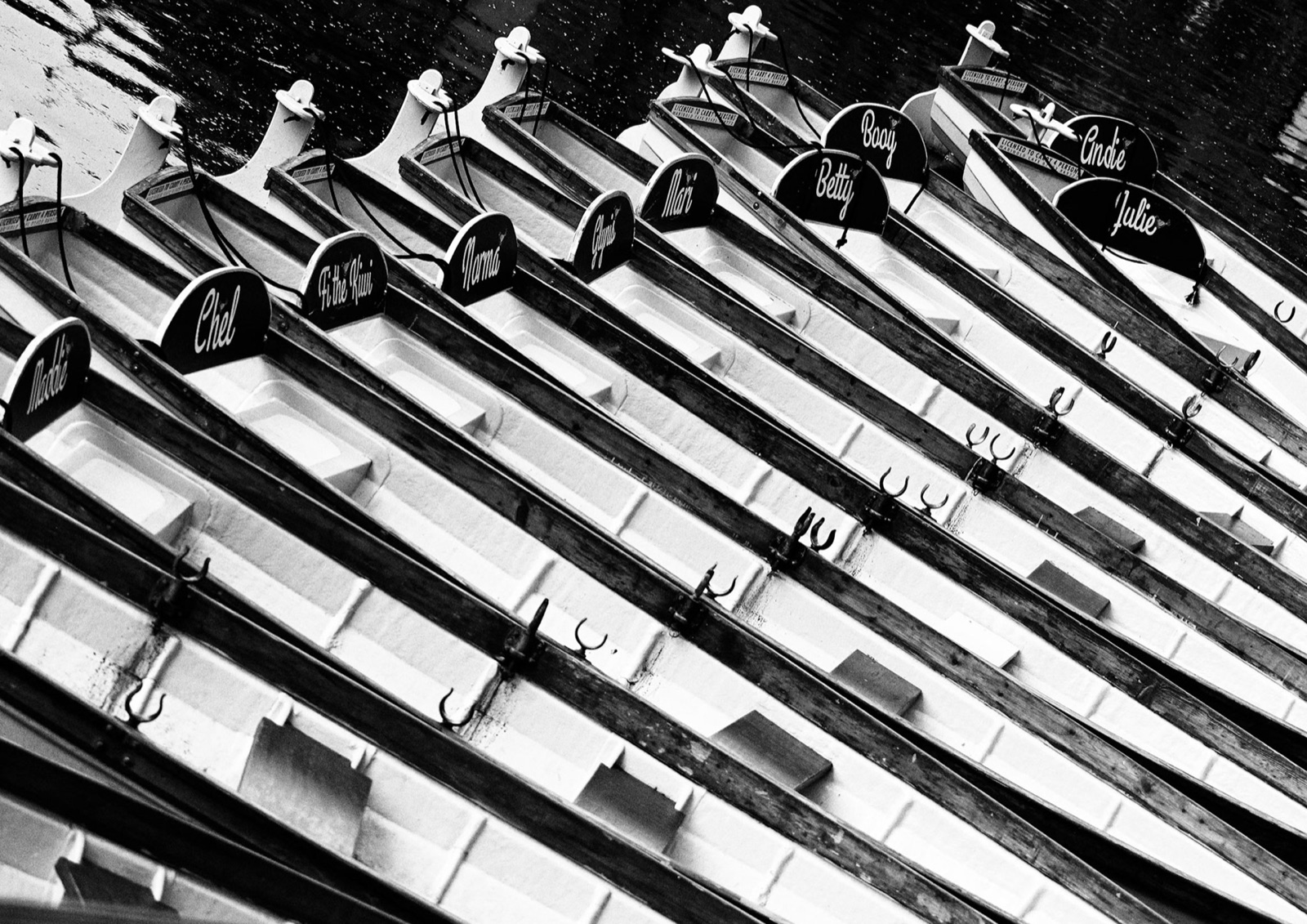
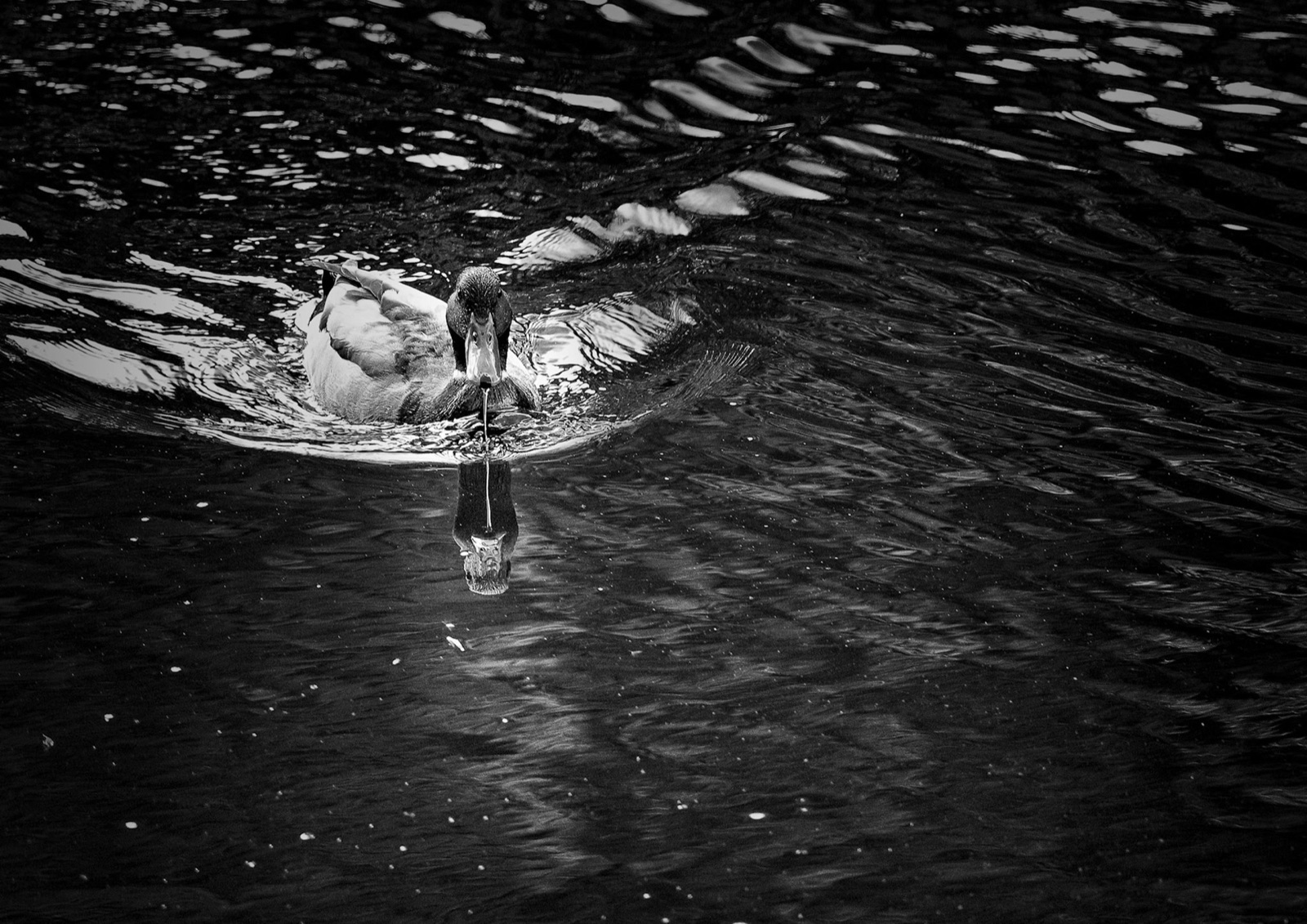
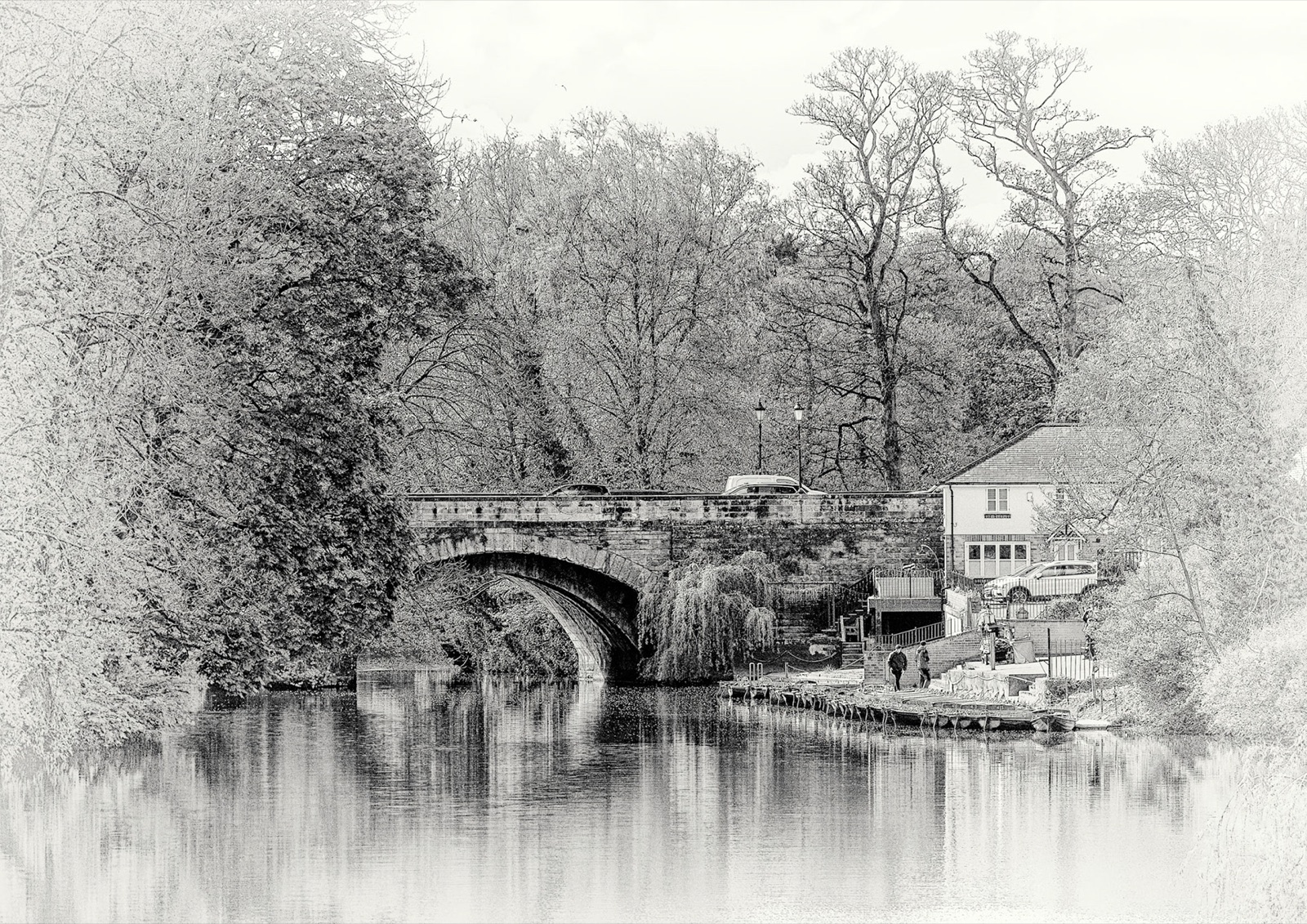
The Nidd runs through a gorge here, and the light on the water changes completely with the hour and the weather. Rowing boats in summer, mist in autumn. The gentlest place to start if you're nervous about pointing a camera at anything.
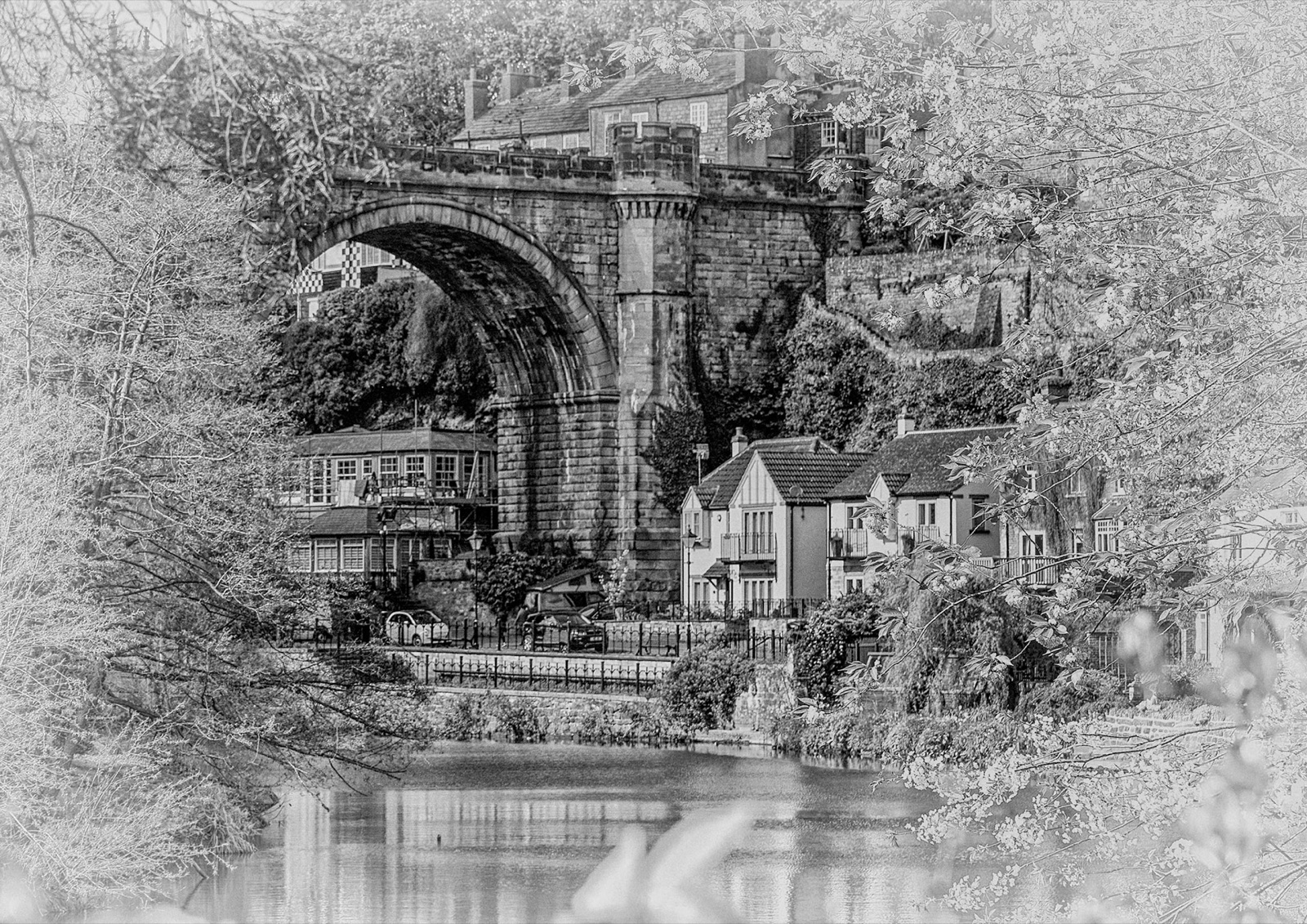
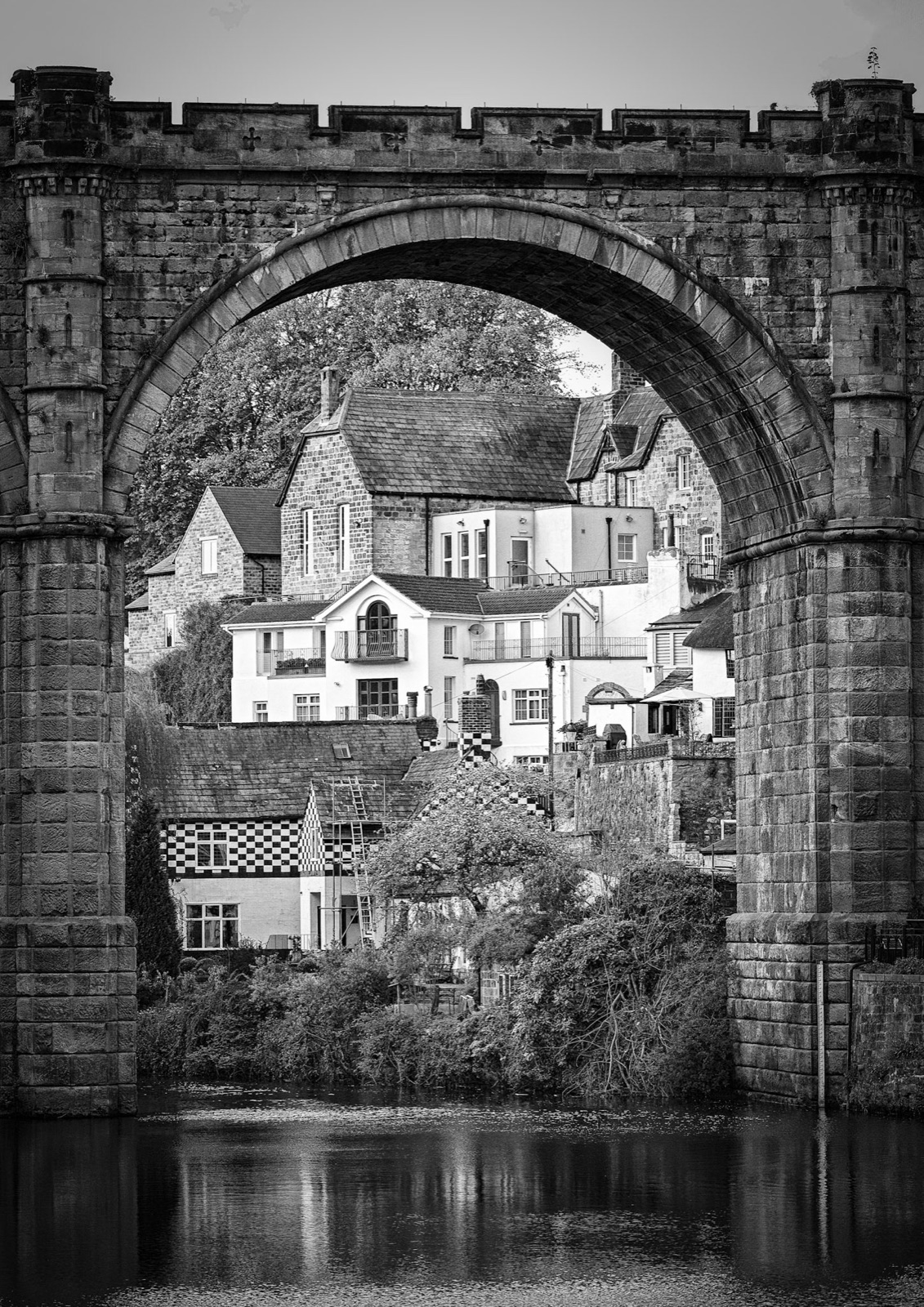
The obvious shot, and everybody takes it. We'll take it too — then spend a while working out what else is there. Reflections, arches, the town stacked up behind it. Finding the second photograph in a famous view is a genuine skill.
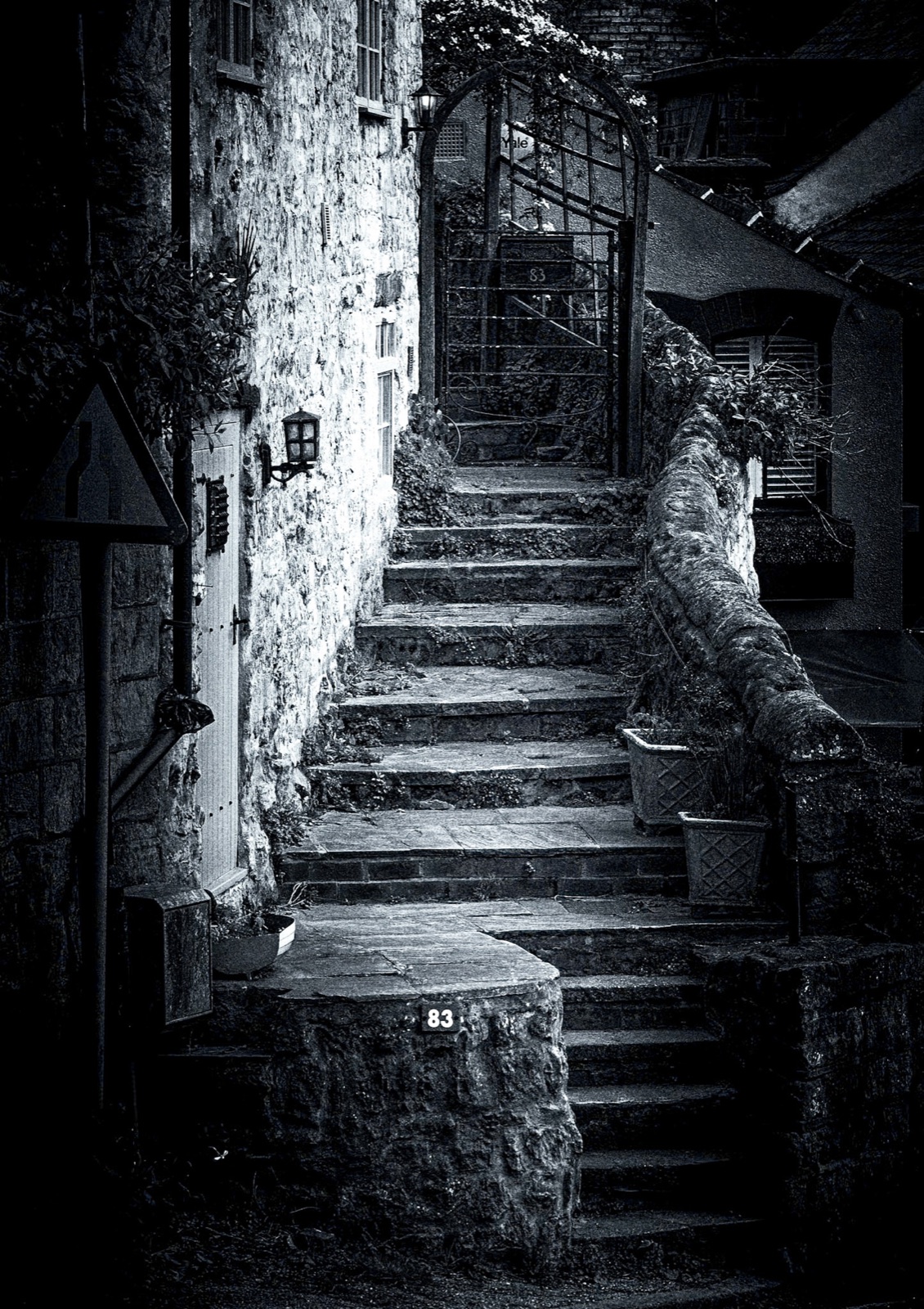
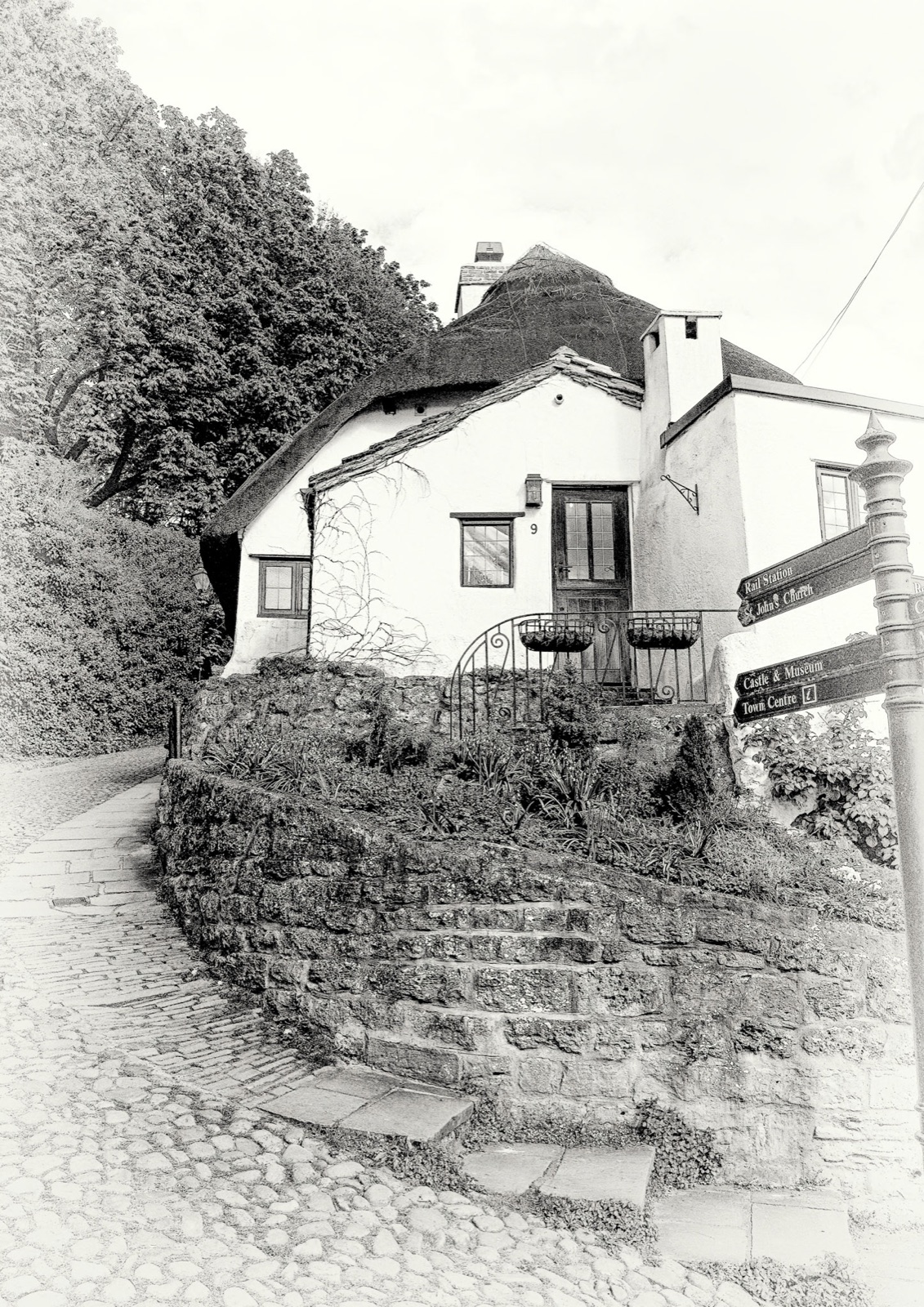
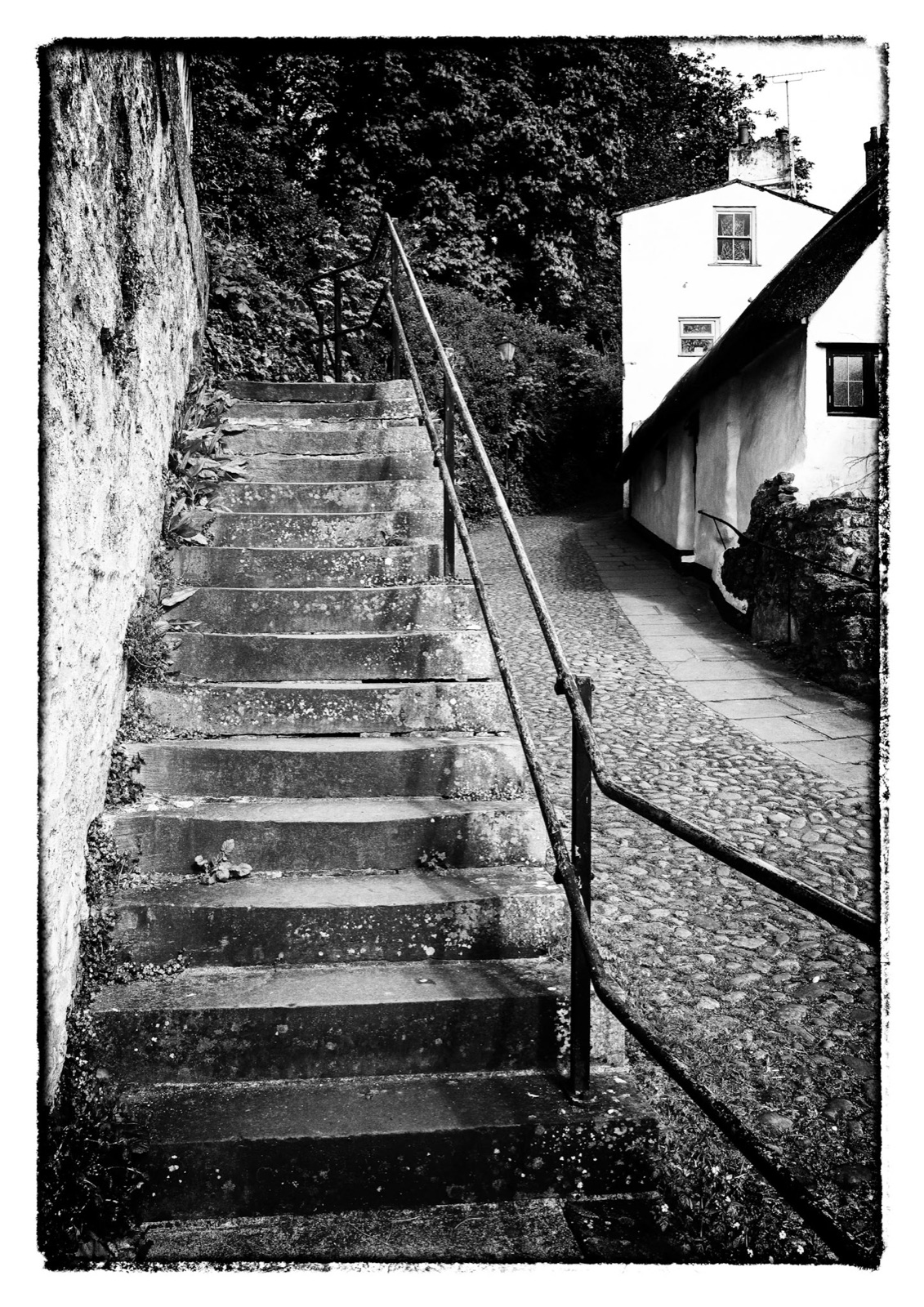
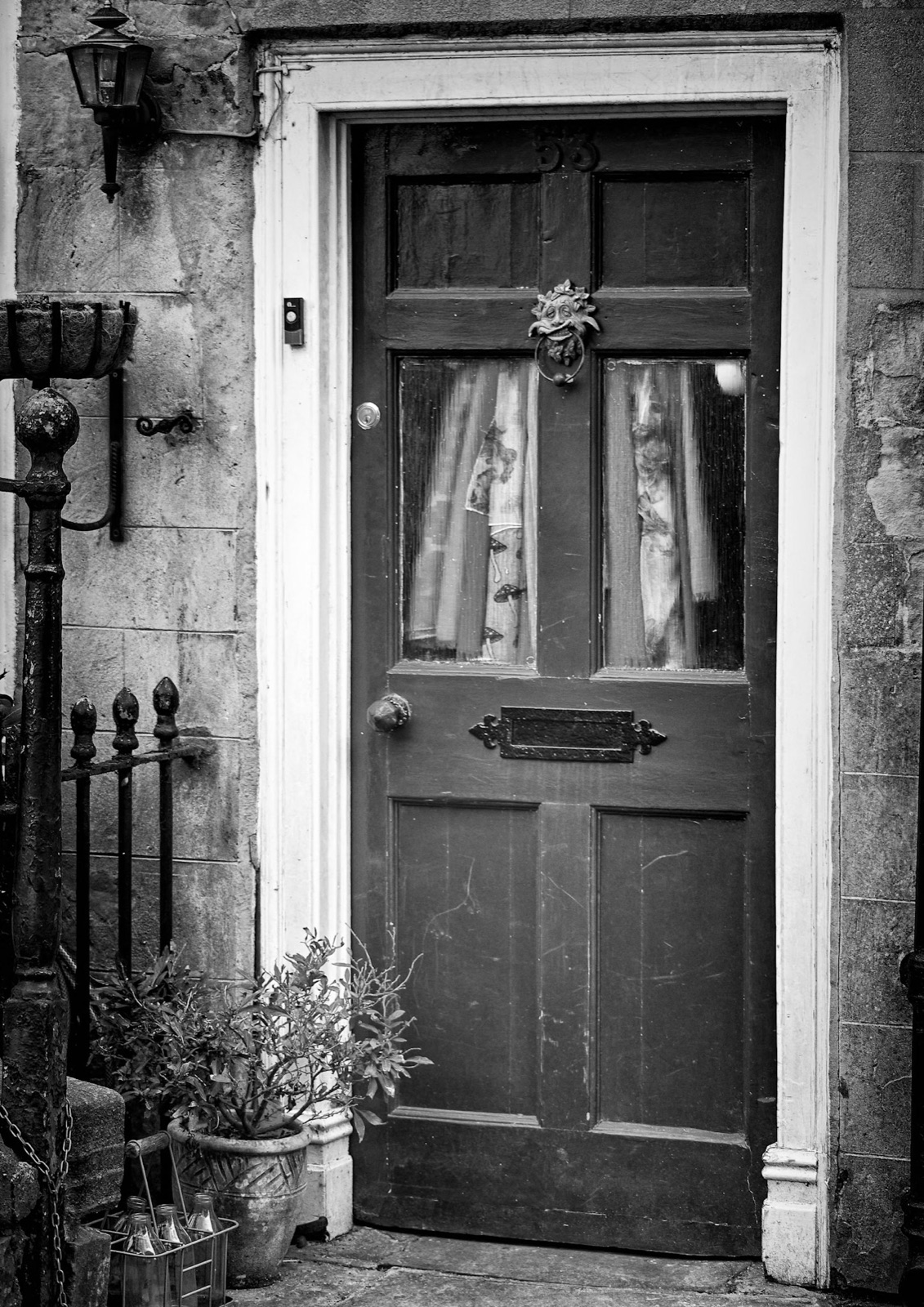
The town goes almost straight up from the river. Steps, alleyways, walls, doorways, gardens hanging off the side of the hill. Strong light and deep shade to work with.
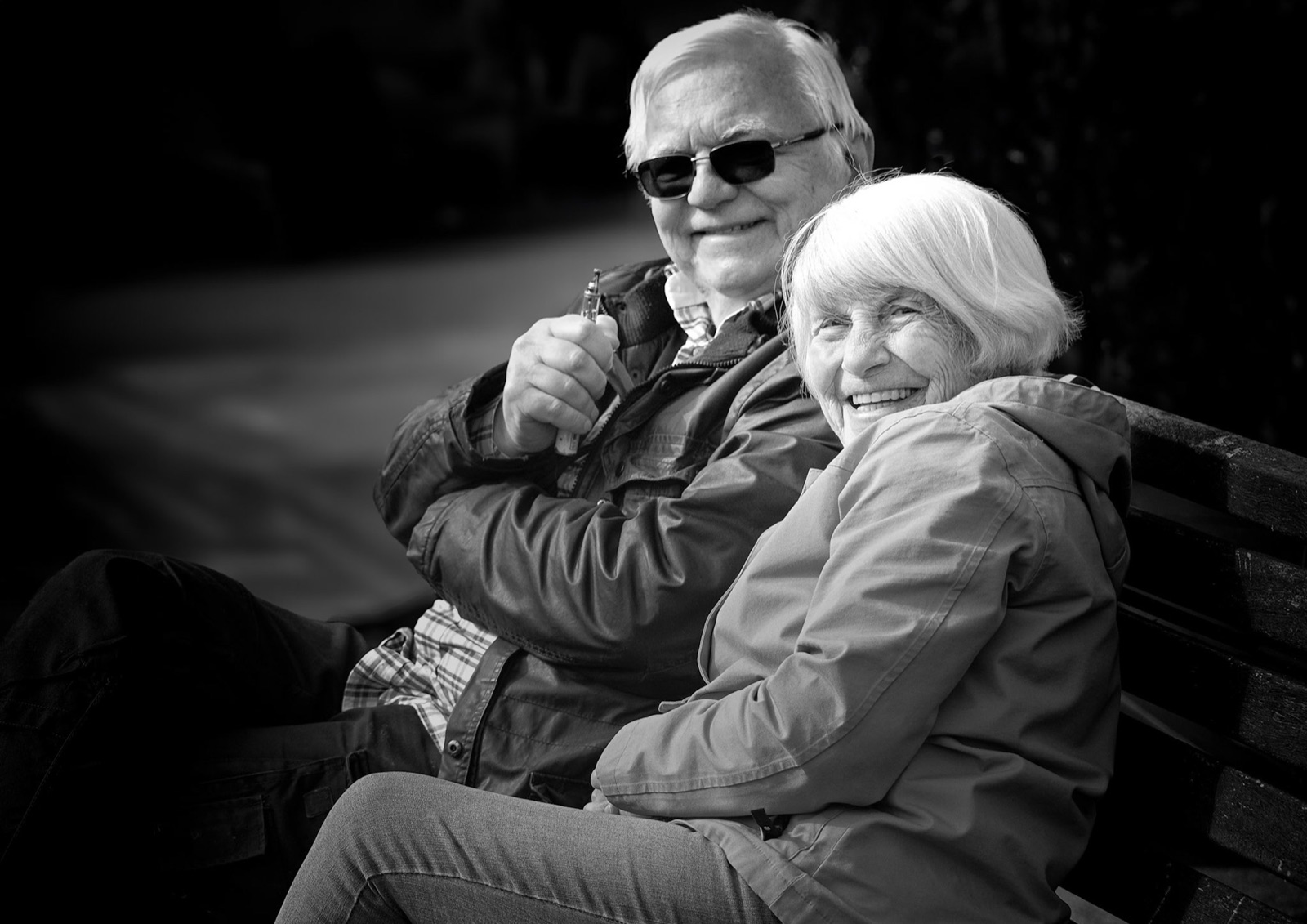
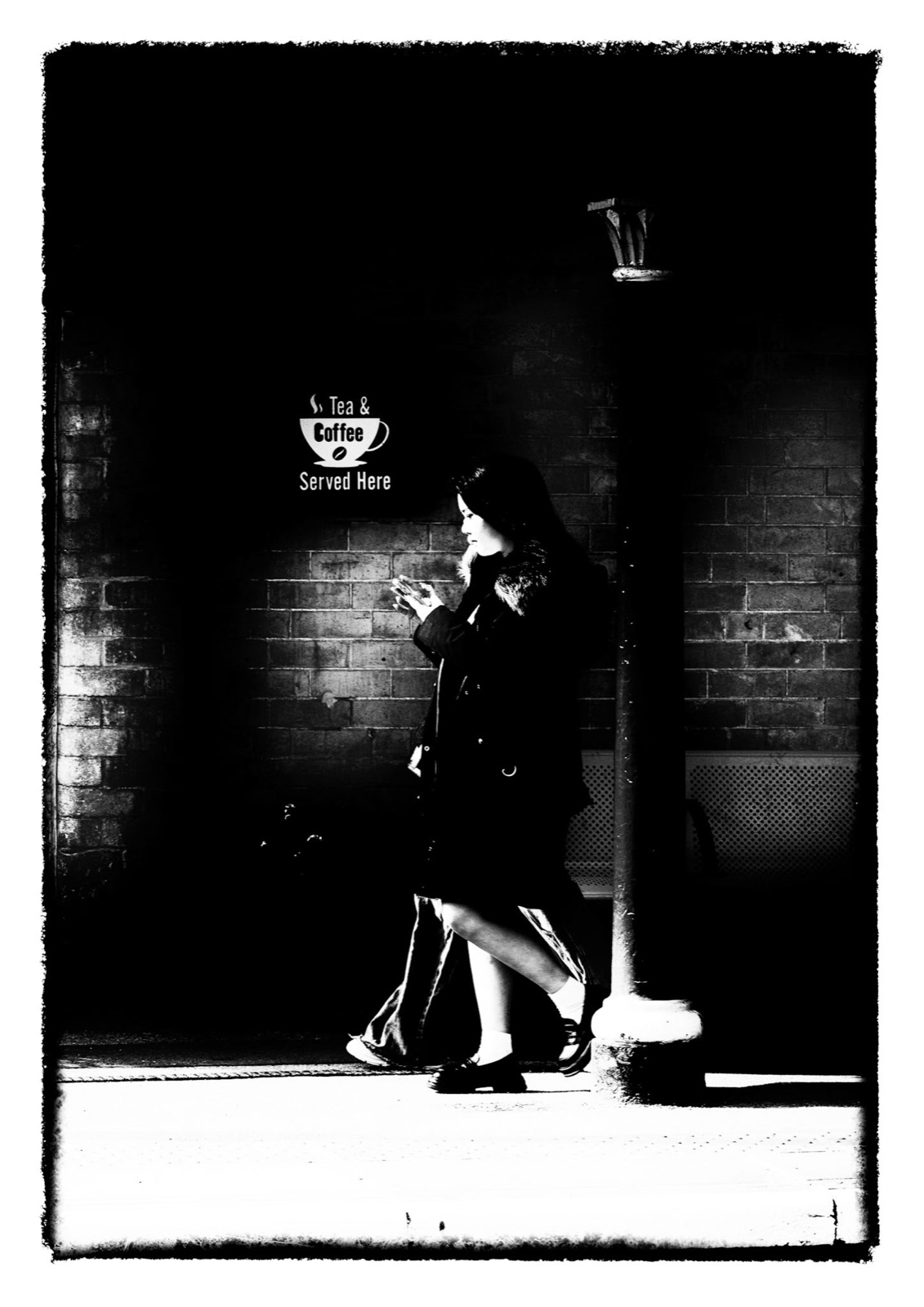
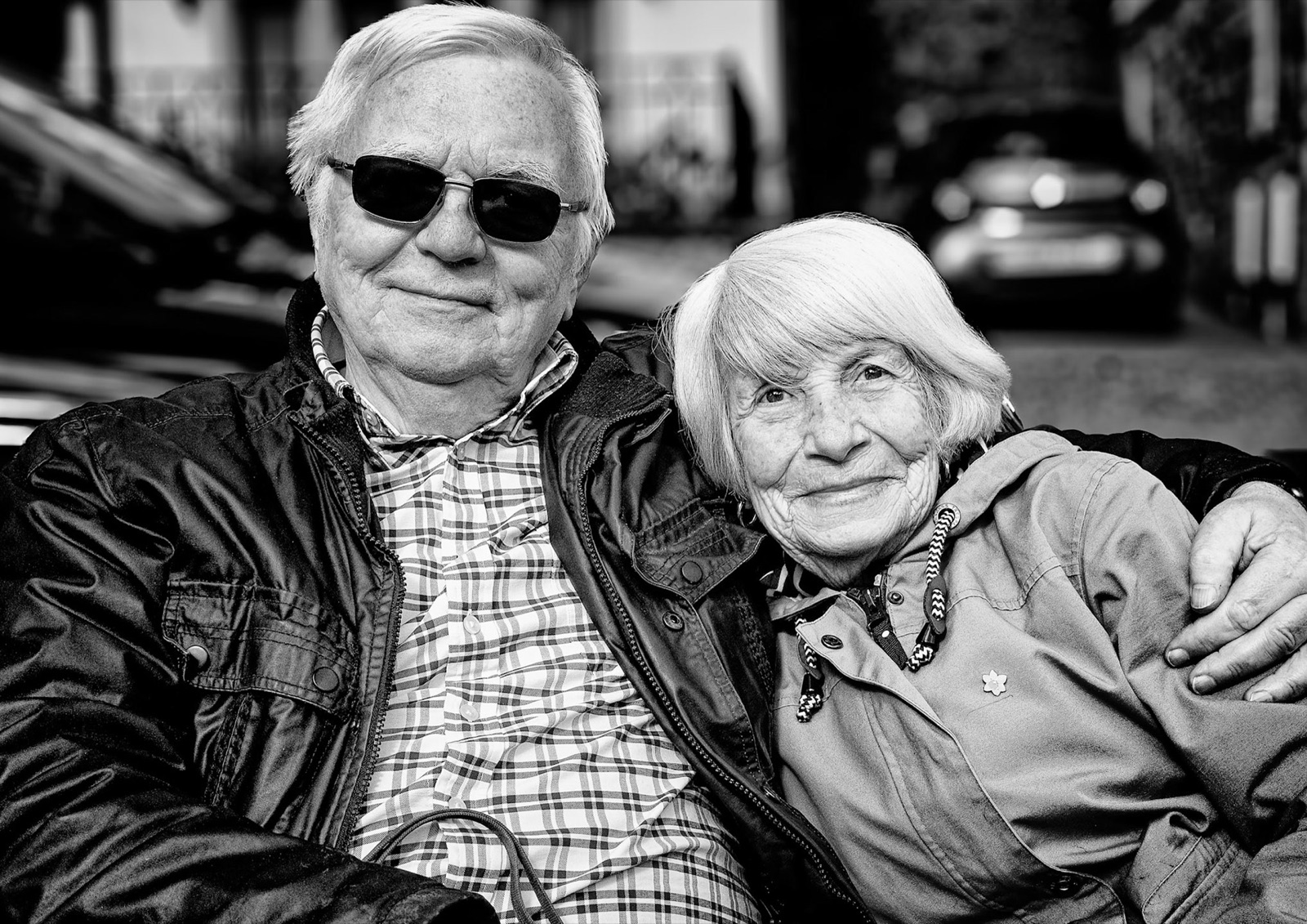
Up top the town is busy and ordinary in the best way — shoppers, market stalls on a Wednesday, people stopped for a chat. This is where street photography actually happens, and where most people find their nerve.
Open, high, and looking straight down the gorge. Somewhere to catch your breath and take the whole town in.
Any camera. A phone is genuinely fine. Most of what I teach has nothing to do with equipment — it's about where you stand, what you include, and when you press the shutter. If you own a camera that mostly sits in a drawer, this is exactly what it was bought for.
Comfortable shoes. The town is steep and there are steps. We take them slowly and we stop often, but it's worth knowing before you book. If stairs are difficult for you, tell me when you book and we'll talk it through before the day.
Whatever the sky is doing. We walk in rain. Grey days are better for photographs than bright ones, and wet pavement is the best free lighting in Yorkshire. Bring a coat.
Yourself, as you are. People arrive worried they're not good enough for the group. Nobody has been yet. There are usually complete beginners and people who've photographed for years on the same walk, and both learn something — generally from each other.
Groups are small, so you'll get proper time rather than being talked at from the front.
Photographs from Knaresborough walks — the river, the viaduct, the market squares, and the people passing through them.
The things people ask before they book.
No. Each one stands on its own and people drop in and out. They do build, though — Walk 1 gets you comfortable, and by Walk 4 you're editing work you're proud of. If you can only make one, come to whichever one you can.
No. The series is built for people starting from nothing. There's no jargon, and no question is a silly one — that isn't a politeness, it's the actual rule.
We walk anyway. Knaresborough in the wet is better than Knaresborough in the sun, and I'll show you why. Only genuinely dangerous weather stops us, and you'd hear from me the night before.
In a public place in England, yes. There's more to it than the law — courtesy, judgement, knowing when to lower the camera — and we talk about all of that as we go.
Outside The World's End in Knaresborough, at ten o'clock. Come a few minutes early if you can; we set off shortly after.
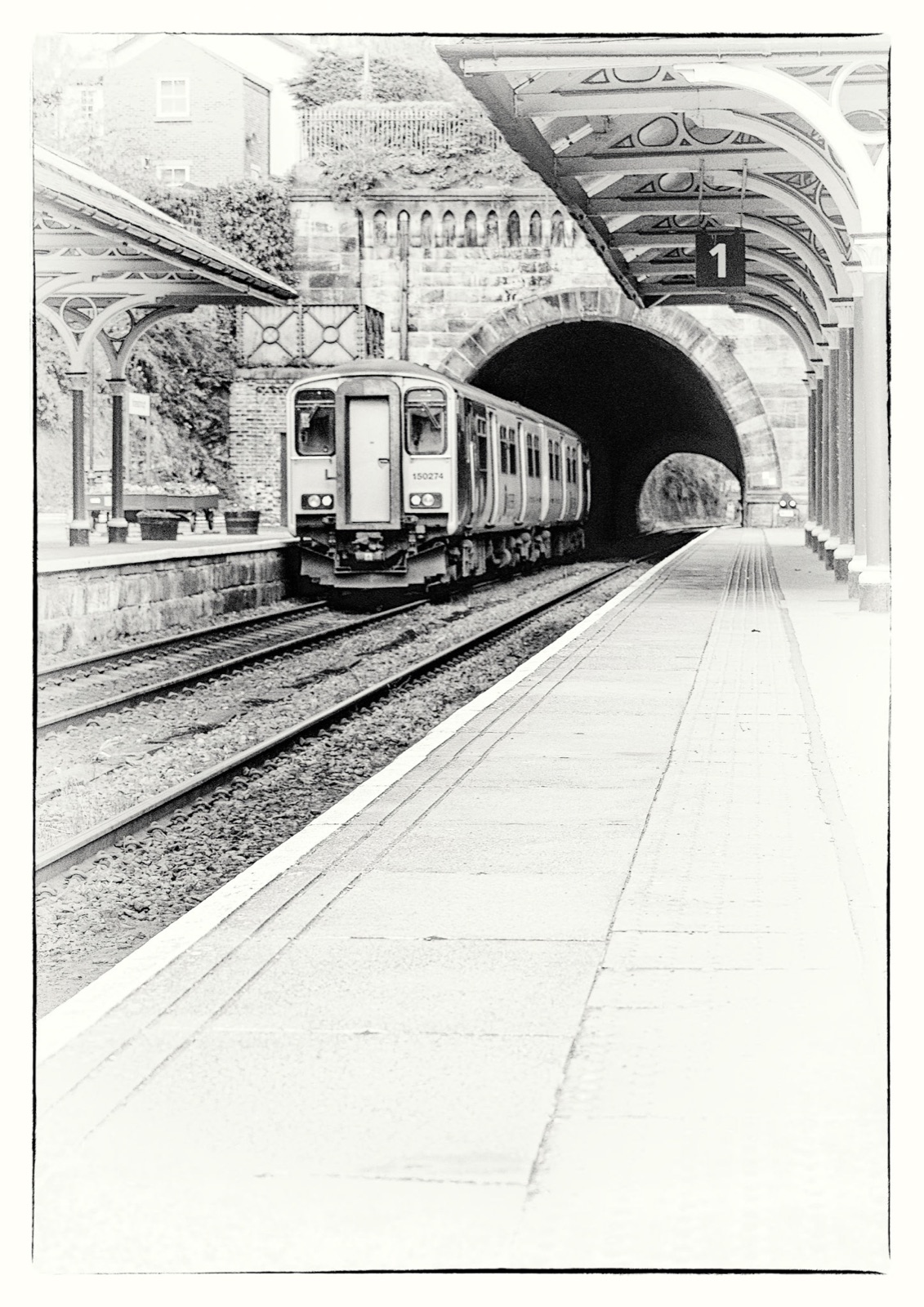
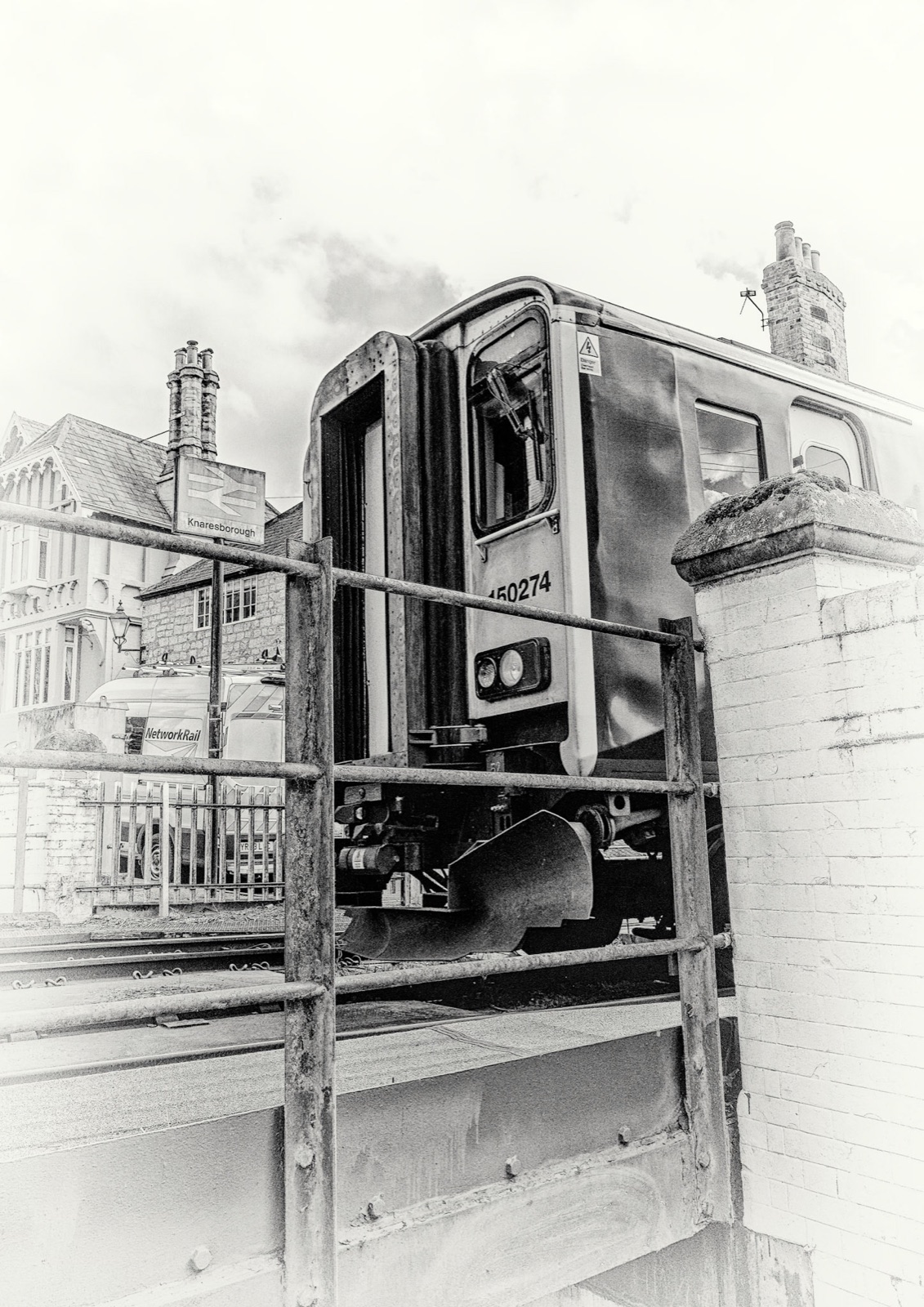
There's parking in the town and at the station, both a short walk away. Knaresborough station is about five minutes from the meeting point if you'd rather come by train.
Fit enough for a gentle two hours with hills and steps in it. We're not marching — we stop constantly, because stopping is the point.